
AA/AMPS Copolymer Supplier: Your Trusted Source for Quality Dispersants
2026-08-11
In the world of industrial water treatment and dispersion, finding a supplier that consistently delivers high-performance AA/AMPS copolymers can feel like searching for a needle in a haystack. But what if your search ended with a partner that combines technical expertise with uncompromising quality? Enter EVO, a name that stands for reliability and innovation in specialty chemicals. From preventing scale in cooling systems to optimizing pigment dispersion, the right copolymer makes all the difference—and EVO ensures you get exactly that. Ready to dive into what sets their dispersants apart? Let’s explore how their AA/AMPS solutions tackle real-world challenges with precision and consistency.
Unlocking the Power of AA/AMPS Copolymers in Industrial Water Treatment
AA/AMPS copolymers bring a unique balance of carboxyl and sulfonate groups that few other chemistries can match. In cooling towers and boilers, they latch onto hardness ions before scale can form, but what really sets them apart is their resilience in high‑salinity brines. While conventional polyacrylates falter when calcium and magnesium spike, the sulfonate moiety keeps the polymer chain extended and active, preventing the collapse that leads to stubborn deposits.
Beyond scale inhibition, these copolymers act as versatile dispersants for suspended solids and metal oxides. Iron oxide and silt that would otherwise settle on heat‑exchanger surfaces stay finely suspended in the bulk water, thanks to the electrostatic repulsion imparted by the charged polymer backbone. This dual‑action mechanism reduces the need for harsh acid cleaning and extends equipment run‑lengths in both open recirculating and once‑through systems.
Formulators are increasingly turning to AA/AMPS as a building block for multifunctional treatment packages. By adjusting the monomer ratio and molecular weight, they can fine‑tune performance for specific challenges—from silica control in geothermal brines to calcium phosphate stabilization in high‑pH cooling programs. The copolymer’s chlorine and thermal stability further widen its operating window, making it a pragmatic choice for modern water‑intensive industries aiming to cut downtime and chemical consumption without compromising asset integrity.
Key Factors to Evaluate When Sourcing AA/AMPS Copolymer Suppliers
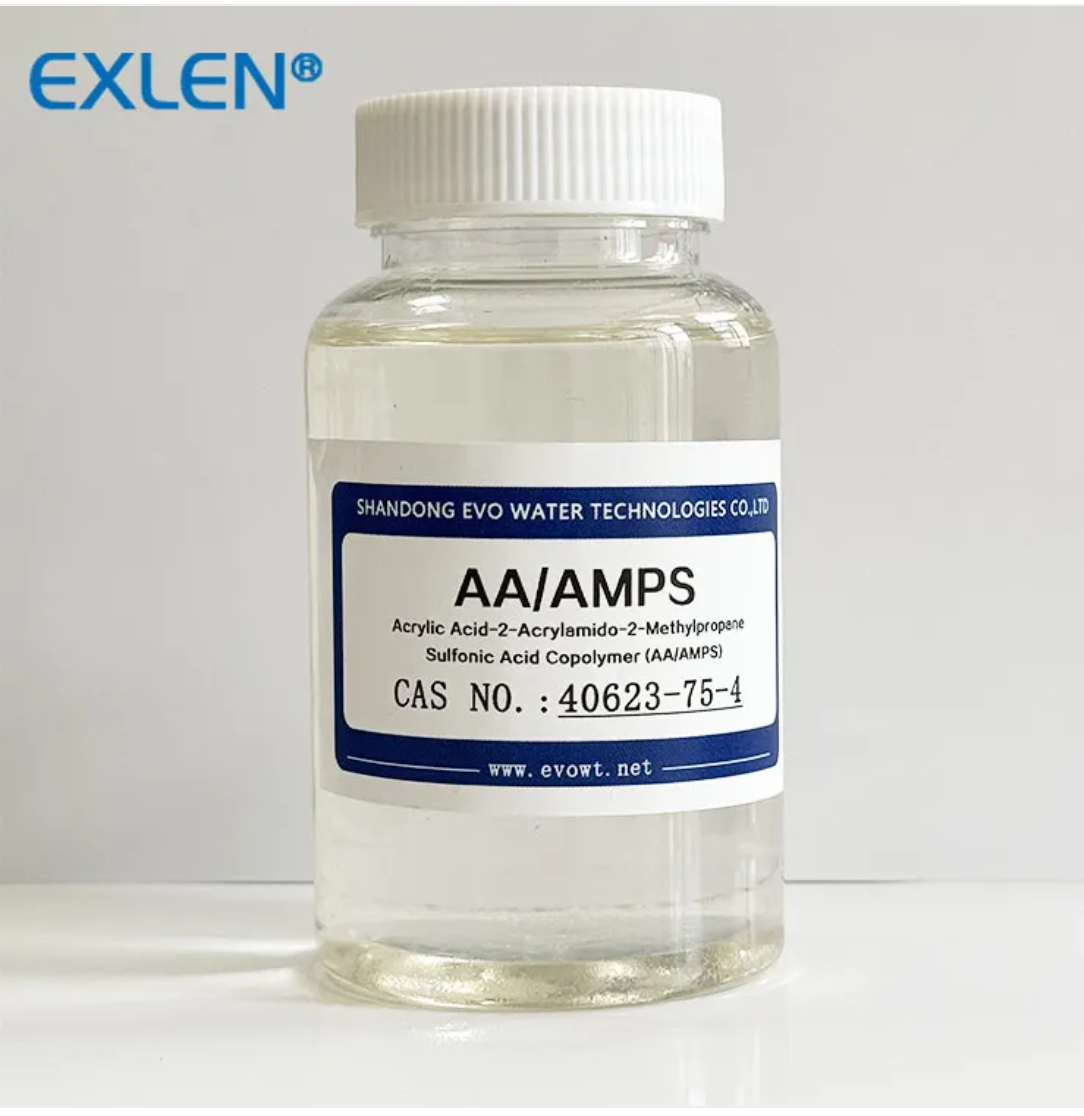
Beyond pricing and availability, the real test of an AA/AMPS copolymer supplier lies in their ability to deliver consistent performance under your specific application conditions. A batch that works flawlessly in a cooling tower might not hold up in the harsh brine of an oilfield. Ask about their polymerization control—specifically how they manage the monomer ratio and molecular weight distribution. A narrow distribution often translates to more predictable scale inhibition and dispersancy, while a supplier who tweaks these parameters for your water chemistry can save you from costly downstream failures.
Technical support is another differentiator that separates commodity vendors from true partners. You want a team that doesn’t just send a certificate of analysis but actively helps you troubleshoot when your system parameters shift. Evaluate their willingness to conduct on-site jar testing or review historical operating data—these are hallmarks of a supplier invested in your long-term success. Also, dig into their quality assurance rigor: how do they handle incoming acrylic acid and AMPS monomer purity checks? Impurities like residual inhibitors can sabotage your treatment program, and a supplier committed to upstream raw material audits will catch issues before they reach your door.
Finally, consider supply chain resilience in an industry where monomer availability can swing with petrochemical markets. A geographically diversified production footprint or strategic stockpile agreements can insulate you from force majeure events. Probe their contingency plans—do they have alternate manufacturing sites, multi-sourcing for raw materials, or transparent lead-time communication? A supplier that survived past disruptions with minimal customer impact is one you can trust when the market tightens again.
Beyond the Basics: Advanced Performance Attributes of AA/AMPS Dispersants
AA/AMPS copolymers distinguish themselves through an unusually strong resistance to calcium-induced flocculation, a property that conventional polyacrylates struggle to match. This innate tolerance stems from the sulfonate groups on the AMPS backbone, which maintain charge density even in hard-water brines or scaling conditions. As a result, these dispersants continue to suspend insoluble particles and inhibit scale at calcite saturation levels that would otherwise overwhelm simpler chemistries, making them indispensable in high-cycle cooling towers and geothermal systems.
Their thermal and hydrolytic stability opens the door to roles well beyond typical water treatment. AA/AMPS dispersants retain activity in alkaline systems above 200°C and resist oxidative breakdown from biocides or peroxide cleaning agents. This robustness translates directly into extended service life for formulations that must endure steam-blowing operations, autoclave sterilization, or aggressive CIP cycles—environments where lesser polymers degrade, form gels, or lose functionality within hours. Field data confirms that switching to sulfonated copolymers can reduce downtime and cleaning frequency in industrial heat exchangers.
Formulators often favour these dispersants because they cooperate with a wide spectrum of co-additives without competition or precipitation. They blend seamlessly with phosphonates, zinc salts, and azole corrosion inhibitors, and their low foaming tendency suits closed-loop systems and high-shear pumping. In detergent and oilfield applications, the copolymers enhance the performance of surfactants and clay stabilizers, often allowing reductions in overall chemical dosage. This versatility, combined with a favorable environmental profile—low toxicity and negligible phosphorus contribution—has pushed AA/AMPS chemistries to the forefront of sustainable process design.
Real-World Applications Where AA/AMPS Copolymers Shine
In recirculating cooling towers, these copolymers don’t just prevent scale—they actively keep calcium carbonate particles suspended long enough to be purged before they settle and form stubborn deposits. The sulfonate groups latch onto crystal nuclei, twisting their growth patterns so they never get a chance to lock onto heat exchanger surfaces. Plant operators often notice a sharp drop in cleaning cycles after switching to AA/AMPS-treated water programs.
Downwell, the challenge shifts to high-temperature, high-pressure environments where conventional additives break down. Here, AA/AMPS copolymers maintain their grip, controlling barium sulfate and calcium carbonate scale even as fluids shear through narrow perforations. Mud engineers rely on them to stabilize rheology, ensuring cuttings are carried out efficiently without risking differential sticking—a silent boost to drilling speed and borehole integrity.
Household and industrial cleaners gain an edge from the copolymer’s ability to suspend soil particles after they’re lifted from fabrics or hard surfaces. By wrapping around grime molecules, it prevents redeposition, leaving behind truly clean rinse water. This not only brightens laundry whites but also extends the life of dishwashing machines by minimizing film buildup on heating elements.
Comparing AA/AMPS Copolymers with Conventional Dispersant Options
When stacked against traditional dispersants like polyphosphates or lignosulfonates, AA/AMPS copolymers demonstrate a clear edge in high-temperature, high-hardness environments. Conventional options tend to lose effectiveness as calcium levels rise or pH drifts, often resulting in scale buildup and system fouling. The sulfonate groups in AA/AMPS provide strong calcium tolerance and thermal stability up to 200°C, maintaining dispersion far beyond the point where older chemistries fail.
Another differentiator is the copolymer’s versatility across formulations. Standard naphthalene sulfonate condensates, for instance, perform adequately in concrete but struggle in cooling water circuits due to narrow pH compatibility. AA/AMPS copolymers, with their balanced carboxylate and sulfonate functionality, deliver consistent performance from acidic to alkaline conditions, reducing the need for multiple additive packages. This broad-spectrum efficiency often translates into lower overall treatment costs despite a higher per-pound price.
Long-term operational data also highlights a significant reduction in maintenance intervals. Facilities that switched from conventional polyacrylate-based dispersants to AA/AMPS reported fewer unplanned shutdowns linked to deposit formation. The copolymer’s ability to keep particles finely divided under mechanical stress and varying shear conditions makes it a reliable backbone for modern water treatment and oilfield chemical programs.
Building a Reliable Supply Chain for Your AA/AMPS Dispersant Needs
When sourcing AA/AMPS dispersants, consistency matters as much as chemistry. A dependable supply chain isn’t just about having inventory—it’s about building partnerships with suppliers who understand the nuances of your production cycles and can respond before shortages hit the headlines. We have seen too many operations scramble when a single upstream disruption turns routine orders into costly downtime.
What sets a resilient supply chain apart is proactive communication and layered contingency planning. This means qualifying secondary raw material sources without compromising performance specs, maintaining regional buffer stocks for critical grades, and having real-time visibility into logistics milestones. It is the difference between reacting to a problem and anticipating one, something that only comes with deep industry experience and a network that spans manufacturing, warehousing, and final delivery.
Ultimately, your dispersant supplier should act as an extension of your team, adapting to seasonal demand shifts or emergency blends without missing a beat. Look for partners who offer flexible packaging, just-in-time delivery models, and technical support that goes beyond a spec sheet. When the supply chain is built on trust and transparency, you gain more than product—you gain the confidence to run your processes at full capacity, knowing your dispersant needs are covered.
FAQ
It's primarily used as a high-performance dispersant in water treatment, detergents, and oilfield applications to prevent scale and stabilize particles.
Look for suppliers with consistent product quality, technical support, and a proven track record in delivering pure, well-characterized copolymers.
Yes, it effectively controls calcium carbonate and phosphate scales, enhancing system performance and reducing maintenance.
Ensure the supplier provides certificates of analysis, consistent molecular weight distribution, and low residual monomer levels.
It blends well with phosphonates, zinc salts, and other polymers, making it versatile for custom formulations.
AA/AMPS offers superior thermal stability and calcium tolerance due to the sulfonate group, performing better in harsh conditions.
It's commonly available in 200L drums, 1000L IBCs, or bulk tankers, with flexible options depending on your logistics needs.
Many suppliers can tailor the copolymer ratio and molecular weight to meet unique performance criteria, such as high salinity or temperature.
Conclusion
Finding a dependable AA/AMPS copolymer supplier is critical for industries that rely on high-performance dispersants to keep processes efficient and equipment scale-free. These copolymers, combining acrylic acid and 2-acrylamido-2-methylpropanesulfonic acid, deliver exceptional dispersion and chelation even under harsh conditions—high calcium levels, extreme pH, and elevated temperatures—where conventional phosphonates or polyacrylates fall short. A supplier that truly understands these advanced performance attributes can help you optimize formulations, reduce total costs, and meet stringent environmental regulations. By unlocking the power of AA/AMPS copolymers in cooling water systems, boiler treatment, and reverse osmosis plants, you gain a solution that outperforms older technologies by minimizing scale and maintaining system cleanliness.
When sourcing a partner, it's not just about product purity; smart buyers evaluate consistent quality, supply chain reliability, and the supplier's ability to offer technical guidance tailored to real-world applications like oilfield water handling or detergent manufacturing. A trustworthy source ensures you get material that delivers long-term stability and seamless integration into your existing chemistries. Building that relationship means looking beyond the basics—checking batch-to-batch consistency, global delivery capabilities, and a deep portfolio of dispersants that can address niche challenges. In the end, working with a supplier who treats your success as their own makes all the difference in maintaining a resilient supply chain and achieving superior results.
Contact Us
Contact Person: Fiona Su
Email: [email protected]
Tel/WhatsApp: 8619963724144
Website: https://www.evo-chemical.com/