
Alkyl Polyglucoside: The Ultimate Guide to Understanding Its Benefits and Applications
2026-03-07
Welcome to our deep dive into Alkyl Polyglucoside (APG)—a versatile surfactant that's increasingly capturing attention in the eco-conscious world of chemistry. From personal care products to industrial applications, APG offers unique benefits that blend effectiveness with sustainability. If you're curious about how this remarkable compound can transform formulations and why it's becoming a go-to choice for innovators, you're in the right place. As a leader in cutting-edge chemical solutions, POLYKEM is dedicated to exploring and sharing insights on such groundbreaking materials. In this ultimate guide, we'll unravel the mysteries of APG, highlighting its advantages and diverse uses that make it a standout in today's market. Get ready to discover why this surfactant is more than just a trend—it's a game-changer for industries aiming to meet modern demands without compromising on performance or the planet.
A Deep Dive into Alkyl Polyglucoside's Eco-Friendly Structure
Alkyl polyglucosides (APGs), often lauded as eco-friendly surfactants, derive their sustainability from a remarkably straightforward yet effective molecular architecture. Unlike many conventional surfactants that rely on petroleum-based raw materials, APGs are synthesized through the reaction of fatty alcohols (sourced from renewable vegetable oils or coconut oil) with glucose (obtained from starch). This fusion creates a unique amphiphilic structure where the alkyl chain (the hydrophobic tail) provides the cleaning and foaming properties, while the polyglucoside head group (the hydrophilic part) ensures excellent water solubility and mildness. What sets this structure apart is its inherent biodegradability; both components break down readily in the environment, leaving behind no persistent or toxic residues, which starkly contrasts with many synthetic alternatives that can linger in ecosystems.
Beyond mere biodegradability, the eco-friendliness of APGs is further amplified by their non-toxic nature and reduced environmental impact during production. The manufacturing process typically employs green chemistry principles, such as using mild reaction conditions and avoiding harsh catalysts or solvents, which minimizes waste and energy consumption. Structurally, the sugar-based head group of APGs contributes to their high compatibility with biological systems, making them gentle on skin and aquatic life. This contrasts sharply with surfactants containing aromatic rings or complex synthetic groups that can be irritants or bioaccumulative. The molecular design also allows APGs to function effectively at lower concentrations, reducing the overall chemical load released into waterways and enhancing their lifecycle sustainability.
In practical applications, the structural advantages of APGs translate into versatile performance without compromising environmental integrity. Their amphiphilic nature enables them to stabilize emulsions, reduce surface tension, and enhance wetting in products ranging from household cleaners to personal care items, all while maintaining a low ecological footprint. Unlike some green alternatives that sacrifice efficacy, APGs often outperform in mildness and compatibility with other ingredients, thanks to their natural sugar backbone. This structural harmony not only fosters innovation in product formulations but also supports broader sustainability goals, positioning APGs as a forward-thinking choice in an industry increasingly focused on reducing chemical hazards and promoting circular economy principles.
Unlocking the Benefits of Alkyl Polyglucoside in Personal Care
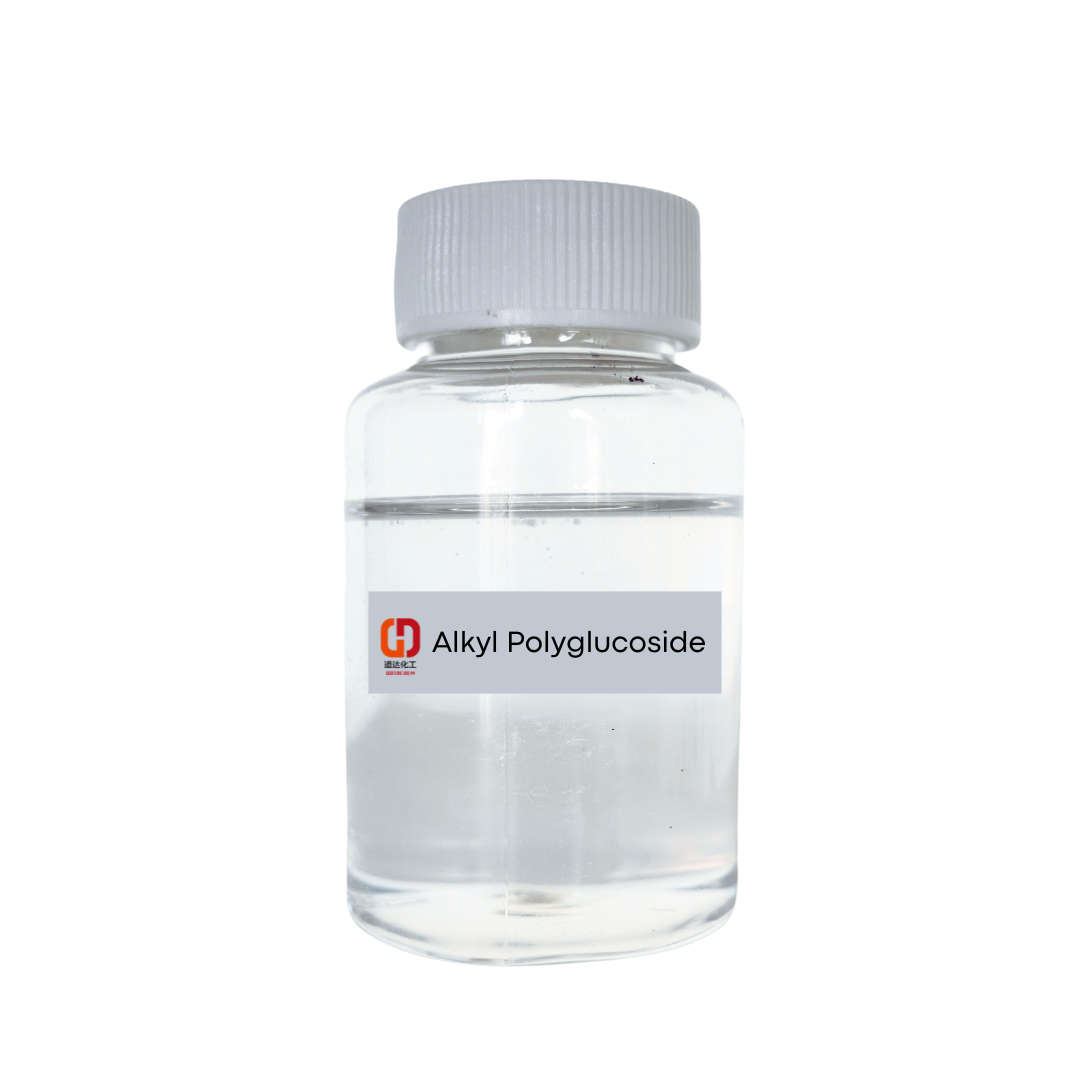
Alkyl polyglucoside (APG) is emerging as a key ingredient in the personal care industry, offering unique advantages that set it apart from traditional surfactants. Derived from renewable resources like corn and coconut, APG provides a gentle yet effective cleansing experience without compromising on performance. Its mild nature makes it ideal for sensitive skin formulations, reducing the risk of irritation and dryness commonly associated with harsher ingredients. By incorporating APG into products like shampoos, body washes, and facial cleansers, brands can tap into consumer demand for more sustainable and skin-friendly options.
One of the standout benefits of APG is its versatility in various personal care applications, enhancing both functionality and user experience. In addition to its cleansing properties, APG improves foam quality and texture, creating a luxurious feel that appeals to discerning customers. It also acts as a solubilizer, helping to blend essential oils and active ingredients seamlessly into formulations. This multifunctionality not only simplifies product development but also allows for innovation in creating multifunctional items, such as moisturizing cleansers or color-safe shampoos, giving companies a competitive edge in a crowded market.
Beyond its practical uses, the adoption of APG aligns with broader trends towards eco-conscious beauty, making it a strategic choice for forward-thinking brands. Its biodegradability and low environmental impact resonate with consumers who prioritize sustainability, offering a clear marketing advantage. Moreover, APG's compatibility with other natural ingredients fosters the creation of holistic and ethical product lines. By leveraging APG, personal care manufacturers can deliver high-performance solutions that meet evolving expectations for safety, efficacy, and environmental responsibility, unlocking new opportunities for growth and differentiation.
Exploring Alkyl Polyglucoside's Versatile Industrial Applications
Alkyl polyglucosides stand out as a prime example of green chemistry in action, showcasing how renewable resources like corn and coconut can drive innovation across various sectors. These non-ionic surfactants, derived from natural sugars and fatty alcohols, have carved a niche in industries where sustainability and performance must go hand-in-hand. Their ability to biodegrade quickly and reduce environmental impact makes them a go-to choice for companies looking to meet stricter regulatory standards while maintaining product efficacy.
In the cleaning and personal care industries, alkyl polyglucosides offer a gentle yet effective alternative to traditional surfactants. They excel in formulations that require mildness, such as baby shampoos or sensitive skin cleansers, without compromising on foaming or cleaning power. This versatility extends to hard surface cleaners and detergents, where they help cut through grease and dirt while being safe for aquatic life upon disposal. Unlike many synthetic options, these compounds avoid skin irritation and allergen concerns, appealing to health-conscious consumers.
Beyond household products, their applications span agriculture, textiles, and even niche areas like oil recovery. In agriculture, alkyl polyglucosides serve as eco-friendly adjuvants in pesticides, enhancing spray coverage and absorption without harming crops or soil. Textile manufacturers leverage their properties for dyeing and finishing processes, ensuring consistent results with minimal environmental footprint. This adaptability highlights how a single green ingredient can transform practices across diverse fields, paving the way for more sustainable industrial solutions.
Safety and Biodegradability: Why Alkyl Polyglucoside Stands Out
In a world increasingly concerned with environmental impact, alkyl polyglucoside (APG) shines as a surfactant that prioritizes both safety and biodegradability. Derived from renewable resources like corn or coconut, APG offers a gentle alternative to traditional chemical surfactants, making it a standout choice in industries ranging from personal care to household cleaning. Its natural origin not only reduces reliance on petrochemicals but also ensures a low toxicity profile, which minimizes risks to human health and aquatic life.
Unlike many synthetic surfactants that linger in ecosystems, APG undergoes rapid and complete biodegradation, breaking down into harmless byproducts that don't accumulate in soil or water. This quick decomposition process helps prevent long-term pollution, aligning with global sustainability goals and regulatory standards that demand eco-friendly formulations. As consumers become more eco-conscious, APG's ability to deliver effective cleansing while leaving a minimal environmental footprint sets it apart in the market.
Moreover, APG's safety extends beyond biodegradability, with studies showing it is non-irritating and hypoallergenic, making it suitable for sensitive skin applications. Its versatility allows for use in everything from baby shampoos to industrial cleaners, without compromising performance. As industries seek greener solutions, APG stands out not just as a trend but as a reliable, future-proof ingredient that balances efficacy with responsibility.
Innovative Formulations Using Alkyl Polyglucoside in Daily Products
Alkyl polyglucoside is transforming everyday product formulations by offering a natural and sustainable alternative to traditional surfactants. Derived from renewable resources like corn or coconut oil, these ingredients not only enhance cleaning performance but also reduce environmental impact, making them ideal for eco-conscious consumers seeking greener solutions in their daily routines without compromising on efficacy.
In personal care items such as shampoos and body washes, alkyl polyglucoside provides gentle cleansing without stripping the skin or hair of essential moisture. Its compatibility with various skin types, including sensitive ones, sets it apart from harsher synthetic counterparts, allowing manufacturers to create products that deliver both mildness and deep cleansing in a single formula, catering to a growing demand for gentle yet effective hygiene options.
Beyond personal care, innovative applications extend to household cleaning products like detergents and surface cleaners, where alkyl polyglucoside's biodegradability and low toxicity make it a standout choice. This versatility enables the development of formulations that perform robustly in removing dirt and stains while being safe for use around children and pets, positioning it as a key ingredient for advancing sustainable home care practices in modern lifestyles.
Practical Tips for Maximizing Alkyl Polyglucoside's Effectiveness
To get the most out of alkyl polyglucoside, start by tailoring its concentration to your specific application. For instance, in cleaning products, a slightly higher dose might enhance grease removal without compromising mildness, while in cosmetics, a lower concentration often suffices for gentle cleansing. Testing in small batches helps find that sweet spot where performance peaks without waste.
Pay close attention to water hardness and pH levels, as these factors can significantly influence alkyl polyglucoside's behavior. In hard water, it tends to maintain good foaming and cleaning properties better than many surfactants, but adjusting the formula with chelating agents can further stabilize its action. Keeping the pH neutral to slightly acidic usually optimizes its biodegradability and skin compatibility.
Combine alkyl polyglucoside with complementary ingredients like co-surfactants or thickeners to boost its efficacy. For example, pairing it with betaine can improve foam quality and mildness, while adding natural gums might enhance viscosity for better product feel. This synergy allows for customized solutions that outperform single-component systems in diverse settings.
FAQ
Alkyl Polyglucoside is a surfactant derived from renewable resources like corn starch and coconut oil, making it a biodegradable and eco-friendly option in various industries.
It enhances hair care formulations by providing gentle cleansing without stripping natural oils, which helps maintain moisture and improve hair texture, especially for sensitive or dry hair types.
This surfactant is commonly added to household cleaners for its effective grease-cutting properties and ability to foam well, while being safe for use around children and pets due to its low toxicity.
Its non-irritating nature and compatibility with skin make it a popular choice in cosmetics, often used in facial cleansers and lotions to provide a smooth, hydrating feel without causing redness or dryness.
Yes, it's utilized in agricultural applications as a wetting agent or emulsifier in pesticides and fertilizers, helping improve coverage and absorption on plant surfaces while reducing environmental impact.
Alkyl Polyglucoside boasts a superior environmental profile, as it breaks down quickly in nature and has minimal aquatic toxicity, unlike many synthetic alternatives that can persist and harm ecosystems.
Conclusion
This comprehensive guide to Alkyl Polyglucoside (APG) reveals it as much more than a typical surfactant. At its core, APG boasts an eco-friendly structure derived from renewable resources like corn starch and coconut oil, making it inherently biodegradable. This foundational green chemistry not only sets it apart but directly contributes to its standout safety profile. It is renowned for being mild on the skin and gentle on the environment, offering a powerful alternative to harsher synthetic agents. The compound's unique molecular design, which balances hydrophilic and lipophilic properties, is the secret behind its versatility and effectiveness across a surprising range of uses.
The applications of Alkyl Polyglucoside are impressively broad, extending from everyday personal care to demanding industrial settings. In shampoos, facial cleansers, and baby products, it provides excellent cleansing and foaming without causing irritation. Beyond the bathroom, its utility shines in industrial cleaners, agrochemical formulations, and even in textile processing. To maximize its benefits in any formulation, practical considerations like pH stability and compatibility with other ingredients are key. Ultimately, APG represents a forward-thinking choice for formulators, enabling innovative products that deliver high performance while aligning with growing consumer demand for safer, sustainable ingredients that don't compromise on results.
Contact Us
Contact Person: Levi
Email: [email protected]
Tel/WhatsApp: +86 532 84688720
Website: https://www.polykem-intl.com