

Best China Cast Iron Sprockets for Reliable Power Transmission
2026-11-21
Power transmission failures often trace back to one overlooked part: the sprocket. If you're sourcing cast iron sprockets from China, the challenge isn't finding a supplier—it's finding one that delivers consistent tooth profiles, clean casting, and dependable torque transfer. Raydafon focuses on exactly that, offering sprockets built for real operating conditions instead of just catalog specs. Here's what to consider before your next purchase.
Foundry Practices That Separate Durable Sprockets from Fragile Ones
Most sprocket failures can be traced back to decisions made long before machining. A foundry that pours at a tightly controlled temperature and uses filtered metal avoids the micro-shrinkage and slag inclusions that quietly turn a tooth root into a crack initiation site.
Mold design matters just as much as chemistry. Gates and risers placed to feed the heavy rim section prevent porosity from collecting near the keyway and tooth flanks. Some shops treat sprockets like generic discs; the ones that last are cast with directional solidification in mind.
Post-cast cooling is another tell. Forced air or water quenching may speed up output, but uneven contraction locks in residual stress. A slow, controlled cool in the mold or in an insulating medium lets the part arrive at the machine shop with a grain structure that can actually handle shock loading.
Tooth Profile Machining That Keeps Power Delivery Steady
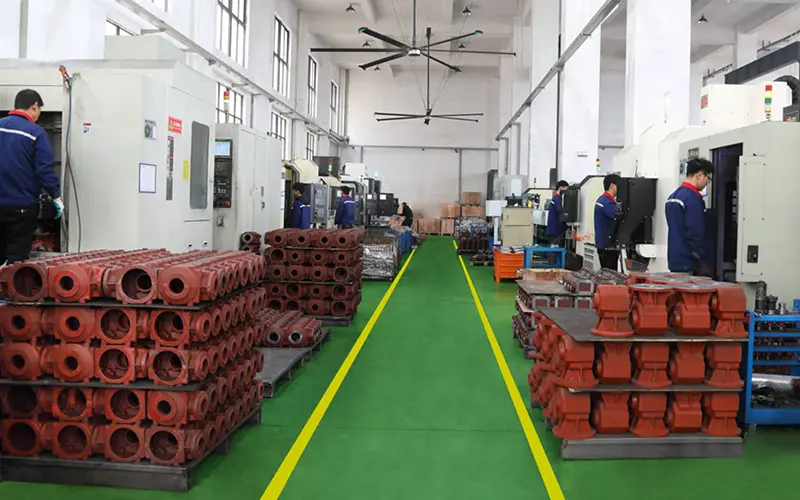
Subtle deviations in flank geometry often show up first as a faint whine under load or a slight hitch in rotation. Tooth profile machining targets those deviations directly, adjusting the contact path so torque flows through the mesh without the usual micro-fluctuations. When the involute is cut and finished to hold its shape within a few microns, each tooth pair hands off load more gradually, which keeps output speed from stuttering under changing torque.
The real difference comes from controlling crowning and root relief rather than relying on a standard template. Shops that map the actual deflection of the gear blank and compensate for it during grinding or skiving can remove the edge loading that causes rough spots in rotation. The result is a drivetrain that doesn’t just test smooth on a fixture, but stays steady after heat, mounting stress, and hours of operation have had their say.
Heat, Friction, and the Real Limits of Cast Iron
Cast iron gets praised for holding heat, but that reputation hides a sluggish, uneven side. It takes a while to reach temperature, and once hot, it does not redistribute that heat quickly. A burner that is slightly larger or smaller than the base can leave you with a hot center and a cool rim, which matters more than most charts suggest.
Friction is the quieter limitation. A well-used pan builds up a smooth layer, yet the surface never becomes as slick as stainless or well-seasoned carbon steel in the early stages. Scraping with metal tools, cooking sticky proteins, or scrubbing too hard wears the seasoning down, and the raw iron underneath grabs food until the seasoning rebuilds.
The real ceiling appears when those two forces combine. High heat speeds up seasoning breakdown and makes food stick faster, while the pan’s poor thermal response leaves little room for correction. It is not that cast iron cannot handle a hard sear; it is that the useful window between “hot enough” and “too hot” is narrower than its reputation implies.
What Field Use Reveals About Chinese Cast Iron Sprockets
On slow-moving conveyor sections and husker drives, the first thing that shows up is how the cast skin wears in. Chinese cast iron sprockets typically start with a slightly grainy surface that acts almost like a honing texture; after a short break-in period the tooth flanks polish up under chain tension. Maintenance crews who run these in dusty, grease-starved conditions report that the graphite in the iron seems to hold a thin lubricant film longer than a plain steel sprocket would, which cuts down the rasping sound that usually signals a dry chain.
The field record also sorts out the difference between raw castings and machined castings. Dimensional consistency is the main variable. Where teeth are left as-cast, users sometimes see tight and loose spots around the sprocket, and that uneven pitch transfers straight into the chain rollers. Where the blank has been machined after casting, the fit on the shaft and the spacing of the teeth become much more predictable, and the sprockets tend to run quieter under the same load. This is not a question of brand name; it is a question of what happened between the foundry floor and the parts bin.
Failures in the field rarely come from gradual wear. They come from shock. A jammed chain or a rock caught in a bucket elevator can crack a tooth because the iron is stiff and does not absorb impact the way a steel forging would. Experienced operators get used to checking the root area for small fractures when they grease, and they keep a spare on hand in high-impact positions. In steady, well-aligned drives, though, the same sprockets often outlast the chain they were installed with.
Installation Habits That Prevent Early Tooth Wear
Most people assume tooth wear comes from brushing too hard, but installation habits often play a bigger role. If you repeatedly seat crowns, aligners, or night guards with a forceful bite, the extra pressure can create tiny fractures along the enamel edges long before any visible damage appears. Adjusting how you place these appliances takes only a few seconds and can save years of enamel loss.
Pay attention to the moment a new tray or retainer clicks into place. Instead of clenching down to force it, use gentle finger pressure and let your teeth settle naturally. For partial dentures and mouthguards, check that the fit is correct rather than overcoming resistance with your jaw. A small mirror helps you see whether one side sits higher than the other, which often signals uneven pressure.
Another useful habit is to alternate the side you start on when inserting any removable device. Repeating the same motion every day concentrates wear on the same contact points. Changing your starting side spreads the load, giving those surfaces time to recover between uses. Over months, this simple shift reduces the shallow grooves that later turn into more serious sensitivity.
Building a Sourcing Checklist from Shop Floor Feedback
Shop floor observations rarely arrive as neat, ready-to-use requirements. A machinist might mention that a batch of fasteners strips too easily, while someone in assembly notices that a supplier's packaging slows down unpacking. The first step in turning this scattered input into a sourcing checklist is to capture it in the moment, before the details fade into shift-change noise. A simple running log or a short weekly stand-up works better than a formal request form that nobody has time to fill out.
Once the comments are collected, separate recurring issues from one-off complaints. Ask for specifics: which part number, which delivery date, what exactly failed or caused extra handling. A vague note like 'bad quality from vendor X' is not actionable, but 'edge burrs on stainless brackets from the last three shipments' gives buyers something concrete to verify against specs or share with the supplier.
Then shape the checklist around categories the procurement team can actually use, such as material consistency, lead time reliability, packaging, and responsiveness to corrective actions. Assign a simple priority to each item based on how often it appears and how much downtime it creates. The finished checklist should read less like a generic audit and more like a direct line from the production floor to the next sourcing conversation.
FAQ
Cast iron offers high vibration damping and wear resistance, which helps chain drives run smoother under fluctuating loads. Chinese manufacturers have refined casting and machining processes over decades, so the material's natural strengths are paired with tighter dimensional control and consistent tooth profiles.
Cast iron sprockets generally provide better damping and lubricity at the tooth surface, which reduces chain noise and extends chain life in moderate-speed, high-load settings. Steel is tougher under extreme impact, but cast iron often wins on cost, machinability, and long-term wear behavior when impact loads are controlled.
You'll see them in agricultural machinery, conveyor systems, cement plants, mining equipment, and general industrial drives. These environments favor the material's ability to handle abrasive dust and steady torque without cracking or deforming.
Check the tooth geometry for uniform spacing and clean edges, confirm the hub bore tolerance matches the shaft, and ask about the grade of cast iron used. A reliable supplier will also provide hardness readings and can explain how they control porosity in critical load-bearing sections.
Yes, most established Chinese manufacturers offer custom bores, keyways, set screw holes, and special tooth counts. Sharing your shaft diameter, chain pitch, and torque requirements early usually gets you a sprocket that fits without rework.
Keep the chain properly tensioned and aligned, use the recommended lubrication, and inspect tooth flanks for wear patterns that signal misalignment. Replacing the chain and sprocket together also prevents a worn chain from accelerating tooth wear.
It absorbs vibration well, resists galling, and costs less over the life of the equipment because it wears predictably and protects the chain. In many low-to-moderate speed drives, that combination outweighs the higher tensile strength of steels or engineered plastics.
Conclusion
The difference between a durable cast iron sprocket and one that fails early often starts well before machining. Foundries that control inoculation, cooling rate, and graphite distribution produce blanks that resist crack growth around keyways and tooth roots. Tooth profile work then determines whether power delivery stays steady: tight pitch accumulation over multiple teeth, controlled root fillets, and slight tip relief reduce the hammering that accelerates wear. Some shops still treat this as simple copying, but a sprocket that measures acceptably at rest can still run rough when thermal expansion tightens the chain. Chinese suppliers with strong process records tend to inspect hardness and microstructure in the same batch, not just final dimensions.
Heat is the honest test. Cast iron holds up until sustained friction pushes surface temperatures into a range where softening and microcracking become visible on the flank. Field experience with Chinese cast iron sprockets repeatedly shows that alignment, chain tension, and lubrication decide more failures than alloy grade alone. Installing a new sprocket against a worn chain or forcing it onto a shaft with visible runout causes local loading that no foundry practice can fix. That is why maintenance teams now build sourcing checklists around measured tooth hardness, rim thickness variation, and bore tolerance, backed by actual replacement intervals from the shop floor, rather than supplier brochures or price tags alone.
Contact Us
Contact Person: Mr. Shen
Email: [email protected]
Tel/WhatsApp: +86-574-87168065
Website: https://www.transmissions-china.com/