

Best Corrugated Box Choices for Heavy-Duty Packaging Needs
2026-11-16
What separates a corrugated box that holds up under real weight from one that collapses mid-shipment? The best corrugated box choices for heavy-duty packaging needs go far beyond basic cardboard. They rely on reinforced flutes, high-strength liners, and thoughtful structural design to absorb impact and resist crushing. Whether you're shipping industrial parts or bulky e-commerce orders, choosing the right construction can mean the difference between a clean delivery and a costly damage claim. That's where Zemeijia comes in—offering heavy-duty options built for demanding loads without the guesswork.
Wall Construction That Survives Forklift Drops and Pallet Mates
Forklift operators don’t always set pallets down gently. In busy warehouses and loading docks, a dropped pallet corner or a misjudged turn can slam into a wall with enough force to crack drywall, dent metal, or knock out entire sections. This wall construction is built for those moments. The core uses a high-density, impact-absorbing composite that disperses point loads across a wider area, so a single strike doesn’t create a weak spot. The surface layer is a thick, abrasion-resistant polymer that shrugs off pallet scrapes and repeated bumps without losing its finish.
Beyond the surface, the framing and fastening system matters just as much. Each panel locks into a heavy-gauge steel channel that’s anchored to the structural frame at closer intervals than standard building practice. That means when a forklift drops a 2,000-pound load against the wall, the panel doesn’t flex inward and pop the fasteners. Instead, the load travels through the channel into the frame, leaving the wall face intact and the anchors tight. You won’t find exposed screws or weak seams where a pallet edge can catch and tear.
The real test is long-term. After years of daily pallet traffic, these walls don’t develop the cracked corners, bowed panels, or rusted-through holes that force expensive repairs and downtime. They stay flat, cleanable, and ready for the next impact. For operations that run multiple shifts and can’t afford to block off aisles for wall patching, the choice isn’t about thickness alone—it’s about how the whole system handles the hit.
Why Your Heavy-Duty Box Fails Before the Tape Gives Out
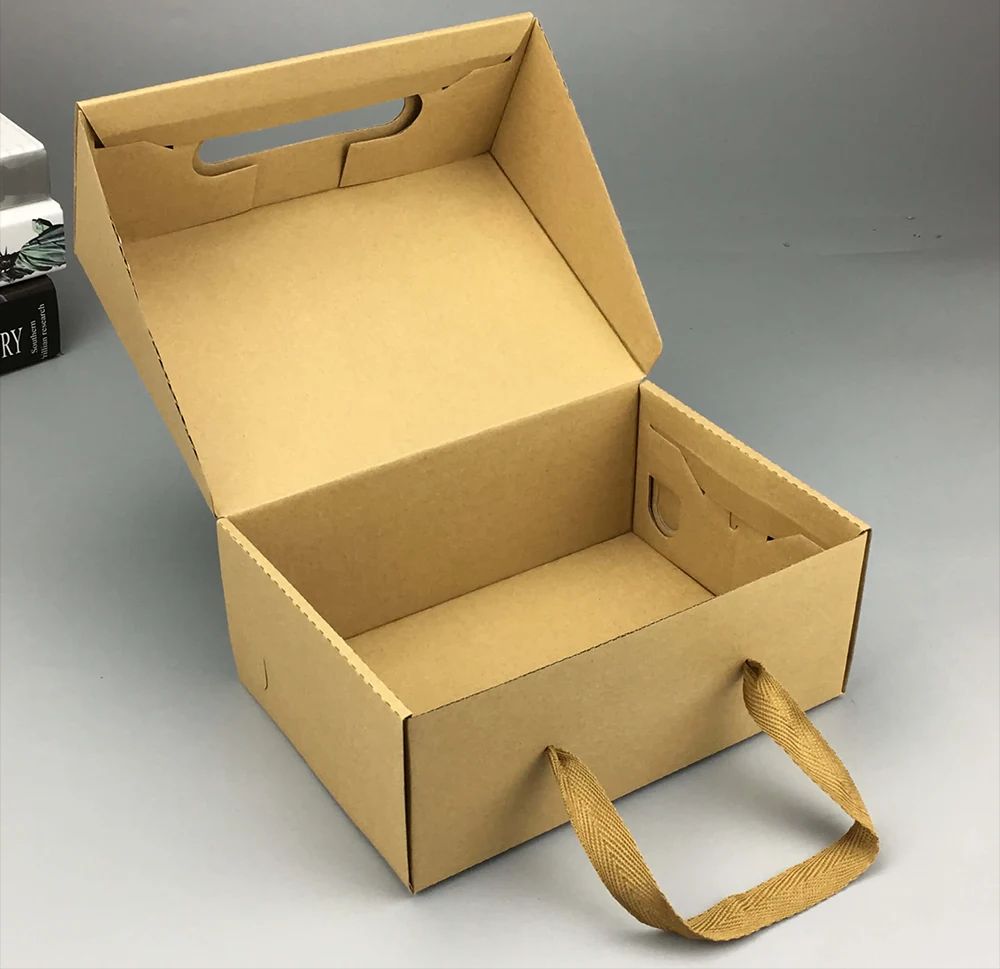
Most people assume the tape is the weak link, but in real-world handling, the box itself usually breaks down first. A heavy-duty box can lose its structural integrity when the corrugated flutes get crushed from uneven stacking or when moisture from a cold dock seeps into the board. The tape stays bonded to the surface, yet the outer liner peels away from the fluting, leaving the seal intact while the carton bursts open at the corners.
Another overlooked factor is the score line. If the manufacturer's crease is too deep or misaligned, the board fibers are already compromised before the box is even erected. Under load, that fold becomes a hinge point where the paperboard delaminates. Add in the constant vibration of transit, and the side panels can flex enough to tear at the hand holes or bottom flaps, even though the tape is still holding strong.
The real solution isn't just buying a stronger tape. It's looking at board grade, flute profile, and how the box is packed. Heavy contents that shift inside turn the carton into a battering ram, hammering the walls from within while the tape does its job at the seams. If the internal cushioning doesn't stop that movement, the box fails from impact fatigue long before the adhesive ever gives out.
Flute Profiles That Prevent Bottoming Out on Long Hauls
Long, uninterrupted cuts have a way of revealing exactly where a flute design falls short. Standard constant-helix flutes tend to load chips in the same spot over and over, and once that packed ring forms, the tool starts pushing instead of cutting—another way of bottoming out before the pass is done. Switching to a variable helix with a polished, slightly wider gullet changes the rhythm of chip formation. The uneven spacing breaks up harmonics and keeps the chip bed from building up at the flute root.
Core geometry matters just as much on deep or long-reach work. A gradual taper that thickens toward the shank adds stiffness without squeezing the cutting zone. That leaves the bottom of the flute open where chips are actually made, so they clear out instead of jamming against the heel and forcing you to ease off feed or coolant. The result is a profile that holds its own over a long haul rather than fading halfway through.
A low-friction coating on the flute faces helps too, especially in gummy materials like aluminum or 304 stainless. It stops the first chip from sticking and starting a chain reaction of buildup. When the flutes stay clean, the edge keeps biting into fresh material, and the cut doesn't drift or stall as heat builds up along the path.
When Standard Sizes End Up Costing More Than Custom Cuts
Buying stock lumber or sheet goods usually feels like the budget move until you measure what gets thrown away. A standard eight-foot board in a seven-foot alcove leaves a foot of offcut you paid for but can't use, and those little remnants pile up fast across a whole project. Custom cuts flip that math by charging only for the actual lengths or panels that land in the finished piece.
There's also the hidden labor of forcing a standard size to fit. Trimming, edge-banding, or re-drilling prefinished components can take longer than starting from a correctly sized blank. Shops that offer cut-to-order often pass along their own material savings because they buy full units and optimize nesting, which means the price per finished part can undercut what you'd spend on retail packs plus your own waste.
The real difference shows up in awkward dimensions. A 23-inch shelf from a 24-inch standard panel wastes almost nothing, but a 21-inch shelf from that same panel leaves a strip too narrow to use elsewhere. Multiply that by ten shelves and the "cheap" standard size quietly cost you an extra panel. Custom cuts remove that quiet leakage and let you pay for the material that actually stays in the room.
Testing Real Rigidity Without a Lab: The Loaded Pallet Test
Rigidity is one of those properties that gets talked about in data sheets but rarely tested outside a controlled lab. The loaded pallet test changes that. Grab a standard warehouse pallet, load it with a known weight like bags of concrete, sand, or even stacked boxes of tile, and you have a repeatable force that mimics real-world loading better than a universal testing machine ever could. The trick is to keep the load distribution consistent—same pallet, same placement of weights, same lift or forklift approach every time you run the test.
Set the structure you want to test on a flat, solid floor and position a dial indicator, a laser pointer, or even a smartphone on a tripod aimed at the point of maximum expected deflection. Lower the loaded pallet gently onto the frame or panel and let it sit for at least five minutes. Watch for any sag that develops immediately, then check again after the load has settled. A piece of masking tape with a pencil mark can serve as a simple gauge if you don't have precision instruments. The goal is to measure how much the part moves under load, not to hit a perfect number.
What makes this approach useful is that it tests the entire assembly—welds, bolts, brackets, and all—rather than an isolated material coupon. You'll quickly discover that a beam might be stiff in a lab but still twist when bolted into a frame. Be cautious, though: always keep a clear escape path, use straps to keep the pallet load from shifting, and stop the test if you hear cracking or see permanent deformation. Real rigidity is about surviving actual use, and a loaded pallet is about as real as it gets without spending a fortune on test equipment.
Moisture and Vibration: The Two Enemies Your Box Choice Must Beat
A box that sits fine on a warehouse shelf can turn soft and useless after a single damp night. Moisture works into the corrugated layers, dissolves the starch bonds, and leaves the board feeling more like wet newspaper than protective packaging. Once that happens, tape peels away without much resistance, and the box starts to sag under its own weight. Choosing a liner with a water-resistant coating or a wax-treated outer surface isn't about surviving a downpour—it's about refusing to let ordinary humidity quietly undo your shipment before it ever reaches a doorstep.
Vibration is less obvious but just as destructive. A truck idling at a stoplight, a conveyor dropping boxes onto a sorting line, a forklift crossing cracked concrete—all of it sends constant low-level shaking through the package. Over hours, this motion lets dense items grind against each other, loosens hardware, and works tape seams backward from the corners. Boxes with single-wall construction tend to flex too much under that repetitive load. Thicker double-wall sides, reinforced corner posts, or simple foam inserts that stop contents from drifting can make the difference between arrival and a damage claim.
The two forces rarely stay separate for long. A box that has absorbed even a little moisture loses crush strength, and then the same road vibration that would have been harmless starts tearing the weakened flaps. The seam splits not because the tape failed but because the damp board behind it gave way. That's why the smartest box selection treats moisture and vibration as one combined problem: choose a board grade that retains its stiffness when humidity climbs, then eliminate empty space inside so there's nothing to rattle loose.
FAQ
It comes down to board construction. Double-wall or triple-wall boards add crush resistance and stacking strength that single-wall can't match. Look for high edge crush test (ECT) ratings and a flute profile that balances cushioning with rigidity. For really heavy items, you might even consider reinforced corners or pallet-ready designs.
If your product weighs over roughly 30–40 pounds or will be stacked during shipping, skip single-wall. Double-wall gives you two fluted layers with a liner in between, which means far less chance of side blowouts or corner crushing. Single-wall works fine for lighter items, but heavy-duty needs almost always justify the extra cost of double-wall.
ECT tells you how much stacking weight the box can handle before buckling, which matters for warehouse storage. Mullen (burst strength) measures puncture resistance, more relevant when boxes might get bumped or pierced in transit. For heavy loads that sit in stacks, prioritize ECT; for rough handling with odd-shaped contents, pay more attention to Mullen.
Yes. C-flute offers a good balance of cushioning and compression, but B-flute or E-flute provide a flatter surface and better stiffness for smaller heavy items. For maximum strength, BC-flute combines B and C flutes in a double-wall board, giving you both rigidity and impact absorption. A-flute is softer and better for fragile items, not ideal for uniformly heavy products.
Consider reinforced handles if people need to lift the box, double-thick bottom pads to prevent sagging under heavy contents, and full-height inserts or dividers to keep dense items from shifting. Wax coatings or moisture-resistant adhesives help if storage conditions are damp. Pallet-ready base designs also reduce forklift damage.
Absolutely. Many heavy-duty boxes use high recycled content, and double-wall construction doesn't prevent recycling. You can request water-based inks and starch-based adhesives. The key is designing the box to fit the product closely—oversized boxes waste material and increase shipping weight, which undermines sustainability goals.
Ask suppliers for samples and run a simple trial: load a box with your actual product, stack additional weighted boxes on top for 24–48 hours, then check for deflection or corner damage. Also simulate drops from typical handling heights. If possible, do a vibration test on a pallet to see how boxes shift. Lab certifications are useful, but nothing beats real-world conditions.
The biggest one is choosing a box solely by price per unit without calculating total cost per shipment—weaker boxes lead to product damage and returns. Another mistake is ignoring box dimensions versus pallet footprint, which creates wasted space and instability. Also, many buyers overlook storage conditions: humidity can reduce box strength by 20–30%, so choose moisture-resistant grades if needed.
Conclusion
Heavy-duty packaging rarely fails because the corrugated board is too weak in a single, obvious way. It fails when the wall construction cannot handle the sharp, repeated shocks of forklift drops or the grinding pressure of pallet mates shifting in transit. A box that collapses at the side seam while the tape still holds tells you the real problem is the combination of flute profile and liner weight, not the closure. For long hauls, deeper flutes like A or BC provide the vertical rigidity needed to keep the bottom from sagging under stacked loads, but they only work if the overall wall structure distributes that load instead of concentrating it at the corners.
Standard sizes often look cheaper until you factor in the void fill, extra dunnage, and the cost of replacing boxes that arrived crushed because they did not match the actual product dimensions. A custom cut that fits the load snugly can reduce total spend more than any bulk discount on a generic carton. To verify real rigidity without lab equipment, load a pallet the way it will actually ship, leave it for a day, and then check for lean, bulging, or bottom panel deflection. Moisture and vibration remain the quiet killers: high humidity softens the fiber, and continuous road vibration works seams loose. Your best choice is a box engineered for both the load and the route, not just the warehouse shelf.
Contact Us
Contact Person: Sasha Du
Email: [email protected]
Tel/WhatsApp: +86 13869836645
Website: https://www.zmjpackagings.com/