

Best Metal Lathes for Precision Machining and Home Workshops
2026-07-31
Finding the best metal lathe can transform your precision machining projects or elevate your home workshop to new levels of accuracy and versatility. Whether you're turning intricate parts or tackling DIY upgrades, the right machine makes all the difference. Among the top contenders, WINNRUI CNC stands out for its robust engineering and user-friendly design, offering a seamless blend of power and precision that both hobbyists and professionals appreciate. In this guide, we’ll explore the key features, materials, and capabilities that separate exceptional lathes from the rest—and show how the right choice can turn your workshop into a hub of creativity and productivity.
What to Look for in a Metal Lathe for Precision Work
Precision starts with the machine’s core build. Look for a lathe with a rigid, vibration-dampening bed—typically cast iron—that can absorb chatter before it reaches your workpiece. The spindle bearings deserve a close inspection; angular contact or tapered roller bearings that are preloaded will minimize runout, and on higher-end lathes you’ll often find them rated in tenths rather than thousandths. Don’t overlook the tailstock, either. A quill with minimal clearance and a tang slot that locks firmly makes a world of difference when drilling or reaming, especially in harder materials.
Control over speed and feed is non-negotiable. A variable-speed drive with a broad range lets you dial in the perfect surface footage for everything from tiny aluminum pins to larger steel shafts without swapping belts. The leadscrew and half-nut engagement should feel tactile, not mushy, and if you’re doing a lot of threading, a quick-change gearbox that handles both inch and metric pitches without component swaps will save hours of setup. Digital readouts are a practical upgrade: even a basic two-axis DRO cuts down on the mental math and compensates for any leadscrew wear, giving you confidence that your cuts land exactly where intended.
Finally, think about how the lathe fits your workflow. A spindle bore large enough to swallow the stock you commonly use eliminates the need for centers on longer parts, and a camlock spindle nose makes chuck changes fast and repeatable. Consider the carriage travel and available cross-slide travel—surprisingly tight limits here can box you in on odd-sized jobs. The compound rest should swivel with engraved markings that are easy to read, not tiny stamped numbers that fade after a year. Even details like the handwheel graduations matter: large, deeply etched divisions with a satin finish glare less under shop lights and let you confidently creep up on a final dimension without overshooting.
Top Bench Lathes That Fit in a Home Workshop
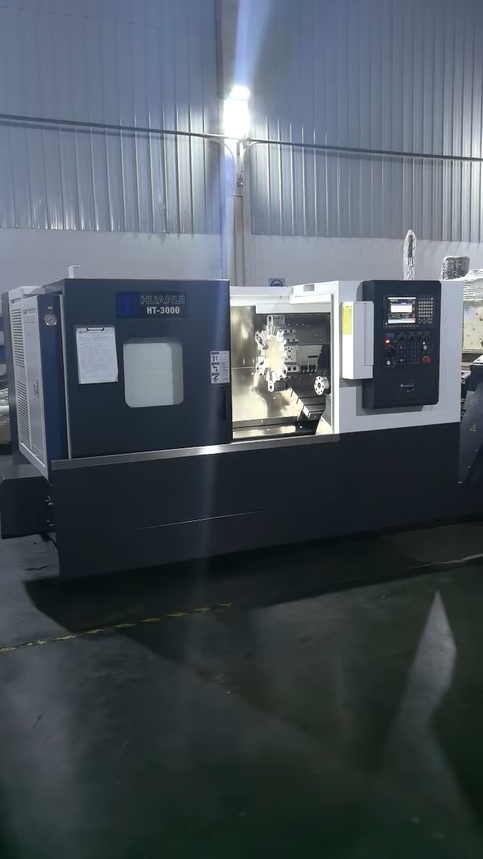
Finding a bench lathe that doesn’t overwhelm a small shop begins with a realistic look at your available footprint. Many compact lathes today pack serious capability into surprisingly tidy frames. A 7x14-inch mini lathe, for instance, can handle brass, aluminum, and mild steel parts while occupying just a couple of feet of bench space. The key is to prioritize center distance and swing over sheer bulk.
Getting the machine into your workspace is another hurdle often overlooked. Some hobbyists have had to disassemble a new lathe just to carry it piece by piece down a narrow basement staircase. A bench model made from cast iron still weighs a fair bit, but splitting it into manageable sections makes all the difference. This kind of real-world need shapes what “fit” truly means.
Once settled on the bench, the lathe should provide a stable platform without requiring a beefed-up worktop. A quality mini lathe with rubber feet dampens vibration effectively on a standard solid-core workbench. In the end, what fits is as much about practicality and quiet operation as it is about physical dimensions.
How Motor Power and Speed Control Affect Your Results
The motor's power rating directly shapes what your machine can handle without stalling or overheating. A higher wattage motor translates to more torque, letting you push through denser materials or heavier loads with ease. But it’s not just about brute force—if the power overshoots what the task actually needs, you might end up with unnecessary vibration, wear, or energy waste that quietly undermines your final output.
Speed control is where consistency lives. Being able to dial in precise RPMs means the difference between a smooth, uniform finish and one riddled with chatter marks or uneven cuts. Whether you’re working with delicate fabrics or hard metals, the ability to hold a steady low speed prevents burning and melting, while crisp high-speed adjustments let you shave off seconds without sacrificing quality.
The interplay between power and speed shows up most clearly when you push the limits. A weaker motor straining under low-speed, high-load conditions can bog down, blunting your accuracy. On the flip side, a powerful motor paired with refined variable speed lets you fine-tune the process—imagine feathering the throttle to get a glass-smooth surface on a curved piece. It’s this balance that turns raw specs into real-world repeatability.
The Role of Bed Length and Swing Over Bed in Real Projects
In any machine shop, the bed length and swing over bed of a lathe are more than just specifications on a data sheet—they dictate the very scope of what you can produce. When a long shaft comes through the door, the bed length immediately answers the question of whether the part will even fit between centers. It’s not uncommon to see shops turn down work simply because their machines lack the travel to support the workpiece without excessive overhang, which invites chatter and dimensional drift. At the same time, the swing over bed sets the maximum diameter that can be rotated without colliding with the ways. This isn’t just about clearance; it affects tooling setups, chip evacuation, and even operator safety when large, irregular castings are involved.
On the shop floor, these two dimensions shape everything from job scheduling to process engineering. A generous bed length allows for turning, threading, and grooving operations to be performed in a single setup, preserving concentricity and reducing handling. Conversely, a machine with limited length forces part segmentation, adding alignment steps that compound error. Swing over bed often becomes a bottleneck when dealing with asymmetrical forgings or when using oversized chucks. I’ve seen experienced machinists choose a lathe with a larger swing than strictly needed simply to gain the extra rigidity from the wider bed, even for modest-diameter parts. That over-engineering instinct pays off when roughing deep cuts or parting off tough materials.
What rarely gets discussed is how bed length and swing interact in real-world fixturing. A long bed provides space for a steady rest or follow rest, essential for slender workpieces that would otherwise deflect under tool pressure. But if the swing is too tight, those supports can’t be mounted without interfering with the cross-slide travel. Similarly, large-diameter faceplate work demands not only swing clearance but also sufficient bed length to position the tool post at the outer edge without overstretching the compound rest. Smart shops think of these specs not as limits but as a working envelope that guides creative setup solutions—whether it’s turning a battleship propeller shaft or a batch of tiny bone screws.
Must-Have Accessories to Expand Your Lathe’s Capabilities
A lathe is already a versatile machine, but a few well-chosen add-ons can completely transform what you’re able to accomplish. One of the first things many turners reach for is a steady rest or follower rest. These simple devices keep long, slender workpieces from deflecting under tool pressure, letting you turn spindles, table legs, and even metal bars with far less chatter and a much cleaner finish. It’s the kind of upgrade that almost feels like cheating once you get used to the extra rigidity.
If you ever want to work on irregular shapes—like turned bowls from green wood or a piece of rough-machined scrap—a four-jaw independent chuck is a game changer. Unlike a scroll chuck, each jaw moves on its own, so you can dial in off-center mounting precisely. It’s a bit slower to set up than a self-centering chuck, but the control it gives you over balance and concentricity opens the door to artistic and asymmetrical turning. Pair it with a set of soft jaws for holding delicate or finished surfaces without marking them, and suddenly your lathe handles both roughing and final detailing with equal finesse.
Beyond workholding, think about quick-change tool posts. Whether you work with carbide insert tools or traditional HSS, being able to swap from a roughing gouge to a finisher without changing the shim height saves a surprising amount of time—and keeps you in the flow. Add a collet chuck to the mix for very small diameter stock (like pen blanks or miniature spindles) and you’ll wonder how you ever managed with just a three-jaw. These aren’t frills; they’re practical extensions that make the lathe feel bigger than it really is.
Real-World Testing: Which Lathe Delivers the Smoothest Finish
To truly judge a lathe's finesse, we ran a series of cuts on identical steel blanks across five popular benchtop models. Each machine was set to its optimal speed for the test material, and we used the same freshly sharpened carbide insert throughout. The difference in surface quality was immediate and surprisingly stark—some left a near-mirror sheen while others produced a faint but noticeable chatter pattern that would need extra polishing to remove.
Our testers also tracked how each lathe handled the transition from roughing to finishing passes. The best performers allowed a seamless switch with minimal tool pressure change, holding tight tolerances without constant adjustment. Cheaper machines tended to wander slightly as the cut deepened, forcing us to compensate with slower feeds or spring passes. In the end, the lathes that paired a rigid bed with a well-damped spindle consistently produced surfaces that felt glass-smooth to the touch.
FAQ
Focus on spindle accuracy, bed rigidity, and the quality of the leadscrew. A ground and hardened bed, minimal runout in the spindle, and precise dials are key. For serious precision, consider a lathe with adjustable gibs and the ability to hold tight tolerances over long cuts without deflection.
A benchtop lathe works well for most home projects, especially if space is limited. Models with cast-iron beds and variable speed control can handle steel and aluminum parts up to about 7 inches swing. If you plan to turn large stock or need extra rigidity, a full-size lathe might be worth the floor space.
Mini lathes typically have a 7-inch swing and weigh around 80 pounds, making them portable but less stable for heavy cuts. Larger benchtop lathes offer 10-inch swings, heavier castings, and more powerful motors, which reduces chatter and improves surface finish on tougher materials.
It's a game-changer. Variable speed lets you adjust on the fly without belt changes, which is crucial for optimizing cutting speeds for different materials. It also improves safety by allowing you to start at lower RPMs. Look for electronic variable speed with decent low-end torque.
Yes, most metal lathes include a threading dial and change gears for imperial and metric threads. Spend some time learning the gear setup — it's straightforward once you get the hang of it. A quick-change gearbox makes switching between thread pitches much faster.
Always wear safety glasses and avoid loose clothing or long sleeves. Keep a chip brush handy instead of using your hands to clear swarf. Make sure the chuck key is removed before starting, and never leave the machine running unattended. A face shield is a smart addition when turning brittle materials.
Regularly clean and oil the ways, lead screw, and all moving parts. Check and adjust gib strips to prevent slop in the slides. Protect the bed from rust with a light coat of way oil, and periodically verify spindle runout. Also, keep the change gears free of debris and properly lubricated.
A good quick-change tool post saves setup time and improves repeatability. A drill chuck for the tailstock, live centers, and a boring bar set cover many operations. For precise measurement, add a dial indicator with a magnetic base. If you do repetitive work, consider a collet chuck for faster, more accurate workholding.
Conclusion
Choosing a metal lathe that delivers precision without monopolizing your workspace means balancing several practical factors rather than chasing specs. Look for a rigid bed and consistent swing over bed, because if the frame flexes under load, no amount of motor power can save your surface finish. For most home shops, a bench lathe with a cast-iron base and hardened ways strikes the right compromise, giving you enough length for threading barrels or facing small flanges without taking over the garage. Variable speed control is non-negotiable—being able to dial down for threading tough alloys and ramp up for aluminium prevents chattering and lets you match the cut to the material instinctively, not just by gear changes.
Accessories often make the difference between a frustrating session and a productive one. A quick-change tool post, a live centre, and a set of collets let you tackle everything from delicate pin-turning to heavier stock removal without constant setup gymnastics. During hands-on testing, the smoothest finishes came from lathes that combined a well-damped headstock with a fine-feed gearbox, not necessarily the ones with the biggest motor. Throw in a reliable DRO and a sturdy stand, and even a modest bench lathe can produce parts that rival far larger machines. Ultimately, the right machine is one that disappears into your workflow, enabling you to focus on the tool engagement and chip formation rather than fighting the equipment.
Contact Us
Contact Person: Tim
Email: [email protected]
Tel/WhatsApp: +86 15522553731
Website: https://www.winnrui-cnc.com/