

Best Sewer Pipe Cleaning Equipment: Essential Tools for Maintenance
2026-04-05
When clogs and buildup threaten your plumbing system's efficiency, having the right tools isn't just convenient—it's essential. In this guide, we'll explore the best sewer pipe cleaning equipment that every maintenance professional needs in their arsenal. From powerful hydro jetters to advanced inspection cameras, discover how these tools can transform your maintenance routine and prevent costly repairs down the line. As experts at AMJET, we've seen firsthand how quality equipment makes all the difference. Get ready to uncover the gear that keeps systems running smoothly and efficiently, saving you time and hassle with every use.
High-Pressure Water Jetters: Powering Through Blockages
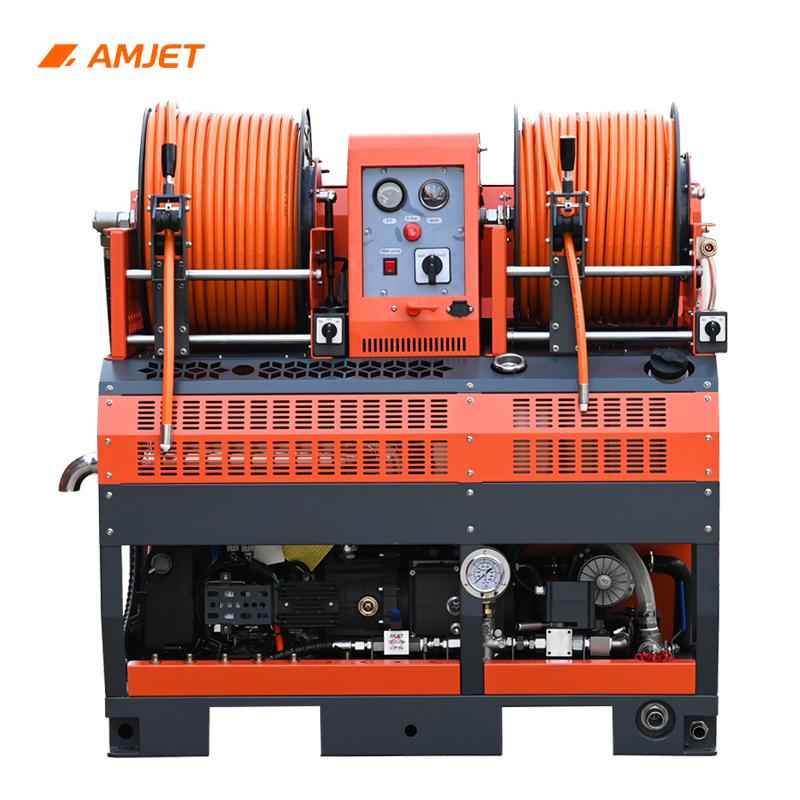
When it comes to tackling stubborn blockages in pipes and drains, high-pressure water jetters stand out as the go-to solution for both residential and commercial applications. These powerful machines harness the force of pressurized water streams, which can cut through grease, sediment, and tree roots with ease, leaving pipes cleaner and more functional than ever before. Unlike chemical cleaners that may harm your plumbing over time, water jetters offer an eco-friendly alternative that doesn't rely on harsh substances, making them a safer choice for your home and the environment.
The versatility of high-pressure water jetters extends beyond just clearing clogs. Many models come with adjustable nozzles and pressure settings, allowing users to tailor the jetting process to specific pipe materials and blockage types. Whether you're dealing with a small-scale kitchen sink backup or a large industrial sewer line, there's likely a jetter that fits the bill perfectly. This adaptability ensures that every job is handled efficiently, minimizing downtime and preventing potential damage to your plumbing system.
Investing in a high-pressure water jetter pays off in the long run by promoting better drainage and reducing the need for frequent repairs. Regular use can help maintain optimal flow, preventing future blockages and extending the lifespan of your pipes. Plus, with user-friendly designs and safety features becoming more common, even DIY enthusiasts can confidently tackle these tasks without professional assistance, saving both time and money on maintenance costs.
Drain Snakes and Augers: Flexible Solutions for Tough Clogs
When you’re dealing with a stubborn drain clog that just won’t budge, standard plungers often fall short. That’s where drain snakes and augers come into play, offering a more targeted and flexible approach. These tools are designed to reach deep into pipes, breaking up blockages like hair, grease, or food particles that can cause persistent backups. With their ability to maneuver through twists and turns in plumbing systems, they provide a hands-on solution that’s both effective and adaptable for various pipe types, from kitchen sinks to bathroom drains.
Unlike chemical cleaners that can damage pipes over time, drain snakes and augers offer a physical method that’s safer for your plumbing and the environment. They come in different styles, such as hand-cranked models for DIY enthusiasts or motorized versions for tougher jobs, giving you options based on the severity of the clog. Whether it’s a simple twist-and-pull action or a more powerful auger with a cutting head, these tools allow for precise control, ensuring you can tackle the issue without unnecessary guesswork or mess.
In many cases, investing in a quality drain snake or auger can save you from costly professional calls and repeated maintenance. Regular use prevents minor clogs from escalating, maintaining smooth water flow and extending the life of your pipes. By choosing the right tool for the job, you empower yourself to handle those tough clogs with confidence, turning a frustrating problem into a manageable task with lasting results.
Sewer Inspection Cameras: Seeing Below the Surface
Imagine a world where we could peer into the labyrinthine depths of our sewer systems without ever getting our hands dirty. That's exactly what sewer inspection cameras make possible. These high-tech devices are designed to navigate the twists and turns of underground pipes, capturing real-time video footage that reveals hidden issues like cracks, blockages, or corrosion. By providing a clear view below the surface, they help municipalities and contractors diagnose problems accurately, preventing costly repairs and ensuring infrastructure longevity.
What sets these cameras apart is their adaptability and precision. Equipped with advanced features like pan-and-tilt heads, high-resolution sensors, and even 3D mapping capabilities, they can inspect pipes of various sizes and materials in virtually any condition. This allows for a thorough assessment without the need for disruptive excavation, saving time and reducing environmental impact. As urban areas expand and aging systems demand more attention, these tools are becoming indispensable for proactive maintenance and smart city planning.
Beyond mere diagnostics, sewer inspection cameras are revolutionizing how we approach infrastructure management. By offering a detailed glimpse into what was once invisible, they empower decision-makers to prioritize repairs, allocate resources efficiently, and implement targeted solutions. This not only enhances public safety by preventing overflows and contamination but also boosts sustainability efforts, as early detection can minimize waste and resource use. In short, these cameras are more than just tools—they're our eyes in the underground, shaping a cleaner, more resilient future.
Hydroexcavation Units: Precision Cleaning Without Damage
Hydroexcavation units have revolutionized the way industries approach cleaning and excavation tasks, providing a non-destructive solution that combines high-pressure water and vacuum systems. Unlike traditional methods that rely on mechanical digging, these units use water jets to break up soil and debris while simultaneously suctioning it away. This process ensures minimal disturbance to surrounding structures, underground utilities, and the environment, making it ideal for sensitive areas where precision is paramount.
What sets hydroexcavation apart is its ability to deliver targeted cleaning without the risk of damage that often accompanies heavy machinery. By adjusting water pressure and flow rates, operators can tailor the excavation to specific project needs, whether it's exposing buried pipes, cleaning industrial tanks, or removing hazardous materials. This flexibility not only enhances safety but also reduces downtime and repair costs, offering a cost-effective alternative that prioritizes both efficiency and preservation.
In practice, hydroexcavation units are becoming increasingly indispensable across sectors like construction, utilities, and environmental remediation. Their versatility extends beyond mere cleaning; they enable technicians to work in confined spaces and challenging conditions with greater control and accuracy. As industries continue to emphasize sustainable and non-invasive practices, hydroexcavation stands out as a forward-thinking tool that balances productivity with the need to protect infrastructure and ecosystems.
Pipe Descaling Tools: Removing Mineral Buildups Efficiently
When hard water flows through pipes, minerals like calcium and lime can accumulate over time, creating stubborn deposits that reduce water pressure and efficiency. Instead of relying on harsh chemicals that might corrode plumbing, specialized descaling tools offer a mechanical approach to tackle this issue head-on. These devices, ranging from simple wire brushes to advanced powered systems, scrape away buildup without damaging the pipe's interior, ensuring a thorough clean that restores optimal flow and extends the lifespan of your plumbing infrastructure.
What sets modern descaling tools apart is their adaptability to different pipe materials and diameters. For instance, flexible shaft tools can navigate bends and joints in residential pipes, while heavier-duty models are designed for industrial-scale applications like water heaters or boilers. By choosing the right tool for the job, users can efficiently remove mineral deposits in a targeted manner, minimizing downtime and avoiding the mess associated with chemical treatments. This precision not only enhances performance but also reduces the risk of leaks or further damage down the line.
Beyond just cleaning, investing in quality descaling tools can lead to long-term savings on energy and maintenance costs. Clear pipes mean less strain on pumps and heaters, as water moves freely without obstruction. Regular use of these tools as part of a maintenance routine helps prevent major blockages, keeping systems running smoothly and reducing the need for costly repairs. Whether for a homeowner dealing with slow drains or a facility manager overseeing large plumbing networks, these tools provide a proactive solution to keep mineral buildups in check.
Portable Vacuum Systems: Clearing Debris and Sediment Fast
In industries ranging from construction and manufacturing to environmental cleanup, portable vacuum systems are revolutionizing how we handle debris and sediment removal. These compact yet powerful units excel at quickly extracting materials from tight spaces, uneven surfaces, or areas with limited access, making them indispensable for tasks like cleaning up after a renovation, managing waste on a factory floor, or dealing with sediment buildup in ponds. Unlike traditional methods that rely on manual labor or bulky equipment, portable vacuums offer a streamlined, efficient solution that minimizes downtime and maximizes productivity.
One of the standout features of these systems is their versatility and adaptability. Modern portable vacuums come equipped with various nozzle attachments and filters, allowing them to tackle diverse materials from fine dust and gritty sediment to larger debris chunks. This flexibility means you can use the same system for multiple applications, whether it's clearing out clogged drains, removing hazardous materials safely, or maintaining equipment by sucking up accumulated particles. Their robust construction and user-friendly controls ensure they can withstand harsh conditions while remaining easy to operate, even for those with limited technical expertise.
Beyond convenience, portable vacuum systems prioritize speed and safety, making them a go-to choice for professionals who value efficiency. By swiftly removing debris and sediment, they help prevent accidents, reduce contamination risks, and maintain compliance with health and safety regulations. Case studies from sectors like mining and agriculture show how these systems accelerate cleanup processes, saving both time and money while enhancing overall site hygiene. Investing in a high-quality portable vacuum can transform messy, time-consuming jobs into quick, manageable tasks, proving that fast cleanup isn't just a luxury—it's a necessity in today's fast-paced work environments.
FAQ
Hydro jetting systems are highly effective for large-diameter pipes, using high-pressure water streams (typically 3,000-5,000 PSI) to blast away debris, grease, and roots, restoring flow without damaging pipes.
Mechanical methods (like augers or snakes) are better for solid obstructions like roots or debris, while hydraulic methods (like jetting) excel at removing grease and sludge; assess the blockage type and pipe material to decide.
Yes, compact electric or gas-powered drain cleaners with flexible cables (e.g., 3/4-inch diameter) and portable hydro jetters are available, making them ideal for confined areas and home use.
Always wear gloves, safety goggles, waterproof boots, and respirators to protect against contaminants, and ensure proper ventilation in confined spaces to avoid gas buildup.
Use gentle methods like low-pressure hydro jetting or non-abrasive mechanical tools; avoid harsh chemicals or high-impact drills that might weaken the pipe material over time.
For most homes, a professional cleaning every 1-2 years is recommended, but older systems or areas with heavy tree roots may need semi-annual checks to avoid backups.
Opt for models with adjustable pressure (up to 4,000 PSI), durable nozzles for various blockages, and long hoses (at least 200 feet) to handle large-scale jobs efficiently.
Yes, using trenchless technologies like pipe bursting or relining, which minimize excavation; for cleaning, directional jetting tools can target specific areas with precision.
Conclusion
When tackling sewer pipe maintenance, selecting the right tools is crucial for efficiency and effectiveness. High-pressure water jetters stand out by delivering powerful streams that can dislodge stubborn blockages, while drain snakes and augers offer flexible, mechanical solutions for tougher clogs, ensuring thorough cleaning even in complex pipe systems. These tools are complemented by sewer inspection cameras, which provide a clear view below the surface, allowing technicians to diagnose issues accurately without guesswork. Together, they form a robust foundation for routine maintenance, helping to prevent major disruptions and extending the lifespan of sewer infrastructure through proactive care.
Beyond basic cleaning, advanced equipment enhances precision and safety in sewer maintenance. Hydroexcavation units enable meticulous cleaning without damaging surrounding pipes, making them ideal for delicate or older systems. Pipe descaling tools efficiently remove mineral buildups that can restrict flow over time, while portable vacuum systems quickly clear debris and sediment, improving overall drainage performance. By integrating these specialized tools—from high-tech cameras to targeted cleaning devices—professionals can address a wide range of maintenance challenges, ensuring that sewer pipes remain functional and reliable with minimal environmental impact or operational downtime.
Contact Us
Contact Person: Mike
Email: [email protected]
Tel/WhatsApp: +86 19545555505
Website: https://www.amjeting.com/