
Castor Oil Ethoxylate Solutions: Enhancing Performance in Industrial Applications
2026-03-14
In the ever-evolving landscape of industrial chemistry, finding versatile and sustainable solutions can be a game-changer. Enter Castor Oil Ethoxylate Solutions—a powerful yet often overlooked class of compounds that are revolutionizing performance across various sectors. From enhancing emulsification and lubrication to boosting biodegradability, these solutions offer a unique blend of efficiency and eco-friendliness. At POLYKEM, we're at the forefront of developing and supplying high-quality Castor Oil Ethoxylates that meet the demanding needs of modern industries. In this blog post, we'll delve into how these innovative formulations are not just improving processes but also paving the way for greener, more effective applications. Prepare to discover why embracing this technology might just be the next strategic move for your operations.
The Unmatched Versatility of Castor Oil Ethoxylates in Modern Industry
In today's diverse industrial landscape, castor oil ethoxylates stand out for their remarkable adaptability across numerous applications. Derived from renewable castor beans, these non-ionic surfactants have carved a niche in sectors ranging from agriculture to personal care, thanks to their unique properties like emulsification, wetting, and dispersing abilities.
What sets castor oil ethoxylates apart is their ability to perform reliably under challenging conditions, such as high temperatures or varying pH levels, making them indispensable in formulations that demand stability and efficiency. Their eco-friendly profile further enhances their appeal, aligning with the growing push for sustainable industrial solutions without compromising on performance.
From enhancing the effectiveness of agrochemicals in boosting crop yields to providing gentle yet effective cleansing in skincare products, the versatility of castor oil ethoxylates continues to drive innovation. This adaptability ensures they remain a go-to choice for formulators seeking versatile, high-performance ingredients in an ever-evolving market.
Transforming Industrial Efficiency: How Castor Oil Ethoxylates Drive Performance
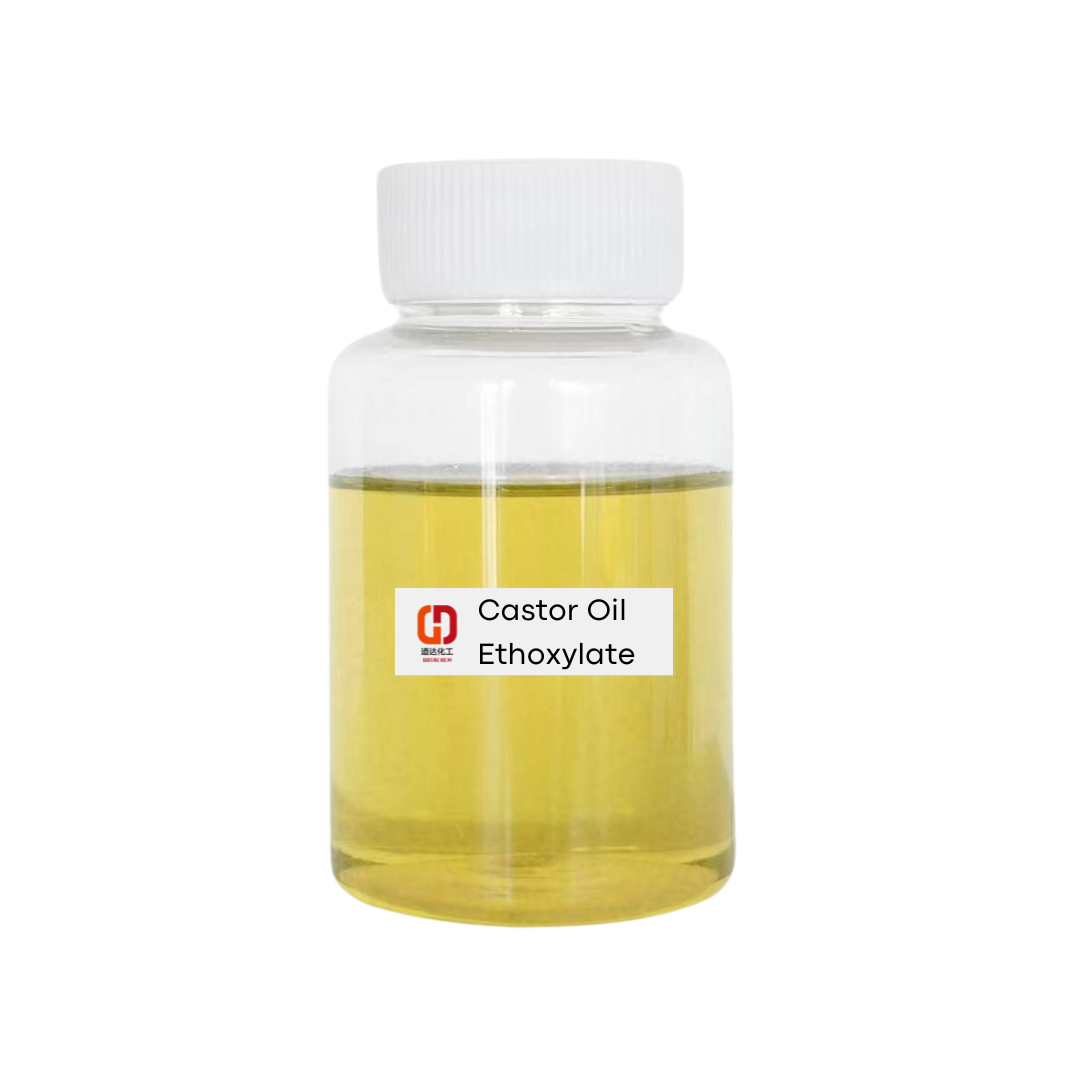
In today's competitive industrial landscape, the quest for efficiency is relentless, and castor oil ethoxylates have emerged as a key driver in this transformation. These versatile surfactants, derived from renewable castor oil, are making waves across various sectors by enhancing performance in ways traditional chemicals often cannot. From lubricants to agrochemicals, their unique molecular structure allows for improved wetting, emulsification, and dispersion, directly contributing to streamlined processes and reduced waste. This shift not only boosts productivity but also aligns with growing sustainability goals, as industries leverage these bio-based alternatives to optimize operations.
What sets castor oil ethoxylates apart is their adaptability under diverse conditions. Unlike many synthetic counterparts, they maintain efficacy across a broad pH range and temperatures, making them invaluable in high-demand applications like textile processing or metalworking fluids. Their ability to reduce surface tension and stabilize formulations translates to longer-lasting products and minimized downtime. By integrating these compounds, companies report fewer operational hiccups and enhanced output quality, showcasing a tangible step toward smarter, more resilient industrial practices.
As industries continue to evolve, the role of castor oil ethoxylates in driving efficiency is only set to expand. Innovations in their production and application are unlocking new possibilities for cost savings and performance gains. Whether it's through improving the bioavailability of pesticides or extending equipment life in manufacturing, these compounds are proving to be more than just additives—they're catalysts for change, helping businesses thrive in an era where every percentage point of efficiency counts.
Beyond Traditional Applications: Innovative Uses of Castor Oil Ethoxylates
Castor oil ethoxylates are breaking away from their conventional roles in cosmetics and pharmaceuticals, finding novel applications in areas such as coatings and energy storage. In the coatings industry, for example, their amphiphilic nature enhances the dispersion of pigments, leading to more durable and environmentally friendly paints with improved adhesion and resistance to weathering. This shift highlights their versatility and potential to address emerging challenges in material science.
In the agricultural sector, these ethoxylates are being leveraged as effective adjuvants in pesticide formulations, where they improve herbicide efficacy by ensuring better coverage and absorption on plant surfaces. This innovation helps reduce chemical usage and promotes sustainable farming practices, demonstrating how castor oil derivatives can contribute to eco-friendly solutions beyond traditional boundaries.
Moreover, research is exploring castor oil ethoxylates in advanced fields like biotechnology, where they serve as biocompatible emulsifiers for drug delivery systems. Their low toxicity and biodegradability make them ideal for creating responsive nanocarriers that target specific cells, offering promising avenues for precision medicine and addressing complex health issues with minimal side effects.
Sustainable Solutions: The Environmental Edge of Castor Oil Ethoxylates
Unlike conventional petrochemical-derived surfactants that often leave a heavy ecological footprint, castor oil ethoxylates offer a refreshingly sustainable alternative. These versatile compounds are derived from the castor bean plant—a hardy, low-water crop that thrives in arid conditions and doesn't compete with food crops, making their cultivation far less resource-intensive. This plant-based origin means that castor oil ethoxylates are inherently biodegradable, breaking down naturally in the environment without lingering pollutants or toxic residues, which is a stark contrast to many synthetic alternatives that persist in ecosystems and contribute to long-term contamination.
Beyond their biodegradability, castor oil ethoxylates excel in applications where eco-friendly performance is paramount, such as in cleaning products, cosmetics, and agricultural formulations. Their non-toxic nature and low impact on aquatic life make them a preferred choice in industries aiming to reduce chemical runoff and comply with stringent environmental regulations. Additionally, the production process of these ethoxylates often generates fewer greenhouse gas emissions compared to petroleum-based surfactants, further solidifying their role in mitigating climate change impacts and supporting circular economy principles by utilizing renewable resources.
In a market saturated with greenwashing claims, castor oil ethoxylates stand out due to their proven track record in enhancing product sustainability without compromising efficacy. Manufacturers appreciate how these compounds maintain high performance in emulsification, wetting, and detergency while aligning with consumer demand for safer, more environmentally responsible ingredients. As global awareness of ecological issues grows, the adoption of castor oil ethoxylates is poised to accelerate, driving innovation in green chemistry and offering a practical path toward reducing industrial environmental footprints in diverse sectors.
Tailoring Formulations for Optimal Results in Diverse Industrial Settings
In today's fast-paced manufacturing landscape, achieving peak performance hinges on customizing formulations to match specific operational needs. Whether it's fine-tuning chemical additives in pharmaceuticals or adjusting material blends in construction, a tailored approach ensures products meet rigorous standards while boosting efficiency. This adaptability not only enhances quality control but also reduces waste, leading to cost-effective solutions across sectors like agriculture, automotive, and electronics.
By leveraging advanced technologies such as data analytics and real-time monitoring, companies can dynamically modify formulations in response to changing conditions on the factory floor or field. For instance, in food processing, tweaking ingredient proportions based on seasonal variations can maintain consistent taste and safety. Such precision-driven strategies foster innovation, allowing industries to stay competitive by addressing unique challenges like resource scarcity or environmental regulations head-on.
Overall, the art of tailoring formulations underscores the shift from one-size-fits-all methods to bespoke solutions that drive optimal results. This proactive mindset cultivates resilience, enabling businesses to adapt swiftly to market demands and technological advancements, ultimately paving the way for sustainable growth and superior end-user satisfaction.
Future Horizons: The Evolving Role of Castor Oil Ethoxylates in Industrial Innovation
As industries race to adopt more sustainable and efficient solutions, castor oil ethoxylates are quietly redefining their place on the innovation stage. Once considered a niche ingredient in personal care products, these versatile compounds now power advancements in everything from biodegradable plastics to high-performance lubricants. Their natural origin and customizable properties make them a go-to choice for engineers seeking eco-friendly alternatives without sacrificing functionality, paving the way for greener industrial processes.
What sets castor oil ethoxylates apart isn't just their environmental credentials, but their remarkable adaptability in complex applications. In pharmaceuticals, they enable stable drug formulations, while in agriculture, they improve pesticide efficacy and reduce runoff. This chameleon-like behavior allows industries to tailor solutions precisely, fostering breakthroughs that were once hindered by less flexible materials. It's this ability to bridge gaps between sustainability and performance that keeps them at the forefront of modern manufacturing.
Looking ahead, the trajectory for castor oil ethoxylates points toward even deeper integration into cutting-edge sectors like renewable energy and smart materials. Researchers are exploring their potential in battery technologies and advanced coatings, where their unique chemical structure could unlock new efficiencies. As these explorations continue, castor oil ethoxylates are poised not just to support innovation, but to drive it, evolving from supportive players into catalysts for transformative industrial change.
FAQ
Castor Oil Ethoxylate is a nonionic surfactant derived from castor oil through ethoxylation, a chemical process where ethylene oxide reacts with the oil. Production involves treating castor oil under controlled conditions—often with catalysts like alkalis or acids—to add ethoxylate groups, enhancing solubility and performance. This results in a versatile compound used in various industrial applications.
It improves performance by acting as an effective emulsifier, dispersant, and wetting agent. In formulations, it stabilizes mixtures, reduces surface tension, and boosts compatibility between different components—key for processes like textile finishing, metalworking, and pesticide production. Its biodegradability and low toxicity further make it a preferred choice in eco-sensitive industries.
This surfactant is widely used in textiles (for dyeing and finishing), agriculture (in pesticide and herbicide formulations), pharmaceuticals (as an emulsifier in creams), and personal care products (like soaps and shampoos). It's also applied in metalworking fluids, lubricants, and as a corrosion inhibitor in industrial cleaning agents.
Castor Oil Ethoxylate offers environmental advantages due to its biodegradability and plant-based origin, reducing reliance on petrochemicals. It’s generally low in toxicity, minimizing health risks in workplaces. However, proper handling is still needed to avoid irritation, and it should be used in accordance with safety data sheets to ensure compliance with regulations.
Compared to ethoxylated surfactants from petroleum sources, Castor Oil Ethoxylate may have a slightly higher initial cost due to raw material sourcing, but it often provides better performance in harsh conditions and offers environmental benefits that can reduce long-term expenses. It's particularly effective in applications requiring high emulsifying power and stability, though specific comparisons depend on the industrial use case.
Challenges include potential variability in performance based on the degree of ethoxylation and source of castor oil. It can be sensitive to pH and temperature extremes, requiring careful formulation adjustments. Storage and handling may need specific conditions to prevent degradation, and in some cases, competing with cheaper synthetic alternatives can pose economic hurdles.
It's often blended with other surfactants, solvents, or additives to optimize properties like viscosity, foaming, or stability. In applications such as agrochemicals, it might be mixed with active ingredients and adjuvants; in textiles, it could be part of dyeing baths. Formulators tailor concentrations based on desired outcomes, ensuring compatibility with end-use requirements.
Conclusion
Castor oil ethoxylates have emerged as versatile workhorses in modern industry, transforming industrial efficiency through their unique chemical properties. These solutions drive performance across diverse applications, from lubrication and emulsification to surface modification, offering enhanced stability and compatibility that traditional surfactants often lack. The ability to tailor formulations for optimal results in various settings makes them indispensable tools for manufacturers seeking reliable, high-performance additives.
Beyond traditional uses, innovative applications are expanding the role of castor oil ethoxylates into areas like green chemistry and sustainable manufacturing, where their environmental edge provides a competitive advantage. Their biodegradability and renewable sourcing align with growing demands for eco-friendly industrial practices. Looking to future horizons, ongoing research promises even broader adoption in industrial innovation, positioning these ethoxylates as key components in advancing efficiency while minimizing ecological footprints across global sectors.
Contact Us
Contact Person: Levi
Email: [email protected]
Tel/WhatsApp: +86 532 84688720
Website: https://www.polykem-intl.com