

China Organic Fertilizer: Unlocking Sustainable Farming Potential
2026-08-10
In the heart of China’s agricultural revolution, organic fertilizer is quietly transforming tired soils into thriving ecosystems. As farmers seek alternatives to chemical-heavy practices, a sustainable shift is taking root—one that promises healthier crops and a cleaner environment. Yet, unlocking this potential isn't just about spreading compost; it's about rethinking nutrient management from the ground up. With innovative solutions from Tundrr, the path to regenerative farming becomes clearer, turning waste into wealth and restoring the land that feeds us.
Breathing Life Back into China’s Farmlands
Across vast stretches of countryside, a quiet transformation is reshaping the soil that feeds a nation. Farmers who once relied heavily on chemical inputs are rediscovering age-old rhythms—rotating crops, resting fields, and integrating livestock in ways that mend the land rather than deplete it. This shift isn’t driven by nostalgia, but by a gritty recognition that exhausted earth yields less with each passing season. In places like Yunnan’s terraced hills or the wheat plains of Henan, you can see the change in the darker, crumbly soil and in the return of earthworms long absent from intensively farmed plots.
The revival leans on a blend of traditional wisdom and quiet innovation. Small-scale composting operations turn crop waste and manure into rich humus, while cover crops like vetch and clover blanket winter fields, fixing nitrogen and preventing erosion. Groups of neighboring farmers share equipment and knowledge, bypassing top-down directives in favor of peer-led experimentation. It’s a patchwork of local solutions—biochar trials in Shandong, water-saving rice cultivation in the south—that together are stitching resilience back into the landscape. The results are measured not just in yield but in the renewed ability of the land to hold moisture and weather extreme seasons.
Yet the most striking change may be in the people themselves. Villagers who had migrated to factories are trickling back, drawn by the prospect of healthier working conditions and a food system they trust. Markets for ecologically grown produce are expanding beyond niche urban circles, creating a feedback loop that rewards careful stewardship. The movement isn’t uniform or complete—synthetic fertilizers still dominate in many regions—but the pockets of regeneration are growing, proving that agriculture can be a restorative act rather than an extractive one. In these fields, breathing life back means breathing hope back as well.
Why Organic Fertilizer Beats Chemical Alternatives Long-Term
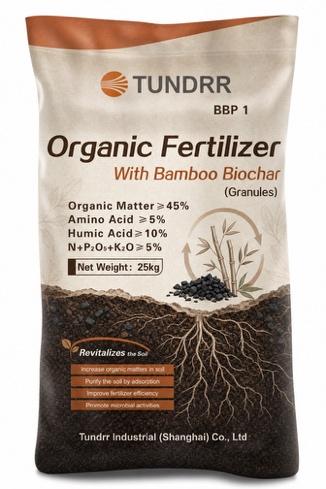
While chemical fertilizers deliver a quick nutrient boost, they often degrade soil structure over time, leading to compaction and reduced water infiltration. In contrast, organic fertilizers build humus and improve soil tilth, creating a loose, crumbly texture that holds moisture longer and allows roots to penetrate deeply. This physical transformation doesn't happen overnight, but after consistent use, the soil becomes a living sponge, sustaining crops through droughts and reducing irrigation needs.
The slow-release nature of organic nutrients aligns with plant growth cycles, minimizing runoff and nutrient loss. Synthetic fertilizers, on the other hand, are highly soluble and can wash away with heavy rains, forcing farmers to apply them more frequently. Over the years, this dependency can strip soils of their innate fertility, whereas organically fed soils accumulate a nutrient bank that feeds plants steadily, cutting input costs and easing environmental strain.
A less visible advantage is the microbial boom that organic matter ignites. Beneficial bacteria and fungi thrive on compost and manure, forming symbiotic relationships with roots, fending off pathogens, and unlocking stored minerals. Chemical-heavy regimens can disrupt this underground ecosystem, leaving crops more vulnerable to disease. By nurturing soil biology, organic fertilizers create a self-regulating system that grows more resilient with each season, making them the smarter choice for decades of harvests.
Turning Agricultural Waste Into Black Gold
In the heart of rural landscapes, a quiet revolution is brewing—one that sees value where others see waste. Farmers are turning crop residues, animal manure, and food scraps into a dark, crumbly substance humming with life: black gold. It’s not magic, but the alchemy of composting and carbonization, transforming what would have been burned or dumped into a powerhouse for soil health.
This rich, earthy material locks carbon in the soil, boosts water retention, and feeds hungry crops without the need for synthetic chemicals. Techniques like biochar production and aerobic composting are being embraced by local cooperatives, creating a circular economy that benefits wallets and the planet alike. The result is a tangible, regenerative loop—kitchen peelings fueling next season’s harvest.
Beyond the fields, the practice reshapes communities. Smallholder farmers gain resilience against climate swings, while urban rooftop gardens turn coffee grounds and leaves into thriving micro-farms. It’s a shift in mindset, from disposal to renewal, proving that the soil beneath our feet holds the key to both abundance and sustainability.
The Quiet Revolution Transforming Rural China
Across China’s sprawling countryside, a muted yet profound shift is underway. It’s not heralded by grand policy speeches or flashy headlines, but by the buzz of drones over rice paddies and the glow of smartphone screens in mud-brick homes. Young entrepreneurs, many of them university graduates, are returning to their ancestral villages, bringing with them digital skills that turn traditional farming into a data-driven craft. They’re live-streaming harvests from terraced fields, selling organic produce directly to urban consumers, and building micro-brands that bypass old supply chains. This quiet revolution is quietly redefining what it means to live and work in rural China.
The transformation is rooted in a steady accumulation of practical changes. Miles of new roads now snake through valleys once accessible only by foot, linking remote hamlets to high-speed internet and next-day delivery networks. Village warehouses hum with 3D printers crafting spare parts for machinery, while solar panels glint from rooftops. Farming cooperatives increasingly pool resources to afford smart irrigation systems, and shared electric tractors traverse fields once tilled by water buffalo. These silent upgrades—more functional than glamorous—are shrinking the gap between country and city life, creating a new kind of rural modernity that feels both organic and inevitable.
Beneath the practical shifts lies a cultural reawakening. As old folks revive forgotten weaving techniques for online boutiques, abandoned ancestral halls become boutique guesthouses. Ancient tea-making rituals attract curious visitors, and agritourism turns rice terraces into immersive experiences. The revolution doesn’t shout; it stitches together tradition and innovation with quiet confidence, allowing villages to retain their soul while embracing change. It’s a story not of rupture, but of renewal—a steady, under-the-radar reimagining of the countryside that might just offer a blueprint for sustainable rural futures worldwide.
How Smallholder Farmers Are Cutting Costs and Boosting Soil
Smallholder farmers often operate on razor-thin margins, so every dollar saved matters. Instead of buying expensive synthetic fertilizers, many are turning to homemade compost and vermiculture. By recycling crop residues, animal manure, and kitchen scraps, they create nutrient-rich soil amendments at virtually no cost. This shift not only slashes input expenses but also revives dead soils, improving water retention and structure. Over time, these practices build organic matter, reducing the need for costly external inputs while boosting long-term fertility.
Another overlooked strategy is seed saving and swapping. Rather than purchasing hybrid seeds each season, farmers are preserving local varieties that are often better adapted to local conditions. These resilient seeds require fewer pesticides and synthetic fertilizers, cutting costs while maintaining biodiversity. Combined with intercropping and planting nitrogen-fixing cover crops like pigeon pea or cowpea, the soil naturally regenerates. The result is a self-sustaining system that keeps money in farmers' pockets and restores degraded land.
Water management is also key. Simple, low-tech irrigation methods—like drip lines made from recycled plastic bottles or clay pot irrigation—drastically reduce water usage and labor. When coupled with mulching, evaporation drops, and the soil stays moist longer. Healthier soils with better structure then absorb and hold more water, making crops more resilient to drought. These cumulative changes allow smallholders to produce more with less, breaking the cycle of dependency on commercial agro-supply chains.
Beyond Yield: The Hidden Benefits of Going Organic
While conventional farming often fixates on bushels per acre, the organic approach nurtures a living soil that quietly outperforms its chemical-fed counterparts in ways that spreadsheets rarely capture. Beneath the surface, a teaspoon of healthy organic soil teems with billions of microorganisms, forming a dynamic ecosystem that improves water retention, reduces erosion, and steadily builds natural fertility. This subterranean vitality doesn’t just support crops during ideal seasons — it becomes a buffer against drought, heavy rains, and temperature swings that increasingly threaten harvests worldwide.
Above ground, the advantages compound in unexpected directions. Pollinators, those irreplaceable architects of food production, find refuge in organic fields where diverse plantings and absence of systemic pesticides create corridors of safety. Beneficial insects that prey on pests rebound, often reducing the need for interventions to near zero over time. Then there’s the nutritional nuance: a growing body of research suggests that crops grown without synthetic inputs tend to develop higher concentrations of certain antioxidants and phytonutrients — the plant’s own defense compounds — which may translate into richer flavor and subtle wellness perks for those who eat them.
Perhaps most overlooked is the resilience woven into the social fabric of organic agriculture. Small and mid-size farms that go organic typically rely on deeper local knowledge, on-farm composting, and community seed saving, creating a self-reinforcing loop that’s less dependent on distant supply chains. This localized wisdom preserves heirloom varieties and culinary traditions that would otherwise fade, while keeping more of the food dollar within the region. The hidden benefit, then, isn’t a single metric — it’s a system that regeneratively sustains soil, people, and palate long after the yield tally is forgotten.
FAQ
Organic fertilizer revives soil health by replenishing organic matter and beneficial microbes, reducing dependency on synthetic inputs. In China, where decades of intensive farming have degraded vast areas of arable land, it helps restore long-term fertility while cutting pollution from chemical runoff.
It lowers input costs by utilizing locally available waste materials like livestock manure and crop residues. Besides, it opens premium markets for eco-labeled produce, allowing smallholders to fetch better prices without relying heavily on expensive chemical fertilizers.
China has rolled out subsidies and technical training programs to encourage farmers to switch. Recent agricultural plans explicitly target reducing chemical fertilizer use and boosting organic alternatives, providing both financial incentives and infrastructure support for composting and biogas projects.
The main hurdles are slower nutrient release compared to synthetics, lack of reliable supply chains, and initial labor intensity. Many farmers also need practical knowledge about composting techniques and proper application methods to avoid yield dips during the transition period.
It’s most effective when integrated with other sustainable practices like crop rotation and precision farming. While pure organic systems may not match synthetic yields in the short term, balanced use with minimal chemicals can maintain productivity while rebuilding soil resilience for the future.
Advanced bio-fermentation using microbial inoculants, vermicomposting at scale, and converting food waste into nutrient-rich pellets are gaining traction. Some enterprises are even blending traditional materials with biochar to improve water retention and carbon sequestration.
By recycling organic waste instead of landfilling or burning it, methane emissions are slashed. Healthier soils also sequester more carbon, and replacing synthetic nitrogen fertilizers curbs nitrous oxide releases, making the whole farming cycle more climate-friendly.
It’s crucial to test soil first to understand nutrient gaps, then match the fertilizer’s carbon-to-nitrogen ratio and decomposition stage to the crop’s needs. Local climate matters too—compost works well in dry areas, while liquid organic feeds suit high-rainfall regions better.
Conclusion
China's farmlands, long strained by decades of chemical-intensive agriculture, are witnessing a quiet resurgence as organic fertilizers breathe life back into depleted soils. This shift goes beyond mere sustainability rhetoric—it's a practical response to declining yields and rising input costs. By converting agricultural waste such as crop stalks and livestock manure into nutrient-rich compost, farmers are transforming what was once a disposal problem into a valuable resource. This closed-loop approach not only cuts down on synthetic fertilizer expenses but also rebuilds soil organic matter, improving water retention and microbial diversity. In provinces like Shandong and Henan, smallholders are discovering that healthier soils lead to more resilient crops, reducing their reliance on expensive chemical inputs and creating a buffer against market volatility.
Yet the benefits extend far beyond balance sheets. Fields treated with organic amendments show better carbon sequestration, reduced nitrate runoff into waterways, and a revival of pollinators and soil biota. The change is particularly evident in the fruit and tea sectors, where produce quality and ecological stability are closely linked. This isn't a top-down mandate but a ground-up reimagining of farming, with cooperatives and local enterprises spearheading composting hubs that serve entire villages. While the transition requires a shift in timing and labor, the long-term gains—including steadier yields, lower disease pressure, and premium pricing for organic-certified goods—are compelling. As more Chinese farmers realize that nurturing the soil doesn't mean sacrificing productivity, the country edges closer to a food system that truly balances output with land stewardship.
Contact Us
Contact Person: Ellen Zhang
Email: [email protected]
Tel/WhatsApp: +86(21) 2287 6756
Website: https://www.tundrr.com/en/