

European-Type OEM Substations: Enhanced Power Solutions for Modern Grids
2026-01-15
As modern power grids evolve to meet increasing demands for efficiency and reliability, the role of substations has never been more critical. In this landscape, European-Type OEM substations offer a sophisticated solution, blending advanced engineering with seamless integration. At Lugao, we are at the forefront of this innovation, redefining what it means to deliver enhanced power solutions. This blog explores how these substations can transform your grid infrastructure, addressing modern challenges while optimizing performance. Join us as we delve into the features that set them apart and why they are essential for today's energy needs.
Optimizing Grid Resilience with European Substation Innovation
Across Europe, substation innovation is actively reshaping how power grids withstand and recover from disruptions. Modern substations are no longer mere nodes for voltage transformation but have evolved into intelligent hubs that integrate real-time monitoring, automated control systems, and advanced communication protocols. This shift enables utilities to predict failures, reroute power dynamically, and minimize downtime during extreme weather events or cyberattacks, thereby enhancing overall grid resilience in an era of increasing energy volatility.
A key driver of this progress is the deployment of digital substations, which replace traditional analog devices with microprocessor-based relays and sensors. These digital components provide granular data on equipment health and grid performance, allowing operators to detect anomalies early and perform predictive maintenance. For instance, in Germany, pilot projects use substation data analytics to optimize load distribution, reducing strain on aging infrastructure and preventing cascading outages, showcasing how innovation directly contributes to a more robust electricity network.
Looking ahead, European collaborations are pushing the envelope with innovations like modular and containerized substations, which offer faster deployment and scalability in response to growing renewable energy integration. By standardizing components and leveraging technologies such as IoT and AI, these solutions not only cut costs but also adapt flexibly to grid demands. This proactive approach ensures that substations remain resilient cores of the energy system, ready to support Europe's transition to a sustainable and secure power supply.
Tailored OEM Solutions for Diverse Energy Infrastructures
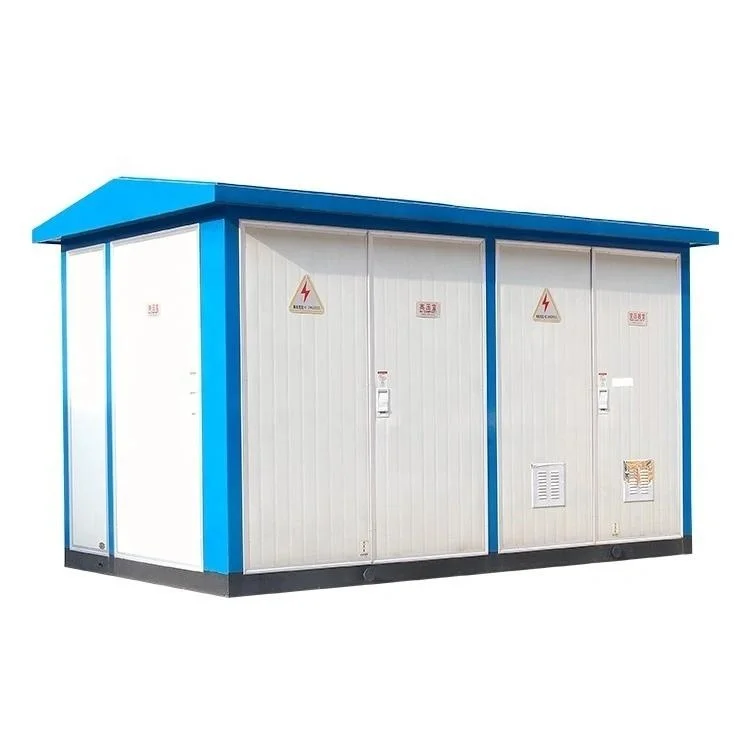
In today's complex energy landscape, one-size-fits-all approaches often fall short. That's where tailored OEM solutions come into play. By collaborating closely with energy providers and infrastructure developers, we design and manufacture components and systems that precisely match their unique requirements. Whether it's adapting to specific environmental conditions, integrating with legacy equipment, or meeting stringent regulatory standards, each solution is crafted from the ground up to enhance efficiency and reliability. This personalized engineering ensures that every part functions seamlessly within the larger infrastructure, minimizing downtime and maximizing performance.
The diversity of energy infrastructures—from traditional power grids to renewable energy farms and industrial complexes—demands a flexible and innovative approach. Our OEM services go beyond mere customization; they involve deep analysis of operational needs and strategic goals. By leveraging advanced technologies like predictive analytics and modular design, we deliver solutions that are not only robust but also scalable. This adaptability allows energy companies to future-proof their investments, whether they're expanding into new markets or upgrading aging systems. The result is a partnership that evolves with the industry's shifts, driving sustainable growth and operational excellence.
What sets our tailored solutions apart is the focus on holistic integration and long-term value. Rather than offering off-the-shelf products, we engage in continuous dialogue with clients to refine designs and address emerging challenges. This collaborative process fosters innovation, leading to breakthroughs in areas like energy storage optimization and grid resilience. Ultimately, this approach empowers diverse energy infrastructures to operate more efficiently, reduce costs, and contribute to a cleaner, more reliable energy future.
Integrating Smart Technologies into Advanced Power Networks
In today's rapidly evolving energy landscape, the integration of smart technologies into advanced power networks is reshaping how we generate, distribute, and consume electricity. By leveraging innovations such as IoT sensors and real-time data analytics, these systems enable more resilient grids that can self-heal during outages and dynamically balance supply with demand. This not only enhances reliability for consumers but also supports the growing influx of renewable energy sources like solar and wind, making our power infrastructure smarter and more sustainable in the face of global challenges.
One of the standout advantages lies in the ability to optimize grid operations through AI-driven algorithms that predict usage patterns and prevent potential failures before they occur. Imagine a network where smart meters communicate seamlessly with control centers, allowing for personalized tariffs and reducing energy waste. This level of integration transforms traditional power systems into interactive platforms, empowering both utilities and end-users to make informed decisions that cut costs and lessen environmental impacts, all while keeping the lights on more consistently.
Ultimately, the shift toward advanced networks equipped with smart technologies isn't just an upgrade—it's a fundamental rethinking of energy management. By embracing these tools, we pave the way for smarter cities, reduced carbon footprints, and a more adaptable power ecosystem that can thrive in an era of digital transformation and climate consciousness.
Enhancing Efficiency Through Modular and Scalable Designs
In today's fast-paced business landscape, achieving peak efficiency often hinges on designing systems that can adapt seamlessly to changing demands. Modular and scalable designs offer a powerful solution by breaking down complex processes into manageable, interchangeable components. This approach allows organizations to streamline operations, reduce redundancy, and accelerate innovation without overhauling entire systems.
Unlike rigid frameworks that quickly become outdated, modular designs empower teams to customize and upgrade specific parts independently. For instance, in software development, using microservices architecture enables developers to update features without disrupting the entire application. This flexibility not only saves time and resources but also enhances resilience, as issues can be isolated and addressed promptly.
Scalability further amplifies these benefits by ensuring that designs grow alongside organizational needs. Whether it's expanding infrastructure to handle increased user traffic or integrating new functionalities, scalable approaches prevent bottlenecks. This adaptability is key to staying competitive, as it supports both incremental improvements and rapid scaling to seize emerging opportunities.
Leveraging European Engineering for Sustainable Grid Evolution
European engineering prowess has long been at the forefront of grid innovation, blending centuries of technical heritage with cutting-edge research to tackle modern energy challenges. By drawing on this rich expertise, nations can transform their electrical infrastructures into resilient, efficient systems that support renewable integration and reduce carbon footprints. Collaborative projects across the continent, such as smart grid trials in Germany and cross-border interconnection initiatives, showcase how localized solutions can inspire global sustainability efforts, making grids not just functional but future-proof.
A key aspect of leveraging European engineering lies in its holistic approach, which combines rigorous academic frameworks with practical, on-the-ground implementation. Engineers and policymakers work in tandem to develop grids that are not only technologically advanced but also socially inclusive and economically viable. This synergy fosters innovations like dynamic load management and decentralized energy storage, enabling grids to adapt seamlessly to fluctuating demands and environmental conditions, ultimately driving a more sustainable energy transition worldwide.
Beyond technical feats, the European model emphasizes sustainability as a core principle, embedding it into every phase of grid evolution—from design and construction to operation and maintenance. By prioritizing long-term environmental and social impacts over short-term gains, this approach ensures that grid advancements contribute meaningfully to global climate goals. Examples like the integration of offshore wind farms and the use of AI for predictive maintenance illustrate how European engineering continues to set benchmarks for creating grids that are both robust and ecologically responsible, paving the way for a greener future.
Future-Proofing Networks with Customizable Power Hubs
Customizable power hubs represent a transformative shift in how we approach network infrastructure, offering a level of adaptability that standard solutions often lack. By allowing IT teams to tailor power distribution to specific needs—whether it's adjusting voltage outputs or integrating smart monitoring features—these hubs ensure that networks can seamlessly accommodate new technologies as they emerge. This flexibility means that as demands evolve, from increased data loads to the introduction of IoT devices, the power backbone remains robust and responsive, reducing the risk of costly upgrades or downtime.
What sets customizable power hubs apart is their ability to future-proof networks without forcing a complete overhaul. Instead of replacing entire systems every few years, organizations can incrementally modify hub configurations to support advancements like edge computing or renewable energy integration. This modular approach not only extends the lifespan of existing equipment but also promotes sustainability by minimizing electronic waste. By empowering users to fine-tune power parameters on-the-fly, these hubs foster a more resilient infrastructure that anticipates change rather than reacting to it.
In practice, this translates to networks that are both agile and efficient, capable of supporting diverse applications from cloud services to autonomous systems. Customizable power hubs enable precise energy management, optimizing consumption patterns to cut costs and enhance reliability. As industries push toward smarter, more interconnected environments, investing in such hubs becomes a strategic move to stay ahead of technological curves, ensuring that power delivery is never a bottleneck in innovation.
FAQ
European-Type OEM Substations are specialized power distribution systems built by Original Equipment Manufacturers, featuring modular, compact designs that prioritize efficiency and reliability compared to bulkier traditional substations in modern grids.
These substations incorporate advanced control systems and scalable modules, allowing for easier integration of renewables like solar and wind by managing variable power flows and supporting bidirectional energy transmission.
They often include enhanced insulation, reduced electromagnetic interference, and compact footprints, minimizing land use and improving safety in dense areas while lowering noise and visual impact.
Yes, OEMs typically offer customization options for voltage levels, automation features, and IoT connectivity to meet demands like smart grid monitoring, remote control, and predictive maintenance.
Their modular design allows for quicker installation and easier component replacement, while built-in diagnostics and robust materials help cut long-term maintenance expenses and minimize system outages.
Innovations include digital twin simulations for performance optimization, fault-tolerant architectures, and real-time data analytics to enhance grid stability and prevent disruptions in dynamic power environments.
By offering space-efficient, upgradeable solutions, they help retrofit old networks, alleviate congestion through efficient power routing, and extend infrastructure lifespan without major overhauls.
Conclusion
European-Type OEM substations represent a significant leap forward in modern grid infrastructure, optimizing resilience through innovative design and engineering. These solutions integrate smart technologies into advanced power networks, enabling real-time monitoring and adaptive control. By leveraging European engineering expertise, they enhance efficiency with modular and scalable designs that cater to diverse energy infrastructures, from urban centers to remote renewable sites. This approach not only tailors OEM solutions to specific needs but also future-proofs networks with customizable power hubs, ensuring long-term sustainability and reliability in an evolving energy landscape.
The focus on customizable power hubs allows for seamless integration of new technologies, such as IoT devices and AI-driven analytics, into existing grids. This adaptability supports sustainable grid evolution by minimizing waste and maximizing resource utilization. European-Type substations foster grid resilience by incorporating robust materials and advanced safety protocols, reducing downtime and enhancing overall performance. As global energy demands grow, these enhanced power solutions offer a versatile framework for modernizing infrastructure, addressing both current challenges and future uncertainties in power distribution and management.
Contact Us
Contact Person: Doreen
Email: [email protected]
Tel/WhatsApp: 8618057712366
Website: https://www.liugaopower.com/