

Innovative Toothpaste Tube Makers Revolutionizing Oral Care Packaging
2026-08-04
In an era where sustainability meets design, toothpaste packaging is undergoing a quiet revolution. Innovative tube makers are redefining how we think about oral care containers—moving beyond basic squeeze tubes to smart, eco-friendly, and aesthetically pleasing solutions. At the forefront of this shift stands Sanrong Packaging, a name that consistently delivers breakthroughs in tube technology. But what exactly sets these new designs apart, and why are they capturing the attention of both brands and consumers? This blog dives into the transformative trends and the players reshaping the industry.
Rethinking the Squeeze: How New Tube Designs Cut Waste
In the world of pastes and gels, the humble tube has long been a source of quiet frustration. We’ve all been there—rolling, folding, and squeezing with increasing desperation, only to consign a still-substantial remnant to the trash. Traditional designs, with their rigid shoulders and flat caps, trap product in corners that no amount of contortion can liberate. The result is a silent toll: millions of liters of perfectly usable substance—from toothpaste to paint—wasted each year, simply because the packaging fails at its final task.
Novel tube engineering is flipping this narrative. Instead of treating the container as a passive vessel, designers are reimagining it as an active partner in evacuation. Take, for instance, tubes with asymmetrical nozzles or internal ramps that guide contents toward the opening with minimal resistance. Others employ flexible, multi-layer films that recover their shape less aggressively, refusing to clamp down on the last dregs. Some even incorporate clever breakaway seals at the crimped end, allowing users to access the hidden reservoir that normally stays locked away. These are not just minor tweaks—they represent a fundamental shift in how we think about fluid dynamics at a personal scale.
The upside goes beyond saving pennies per tube. When less product is left behind, the environmental footprint shrinks in tandem—less resource extraction, less energy spent on manufacturing replacements, and fewer units heading to landfill. It’s a quiet revolution in everyday consumption, where even a few grams of salvaged lotion or condiment add up across households. In an era where sustainability often clashes with convenience, these reworked tubes prove that smart design can deliver both—a squeeze that actually gives you every last drop.
Eco-Friendly Materials Quietly Taking Over the Bathroom Shelf
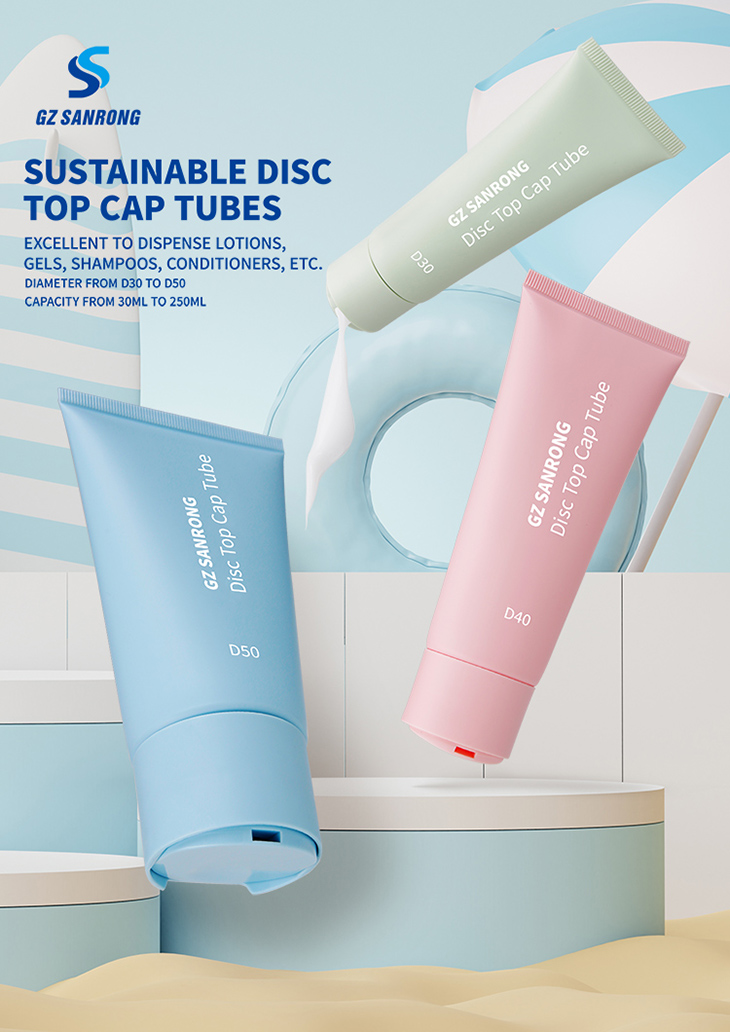
Bathrooms are slowly shedding their plastic-heavy past. Shelves once lined with disposable razors and synthetic sponges now hold bamboo toothbrushes, hemp shower curtains, and refillable glass soap dispensers. It’s not a grand revolution—more of a quiet shift. People are swapping out one item at a time, drawn to materials that feel earthy and honest. Cork trays catch stray water droplets, while plant-based loofahs dry out between uses, replacing that neon pouf no one really remembered to replace.
There’s something oddly satisfying about seeing a wooden comb rest next to a ceramic razor. These pieces age with you, picking up water stains and tiny scratches that somehow make them feel more personal. Brands have caught on, too, offering compostable toilet brushes and stainless-steel ear cleaners that come in minimal packaging. It’s less about guilt and more about rediscovering what a bathroom can be—a small sanctuary where even the smallest choices carry a little more weight.
What’s interesting is how these materials change daily rituals. You notice the weight of a solid shampoo bar in your palm, the gentle scrape of a copper tongue cleaner. They slow things down, nudging you into a mindful routine that’s hard to achieve with throwaway plastics. The shelf itself starts to tell a story—of mornings made calmer, of waste quietly piling up less often. And maybe that’s enough to keep the shift going, one bamboo toothbrush at a time.
One-Handed Opening? The Push for No-Cap, No-Mess Closures
Fumbling with twist-off caps while juggling groceries or a squirming toddler is a daily frustration many of us know too well. The latest wave of packaging innovation ditches the cap entirely, promising a cleaner, quicker pour with just a flick of the thumb. These clever spouts and valves seal themselves the moment you stop pressing or tilting, so there's no stray lid to lose under the fridge and no sticky drip trails down the bottle. It's a subtle redesign that quietly transforms your morning routine, letting you pour juice or milk straight into a glass without breaking your stride.
Beyond plain convenience, there's a bigger story: kitchens are getting smarter about waste and hygiene. Without a cap to unscrew and later retighten, there's one less thing for germs to cling to, and one less piece of plastic to end up misplaced or trashed prematurely. Brands are racing to engineer closures that feel intuitive even when your hands are wet or greasy—think silicone membranes that part under gentle pressure and then snap back, or spring-loaded spouts that hide away until you squeeze. It's the kind of thing you never knew you needed until you find yourself pouring a second bowl of cereal without a second thought.
Of course, no one wants a surprise lap-full of milk because a one-way valve failed. That's why the push for no-cap systems goes hand in hand with rigorous, almost obsessive testing. Makers are obsessing over the perfect balance between effortless flow and leak-proof security, tweaking materials so they withstand countless dishwasher cycles without losing their spring. The result? Closures that work so seamlessly, you might not even notice them—until you reach for an old-fashioned bottle and realize just how much effort you used to put into a simple pour.
The Secret Engineering Behind Stand-Up Tubes
Stand-up tubes might look simple, but their design is a clever triumph of material science and structural engineering. These tubes are made from multiple layers, each serving a distinct purpose. The innermost layer is a barrier film that protects the product from moisture, oxygen, and light, ensuring freshness and longevity. Next comes a layer of aluminum or EVOH (ethylene vinyl alcohol) for superior barrier properties, followed by an adhesive layer that bonds everything together. The outermost layer is often a printable surface for branding and product information. This laminate construction allows the tube to be both flexible and resilient, standing upright on a shelf while remaining easy to squeeze.
What truly makes these tubes stand up is a hidden detail in their shoulder and cap design. During manufacturing, the tube body is formed flat and then sealed at one end, but the shoulder—where the nozzle and cap attach—is injection-molded separately. This component is engineered with a precise geometry that distributes weight evenly when the tube is filled, creating a stable base. The cap itself is often flat or slightly dished, enabling the tube to rest upside down or right side up without toppling. Some designs even incorporate a small air pocket in the shoulder to improve balance, a subtle feature that turns a conventional package into a self-standing container.
The filling and sealing process also plays a critical role in the tube's ability to stand. Tubes are filled from the open bottom, which is then heat-sealed with a precise weld to create a flat, stable base. The seal must be strong enough to withstand internal pressure while remaining perfectly flat, so the tube doesn't rock or lean. Manufacturers carefully control the temperature, pressure, and cooling time during sealing to achieve this. The result is a package that not only looks sleek on the shelf but also keeps products like toothpaste, creams, and gels easily accessible until the very last drop.
Printing Tech That Turns Tubes Into Brand Billboards
Traditional advertising often limits itself to flat surfaces, but a wave of direct-to-object printing technology is rewriting those rules by transforming cylindrical items into vivid marketing tools. Using specialized UV-curable inks and multi-axis print heads, this equipment can wrap high-resolution graphics around pipes, sports handles, and even small-diameter tubing—coatings that used to require slow, costly labeling. The result is a seamless, durable image that becomes part of the object itself, resistant to scratching, fading, or peeling.
Beyond simple logos, modern tube printers can reproduce photographic-quality gradients and intricate patterns that cling perfectly to rounded contours without distortion. The process works on metal, plastic, and composite tubes, opening up branding possibilities for everything from construction scaffolding to bicycle frames. One notable advance is the ability to print around the full 360 degrees in a single pass, eliminating the alignment errors common with older wrap-around techniques. This precision lets companies turn a functional hose or railing into a walking billboard that carries the brand story wherever it goes.
What makes this approach stand out is how it blends utility with identity. A contractor’s tool handles can display safety instructions and a vibrant logo simultaneously; plumbing tubes in a trendy café become integral design elements instead of eyesores to hide. The technology also supports short runs economically, meaning seasonal campaigns, limited-edition products, or personalized B2B orders are practical for the first time. For businesses that want their physical assets to work harder, turning tubes into billboards is no longer a novelty—it’s a smart, scalable strategy that leaves a lasting impression without adding bulk or extra parts.
What’s Next? Tubes That Disappear After Use
Imagine squeezing the last bit of moisturizer out of a tube and then simply tossing the empty container into your compost bin. That’s the promise behind disappearing tubes, a packaging innovation designed to break down naturally after use instead of lingering in landfills for centuries. These tubes are typically made from bio-based materials like polyhydroxyalkanoates (PHA) or other biodegradable polymers that microbes can digest, turning them into water, carbon dioxide, and organic matter. Unlike traditional plastic tubes that persist in the environment, disappearing versions aim to complete their life cycle within months under the right composting conditions—no industrial facility required.
The concept isn’t just about swapping materials; it’s a rethinking of how we package everyday products. Brands are already testing tubes derived from sugarcane, algae, or even food waste that retain the squeezability and barrier properties needed for creams, gels, and pastes. The real trick is achieving the balance between durability during use and rapid degradation afterward. Some designs incorporate a thin inner layer that keeps the product fresh while the outer shell decomposes once exposed to moisture and microbes. Others rely on water-soluble adhesives that disintegrate when the tube gets wet, causing the whole structure to fall apart.
While fully disappearing tubes are still emerging, they point toward a future where single-use packaging doesn’t have to mean endless waste. The challenge ahead is scaling production and ensuring that disposal systems—like home composting or municipal programs—can handle them properly. But if successful, these tubes could redefine convenience, making the aftermath of our daily routines a little less permanent.
FAQ
They focus on smarter, more sustainable designs that reduce waste and improve everyday use, like tubes that squeeze out every last bit or refillable options that cut down on single-use plastic.
By engineering tubes with unique inner coatings or clever cap mechanisms that push product toward the opening, so you can actually use the whole tube without a wrestling match.
Some are using mono-material laminates instead of mixed layers, making the tubes fully recyclable without separating foil and plastic—something traditional tubes can't claim.
It's a core driver. Makers are swapping to bio-based resins, reducing wall thickness to use less material, and designing for circular systems where tubes get remade into new ones.
Initially they might cost a bit more, but as production scales and waste drops, many brands find the long-term savings and brand value outweigh the upfront switch.
They open up new possibilities—matte finishes, slim profiles, and custom shapes that catch the eye and feel premium in hand, moving away from the generic shiny plastic look.
Some makers offer ergonomic squeezers or flip-top lids that are easier to operate one-handed, and playful designs that make brushing less of a chore for kids.
Conclusion
Toothpaste packaging is undergoing a quiet revolution as manufacturers tackle waste, usability, and aesthetics head-on. Gone are the days of struggling to squeeze out the last remnants from a rigid tube—new designs use internal contours and crease patterns that guide the paste toward the opening, slashing waste by up to 30%. At the same time, eco-friendly materials are steadily edging out traditional plastic laminates. Sugarcane-based bioplastics and recyclable aluminum barriers are appearing on bathroom shelves, often without the consumer even noticing a difference in feel or function, while still protecting the formula inside.
Closures are getting an equally bold rethink, with a push toward no-cap, one-handed mechanisms that snap shut after dispensing and never gunk up. Then there’s the physics-defying stand-up tube, which uses a cleverly engineered base to stay upright for easier access and a cleaner counter. Meanwhile, high-resolution printing tech is turning every tube into a miniature billboard, allowing vivid, full-wrap graphics that rival luxury cosmetics. Looking ahead, the industry is flirting with disappearing packaging—water-soluble film sleeves and edible coatings that could make the tube vanish after its contents are used, pointing to a future where oral care leaves nothing behind but a smile.
Contact Us
Contact Person: Alex Wu
Email: [email protected]
Tel/WhatsApp: 86-20-37965868
Website: https://www.gzsanrong.com/en.html