
Must-Visit Cultural Attractions in Lijiang for an Unforgettable Journey
2026-07-24
Lijiang’s ancient streets whisper tales of centuries past, but beyond the postcard views lies a tapestry of living culture waiting to be explored. Among its must-visit cultural gems, Jade Water Village stands out—a place where Naxi traditions flourish amid serene springs and stone-paved courtyards. This journey through Lijiang’s most captivating sites reveals not just sights, but the soul of a region where every corner tells a story. Ready to step into a world where heritage breathes and memories linger long after you’ve left?
Wandering the Timeless Lanes of Lijiang Old Town
Step into Lijiang Old Town, and you step back in time. The stone-paved lanes, polished smooth by centuries of footsteps, wind between weathered wooden buildings with upturned eaves. Here, the rush of modern life dissolves into the gentle rhythm of splashing waterways that follow every street. As you wander without a map, you’ll stumble upon hidden courtyards draped in wisteria, locals chatting over tea, and the distant sound of Naxi music drifting through the air. This isn’t a museum piece — it’s a living, breathing community that has preserved its ancient heart while quietly embracing the present.
The magic of the old town lies not in its landmarks, but in its lanes. Sifang Street may draw the crowds, but slip into the narrow alleys branching off it and you’ll find a different world. Some lanes are barely wide enough for two people to pass, their flagstones uneven and moss-covered. Look for the small details: a carved god above a doorframe, the faint smell of woodsmoke, or an elderly Naxi woman in traditional blue apron selling homemade tofu from her doorstep. In the early morning, before the town fully wakes, the lanes belong to locals sweeping their stoops and the occasional horse clattering by with a load of vegetables — a scene that probably hasn’t changed much for generations.
What stays with you longest after leaving Lijiang is not a single sight, but the feeling of having wandered through a story. The old town invites a slower pace: pause at a canal-side teahouse, try to decipher the ancient Dongba pictographs on a shop sign, listen to the water wheels creaking near the Black Dragon Pool. Even the tourist shops, with their handmade silver and embroidered cloth, show a connection to craft rather than mass production. As dusk falls and lanterns sway against the darkening wood, the lanes take on a hushed intimacy. This is a place where the past isn’t roped off — it’s under your feet, in the breeze, and in the unhurried smiles of those who call it home.
Naxi Rhythms: Music, Dance, and Living Traditions
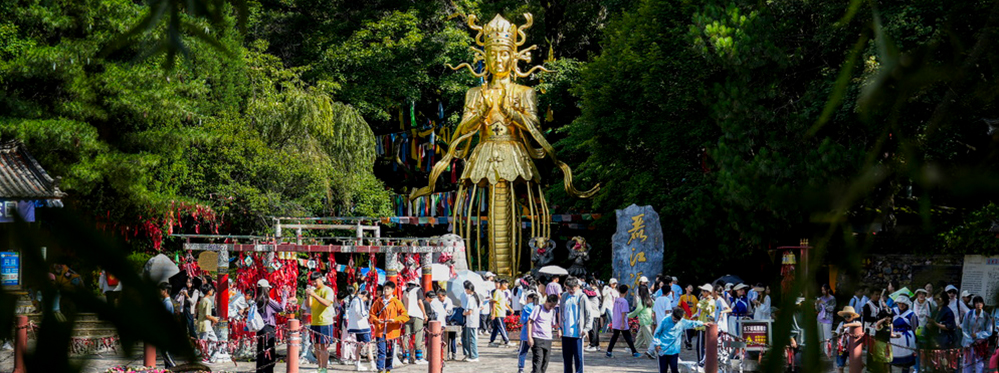
The Naxi people of southwestern China hold a deep-rooted musical heritage that flows through daily life, from the terraced fields to the courtyards of their ancient towns. Their traditional music, often led by the haunting strains of the wooden jew’s harp or the resonant notes of the lusheng, isn’t confined to the stage—it accompanies planting songs, harvest celebrations, and quiet evenings around the hearth. Each melody carries the imprint of the mountains and rivers, with rhythms echoing the hoofbeats of caravans that once traversed the Tea Horse Road. The famed Naxi ancient music, sometimes called a “living fossil” of Chinese musical history, blends Han Chinese instrumentation with local storytelling, preserving chants that date back centuries. In Lijiang, elders still gather to perform these slow, deliberate suites, their fingers tracing patterns that connect the present to an unbroken lineage of sound.
Dance among the Naxi is inseparable from their cycles of ceremony and community. The most vibrant expressions emerge during festivals like the Sanduo Festival, where villagers form circles that stretch into the night, their steps guided by bonfire light and the pulse of goat-skin drums. Movements are often drawn from nature—the sway of barley stalks, the flight of cranes—and mimic agricultural tasks such as sowing and winnowing, transforming labor into art. Ritual dances, performed by dongba priests, carry a more sacred purpose: they trace the mythic journeys of Naxi ancestors, donning masks and elaborate robes to bridge the worlds of spirits and humans. These performances aren’t merely preserved for tourists; they remain a living language through which the Naxi negotiate their relationship with the land, the divine, and each other.
What keeps these traditions alive isn’t a museum-like preservation but their constant adaptation to modern life. Young Naxi musicians fuse ancient melodies with jazz or electronic beats, sampling the throat-singing of their grandparents into tracks played in Lijiang’s bars. Meanwhile, village cooperatives maintain dance troupes that perform not only for cultural showcase but as a form of community identity and pride. Even as tourism reshapes the region, the rhythms persist in unexpected ways: a market vendor humming a work song, a child learning the moon dance from her grandmother in a public square. These threads of music and movement are not relics—they are the steady heartbeat of a people who continue to weave their past into the fabric of the everyday.
Jade Dragon’s Embrace: A Mountain of Myths
Wreathed in mist and crowned with ancient ice, this peak does not merely scrape the sky—it hums with the breath of slumbering gods. Locals speak of serpents carved from jade that coil around the summit, their scales glinting only when the moon hangs low, as though the mountain itself guards a secret older than the rocks it stands upon.
Every path winding upward tells a story, and travelers who wander here soon learn that the mountain chooses who may ascend. Footsteps echo oddly in the thin air, sometimes answered by phantom chimes that fade before the source can be found. The mountain’s embrace is not one of comfort, but of challenge—a quiet test where myths bleed into the cold wind, asking only that you listen.
At dawn, the entire massif takes on a greenish hue, as if the fabled jade dragon stirs beneath stone and snow, stretching wings that span the horizon. It is a place where the boundary between legend and landscape dissolves, leaving pilgrims and wanderers alike to wonder if they walk a mountain or a sleeping myth.
Black Dragon Pond: Where Nature Meets Legend
Tucked away in a secluded valley, the Black Dragon Pond feels like a place where the veil between worlds is thin. Its waters, a deep and shimmering obsidian, seem to hold secrets whispered by the wind through ancient pines. Locals say the pond never freezes, even in the harshest winter, as if a slumbering dragon's breath keeps it warm.
The legend tells of a mighty black dragon who once soared above these mountains, bringing life-giving rains to parched fields. When a terrible drought struck, the dragon sacrificed itself, its body dissolving into the earth to form this eternal spring. On misty mornings, you might still catch a glimpse of its coiled silhouette rippling beneath the surface, a quiet guardian of the land.
Surrounding the pond, moss-covered stones and delicate ferns frame the water like an ancient painting. The silence here is profound, broken only by the occasional splash of a fish or the distant call of a bird. Whether you come for the folklore or the breathtaking scenery, the Black Dragon Pond offers a moment of stillness that lingers long after you depart.
The Mu Palace: A Glimpse into Naxi Royalty
Tucked between the cobbled lanes of Lijiang’s old town, the Mu Palace unfolds like a forgotten chapter of the Naxi kingdom. Unlike the imposing structures of other Chinese dynasties, this wooden complex blends harmony with nature, as if it sprouted organically from the Jade Dragon Snow Mountain. Walking through its courtyards, you can almost hear the whispers of the Mu chieftains, who ruled here for centuries by balancing diplomacy, culture, and quiet defiance.
The architecture itself tells a story of convergence. Intricate carvings on the beams depict not just dragons but also local legends, and the layout mirrors traditional Naxi cosmology. One striking detail is the deliberate absence of outer walls—a subtle political statement that the Mu family would shield the valley without barricading themselves from the people. Inside, lacquered screens and fading murals reveal a thriving Silk Road crossroads where Tibetan lamas, Han scholars, and Bai caravans once mingled under the chieftains’ auspices.
What lingers after a visit is the sense of a living heritage rather than a sterile museum. The halls still echo with the twang of guzheng strings during intimate performances, and the gardens bloom with the same camellias that enchanted the chieftains’ consorts. It’s a place where the past doesn’t feel embalmed, but instead patched together with ongoing tradition—a rare encounter with Naxi royalty that sidesteps cliché and invites genuine curiosity.
Dongba Wisdom: Ancient Scripts and Shamanic Tales
The Dongba script, etched into the bark of trees and the pages of hand-bound books, is one of the last living pictographic writing systems in the world. Originating among the Naxi people in the foothills of the Himalayas, these symbols are far more than mere records—they are keys to a shamanic universe where every tree, gust of wind, and mountain peak hums with spiritual energy. Unlike linear alphabets, Dongba characters dance between the literal and the symbolic, often requiring a ritual context to unlock their full meaning. A drawing of a cloud might signify weather, but also a fleeting thought, a departing soul, or the breath of a mountain god, depending on its placement and the tones of the accompanying chant.
At the heart of this tradition stands the Dongba priest, a mediator between the human realm and the countless spirits that animate nature. These priests do not merely read scripture—they enact it, using the pictographs as mnemonic guides for elaborate ceremonies that can last days. The tales they tell are not fixed narratives but fluid retellings born from a deep oral tradition. One evening, a story of a hero slaying a serpent-demon becomes an allegory for purifying a village's water source; another night, it transforms into a healing rite for a child afflicted by night terrors. The wisdom lies in this very flexibility, a recognition that truth is not a static text but a living conversation between the visible and the invisible.
Despite centuries of pressure from dominant cultures and the digital age, Dongba wisdom is quietly adapting. In a dimly lit study in Lijiang, an elderly priest might now dictate a funeral chant to his grandson, who types it onto a tablet, creating a digital archive that can be shared with the diaspora without betraying sacred taboos. The essence persists not in pristine isolation but in its stubborn capacity to absorb the new without relinquishing the ancient pact: to remember that we are part of a wider community of beings, all whispering stories that deserve to be heard. A single Dongba character for “home,” for instance, juxtaposes a roof, a pig, and a woman—reminding us that dwelling is never just a place, but a symbiosis of shelter, sustenance, and the life-giving feminine, a profound insight wrapped in deceptively simple strokes.
FAQ
Lijiang's Old Town feels like a living maze of cobblestone streets and wooden buildings, but what truly sets it apart is the Naxi culture woven into every corner. The town is built around a clever water system that channels mountain streams past every doorstep, and there's no imposing city wall—locals say this is because the ruling Mu family's surname, meaning 'wood,' would be 'trapped' if fenced in. It’s a place where you can still hear the clack of weaving looms and taste homemade baba bread from a grandmother’s stall.
Definitely check out a Naxi Ancient Music show, often held in a beautifully weathered courtyard hall in the Old Town. The performers are mostly elderly men, some in their 70s and 80s, playing instruments like the suona and plucked pipa with a haunting, unhurried sweetness. It’s not a polished concert—it’s a living tradition that feels more like being invited into someone’s home to hear stories through melody.
Head to the Lijiang Dongba Culture Museum near Black Dragon Pool. It’s small but packed with manuscripts, shamanic tools, and explanations of the pictographic Dongba script—the only still-occasionally-used hieroglyphic writing system in the world. If you’re lucky, you might catch a researcher inking characters onto rough paper, and they’re usually happy to demonstrate how a simple drawing of a bird or mountain carries layers of meaning.
Rent a bike and pedal the few kilometers to Baisha Village, a quieter cousin of the Old Town. Here, elderly Naxi women in traditional blue caps still sit outside their stone houses sewing or selling sun-dried persimmons. Wander into a courtyard café run by a local family, and you’ll likely end up chatting with the owner’s grandparents about the old days, with a cup of butter tea in hand.
The Mu Mansion is a must. It’s a sprawling, ornate complex that was the seat of the Mu chieftains, who ruled Lijiang for centuries. The architecture blends Han, Naxi, and Tibetan styles, and walking through its halls you get a real sense of the power and taste of the local rulers. The carved wooden screens and rooftop views over the Old Town are quietly breathtaking.
Black Dragon Pool is the postcard scene come to life—jade-green water, a classic arched bridge, and the Jade Dragon Snow Mountain mirrored perfectly on a clear morning. But few visitors realize that the park also houses the Dongba Research Institute, where you can watch scholars preserve ancient texts. Go at sunrise for the reflection and stay to learn something unexpected.
The Baisha Murals are tucked inside a modest temple complex in the village. The paintings are a surreal mix of Buddhist, Taoist, and local Naxi influences, created over centuries by Han and Tibetan artists together. The colors have faded, and the rooms are dim, but that’s part of the magic—you feel like you’ve stumbled upon a secret history that’s still breathing. A little respect and quiet go a long way here.
Conclusion
Stepping into Lijiang feels like crossing a threshold into a living scroll, where ancient stone-paved lanes wind beneath carved wooden balconies and the scent of mountain air mingles with the distant sound of a Naxi flute. The Old Town is not merely a preserved relic—it is a breathing mosaic of tea houses, artisans, and slow-moving waters that mirror the Jade Dragon Snow Mountain looming protectively on the horizon. Here, the Naxi people’s musical heritage is inseparable from daily life; in tucked-away courtyards or moonlit squares, you might encounter the hauntingly beautiful "lost tunes" of the Tang dynasty, performed on instruments that have survived centuries. The rhythmic stomp of a traditional dance, often spontaneous, invites travelers into a circle that blurs the line between observer and participant. Overhead, the Jade Dragon, with its thirteen peaks and glacier-gleaming crown, presides like a silent deity, its mythology woven into every folk song and story—a reminder that nature and culture in Lijiang are one.
Beyond the labyrinth of cobblestones, Black Dragon Pond offers a stillness so deep that the mountain’s reflection seems more vivid than the mountain itself, framed by willow branches and a crescent bridge that legend says was built by a dragon in disguise. A short walk away, the Mu Palace complex rises with a quiet grandeur, its courtyards and halls telling the saga of a ruling family that governed with a blend of Confucian order and local shamanic spirit. But perhaps the most profound encounter is with the Dongba tradition—a world of pictographic scripts still written on handmade paper, guarded by shamans who chant myths of creation and healing. Holding a Dongba text, you feel the weight of a language that does not just record history but actively shapes the spiritual landscape. Each site, from the bustling market lanes to the silent prayer flags, layers a deeper understanding of a culture that has mastered the art of living between earth and sky. Lijiang’s treasures are not just to be seen; they ask you to stay, listen, and let the journey rewrite you.
Contact Us
Contact Person: Changhong He
Email: [email protected]
Tel/WhatsApp: 086-0888-5190152
Website: https://vip.e-baixing.com/ysh