

Precast Concrete Components Company Checklist Every Builder Should Use
2026-11-27
Builders often discover too late that a precast concrete component supplier's checklist is missing critical site-specific details. This post lays out the practical checks that actually prevent delays, rework, and budget creep. Use it before you commit—and see how GETO supports teams that plan for real-world conditions.
Start at the Yard, Not the Brochure
Brochures are built to flatter. The grass looks thicker, the fence looks taller, and the afternoon light always lands exactly where you want it. Standing in the actual yard tells a different story. You see the low corner where water lingers after a hard rain, the neighbor's shed that blocks morning sun, and the worn patch of dirt where a car has been turning around for years. None of that makes it into the photos, and all of it shapes how you'll actually live there.
Stay in the space long enough to notice the things a quick walkthrough misses. Listen for road noise, feel whether the wind cuts across the open lawn, and check how the ground slopes away from the foundation. Dig your heel into the soil if you can. A yard that looks simple on a printed page can feel completely different once you are standing in the middle of it with the sun on your neck and the neighbor's sprinkler hissing in the background.
Walk every edge before you start making plans. The back corner behind the garage, the narrow strip along the driveway, the spot under the old tree where nothing grows, those are the places that tell you what the yard actually wants to do. Read the site with your feet and your ears before you trust anything printed on glossy paper.
Quality Records That Go Beyond a Standard Mix Slip
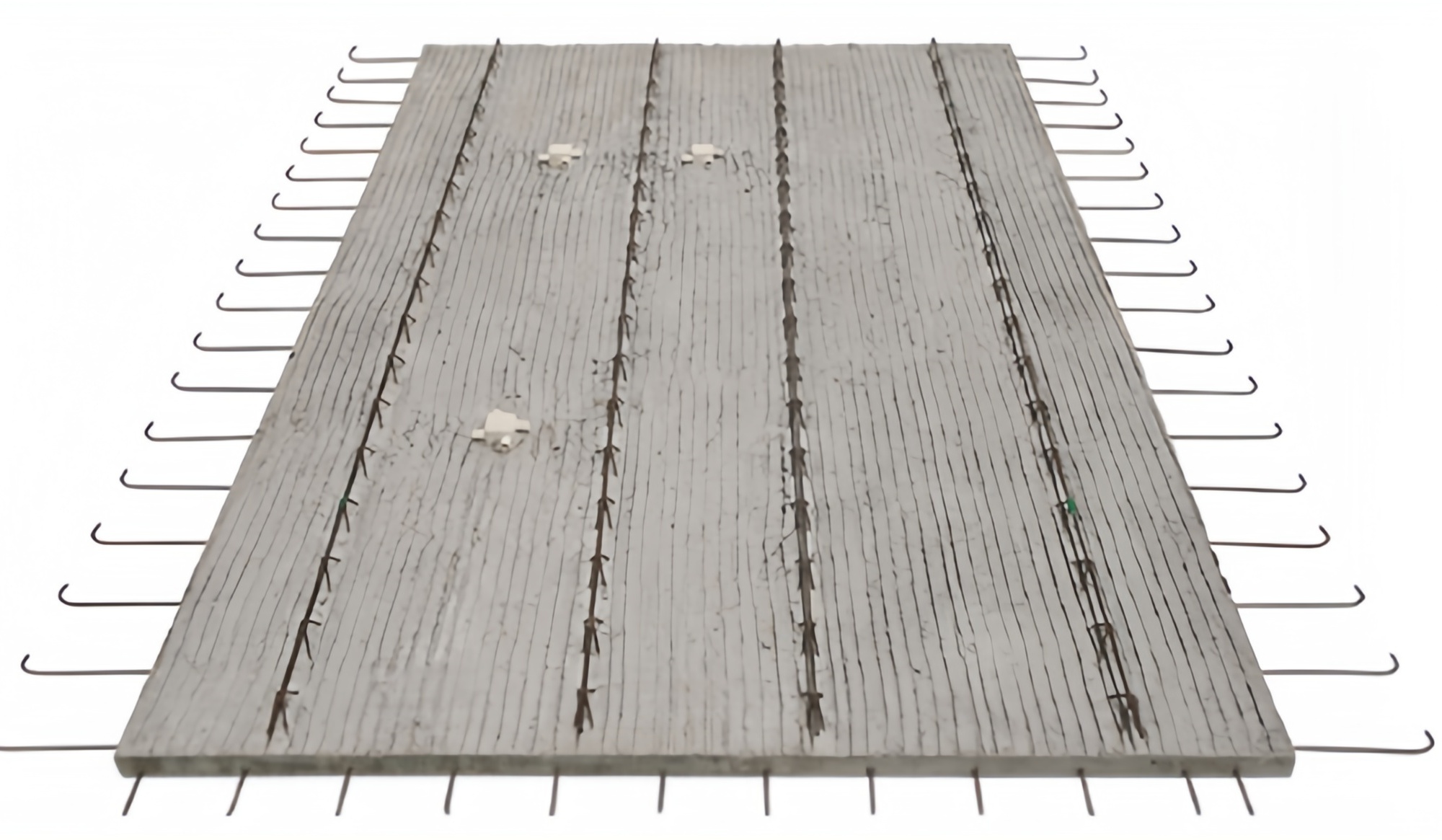
A standard mix slip tells you what was supposed to go into the batch. It rarely captures what actually happened between the weigh station and discharge. The records worth keeping add the operator's measured moisture correction, the actual screen size swapped in mid-run, and the pause that occurred when a feeder bridged. Those details turn a recipe into a usable history.
Concrete and asphalt plants, for instance, often rely on printed batch logs that confirm ingredient weights. But the more instructive entries appear in the margins: ambient temperature at 2 p.m., a short delay for truck traffic, or a handful of fiber added by hand because the automatic dispenser jammed. Writing those down takes discipline, yet it is exactly the kind of context that helps explain later strength or finish variations.
A better record also includes small decisions made under pressure. If a driver arrived with the wrong aggregate and the loader blended it with another stockpile, the mix slip alone will not show that adjustment. Recording it with initials, time, and a one-line reason keeps the quality file from becoming a clean fiction. That is the difference between documentation that merely satisfies a checklist and documentation that actually supports the next pour or production shift.
How Fast Can They React When Your Plans Shift?
Plans change for reasons that never announce themselves in advance. A supplier misses a deadline, a venue double-books, a key team member calls in sick. The question worth asking is not whether a partner will offer sympathy, but how quickly they can move from hearing about the shift to doing something concrete about it. Some teams freeze. Others start reworking the timeline before the call has even ended.
Speed matters less than clarity here. A fast reply that ignores half the details creates more work later. The partners who handle sudden changes well tend to ask a few sharp questions up front, confirm what cannot move, and then propose an adjusted path that keeps the core goal intact. They do not wait for a perfect plan; they send a workable one and refine it as new information arrives.
You notice the difference most when the original plan falls apart late in the process. That is when panic can spread quickly. Calm, immediate action stands out. It reassures everyone involved and turns a potential stall into a short detour rather than a full stop.
Delivery Timing That Respects the Site Schedule
Most teams plan around the site, not the other way around. The delivery windows here are built to match the actual flow of work on the ground, so materials arrive when crews are ready for them and never pile up in the way.
Instead of a generic morning drop that ignores what is happening on-site, the schedule adjusts to concrete pours, crane lifts, and shift changes. That quiet coordination means less double handling, fewer lost hours, and a cleaner laydown area throughout the week.
We also account for access restrictions, road closures, and the times when noise or congestion would slow everything down. The result is a delivery rhythm that feels less like an interruption and more like part of the day's plan.
Lifting Points and Handling Markings You Should Agree On
Before the crate leaves the shop, put the drawing in front of the supplier and mark the actual lift points together. A stenciled arrow that lands in the wrong spot turns a routine unload into a bent frame or a dropped panel. Agree on which eyes, lugs, and fork pockets are load-bearing, then have those locations initialed on the packaging layout so the crew on site is not guessing at the truck door.
Handling markings only help when they match the equipment that will actually show up at both ends. If the receiving yard has one 5-ton forklift and the crate says “spreader bar required,” that is not a warning; it is a delay. Walk through sling angles, center of gravity, and fragile faces that should never see a strap. Keep the marks simple enough to read from the ground, but specific enough that a night shift operator can tell the difference between a lift point and a tie-down point.
Once the points are agreed, tie the markings into the shipping documents and site photos. A picture of the painted arrows, rated lifting eyes, and stenciled “LIFT HERE” zone can save hours of phone calls later. If the load is repacked or reused in the field, update those marks before the next move so nobody inherits a drawing that no longer matches the crate.
What Support Looks Like After the Trucks Leave
Once the supply runs end and the satellite trucks fold up, most of the real work settles into smaller hands. A neighbor borrows a chainsaw from someone two streets over. A retired teacher shows up at the laundromat with garbage bags of clean socks. None of it makes the evening news, but it keeps people from falling through the cracks.
The help that lasts rarely announces itself. It is a county caseworker sitting at a kitchen table until a relief application is finished, or a church basement staying open late because three families still need a place to sleep. Progress slows, then stalls, then moves again for reasons that have nothing to do with bold promises.
Later, support looks like a schedule taped to a community center door, someone remembering which kid cannot have peanuts, or a contractor fixing a ramp for free and refusing to be thanked. Recovery is not a rally; it is a thousand unglamorous decisions made by people who decide to stay.
FAQ
Ask for their plant certifications and recent third-party audit results. If they hesitate or only share marketing brochures, that is a red flag. You want evidence that their curing, batching, and quality control processes have been reviewed by an outside body within the last year.
Look at their casting beds, crane capacity, yard space, and past jobs with similar dimensions. A company that mostly makes small vaults or barriers may not be ready for long double tees or heavy wall panels. Ask for a list of completed projects with component weights and lengths, then compare those to your own drawings.
Delivery reliability usually matters more because a late hollow core slab can stall framing, electrical, and finishes. A low bid that misses its window creates carrying costs and crew downtime. Ask for a realistic production schedule tied to pour dates and trucking availability, not just a promise.
Yes. Ask how they adjust mix designs for exposure, curing conditions, and structural requirements. You also want to know if they test for compressive strength, air content, and slump at their facility, and whether they will share batch tickets with you before shipping.
Shop drawings should show piece weights, lifting inserts, connection details, reinforcement placement, and tolerances. If the drawings are vague or missing information, site crews will spend extra time correcting fit issues. A good package also includes a piece mark schedule that matches delivery tickets.
Check their EMR, OSHA citation history, and whether they have a written rigging and lifting plan for each component type. Ask how they handle strip, storage, loading, and transport. A company that drills its yard crew on safe lifting is less likely to send damaged or dangerous pieces to your site.
Set the standard before the first pour. The checklist should require written procedures for cosmetic cracks, spalls, or dimensional issues, including who decides whether a piece is repaired or recast. If the company cannot explain that process clearly, you may end up fighting over unacceptable panels after they arrive.
Yes. A visit often reveals more than any brochure. Watch how they store finished pieces, label reinforcement, manage curing, and maintain forms. If the yard is chaotic or forms are worn, your project will probably inherit those habits.
Conclusion
A spec sheet rarely tells you how a precast supplier actually operates, so the first step is walking their yard before committing. Look at how stored panels are supported, whether edges are chipped from careless handling, and whether the casting beds and forms are maintained. Ask for quality records that go past the standard mix slip—batch tickets, curing logs, tensioning reports, and repair documentation should be available without a long email chain. Just as important is how the company behaves when drawings change. A supplier that goes quiet after a revision request or treats every dimensional shift as an extra-cost crisis will slow down the whole job. You want a team that flags conflicts early and offers workable adjustments instead of waiting until the panels are already cast.
On-site logistics matter as much as the concrete itself. Delivery windows should be tied to the erection sequence, not just a loose “sometime Tuesday” promise, and the driver should know where to stage without blocking other trades. Before anything leaves the plant, agree on lifting points and handling markings—panel weight, rigging locations, and orientation should be clearly painted or tagged so the site crew isn’t guessing with a crane in the air. After the trucks leave, support still counts. Confirm who to call for damaged pieces, missing embeds, or field modifications, and whether the supplier will send a technical person or only answer emails. That post-delivery response often reveals more about a precast company than any polished brochure.
Contact Us
Contact Person: Quanhui Nian
Email: [email protected]
Tel/WhatsApp: 8618070545691
Website: https://www.getoglobal.com/