
Private Label RFID Labels: The Ultimate Guide to Custom Branding and Smart Tracking
2026-05-06
Imagine a world where every product tells its own story—from warehouse to doorstep—without a single manual scan. That’s the power of private label RFID labels. As businesses race to stand out, custom branding meets smart tracking in a way that reshapes supply chains and customer experiences. In this guide, we’ll explore how you can leverage these tiny yet mighty tools to elevate your brand and streamline operations. At the forefront of this innovation is OSRFID, turning complex RFID technology into accessible, tailor-made solutions. Ready to unlock next-level efficiency? Let’s dive in.
Why Private Label RFID Labels Are More Than Just Stickers
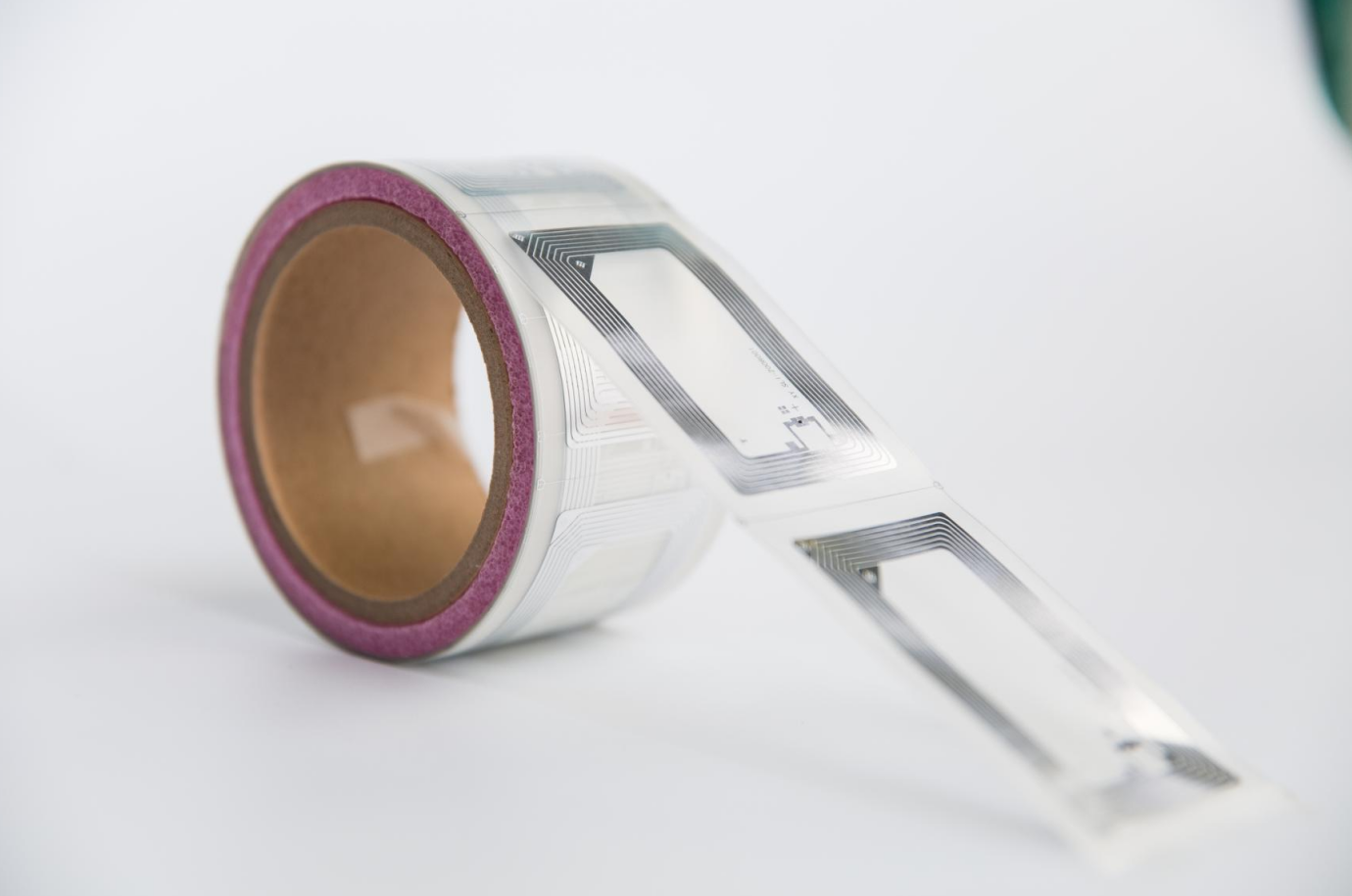
A private label RFID label is a brand's silent ambassador, doing far more than just sticking to a product. It embeds intelligence into every item, turning a simple tag into a gateway for real-time inventory visibility. Suddenly, a warehouse shelf isn’t storage—it’s a data point. A shipment isn’t a box—it’s a stream of location updates. These labels let companies weave their identity into the very fabric of their supply chain, all while maintaining a seamless, brand-appropriate appearance.
Beyond tracking, custom RFID labels become part of the customer experience. Imagine a luxury handbag that authenticates itself with a tap of a smartphone, or a pharmaceutical bottle that verifies its journey from factory to patient. The label is no longer a throwaway—it's a bridge between the physical and digital, offering tamper evidence, personalized content, and even post-purchase engagement. This transforms a cost center into a strategic asset, elevating the brand from commodity to trusted curator.
The real value lies in the data these labels unlock. Each scan feeds a live model of demand patterns, dwell times, and loss points—insights that generic tags can’t provide because they lack the context of private label encoding. By owning the tag design and chip configuration, a business shapes how it reads the world. The result is a sticker that’s also a platform, quietly powering smarter decisions long after the sale.
The Art of Custom Branding: Making Your Mark Invisibly
Custom branding isn’t about shouting your name—it’s the quiet confidence of a product that feels unmistakably yours without a logo in sight. It lives in the texture of the packaging, the rhythm of the copy, the subtle color shift that echoes your identity across every touchpoint. When done well, it’s invisible enough to feel effortless, yet deliberate enough to build recognition that lingers long after the interaction ends.
Think of it as the art of seeding memory rather than demanding attention. It’s the choice of a material that whispers quality, or a signature scent that greets customers as they unwrap a package. These subconscious cues don’t disrupt the experience—they shape it, creating a world where your brand is felt more than seen. This layer of design requires restraint: knowing which threads to pull so the story holds together without ever pulling focus.
True mastery means your imprint becomes part of the user’s routine, not an interruption to it. The button placement that feels intuitive, the tone of a notification that feels human—these are the invisible signatures that turn casual users into loyal advocates. In a landscape overflowing with noise, the brands that endure aren’t the loudest; they’re the ones woven so seamlessly into daily life that people can’t imagine it without them.
How Smart Tracking Turns Inventory Headaches into Opportunities
Managing inventory often feels like a constant battle against shortages, overstocks, and manual errors. Smart tracking changes this by bringing real-time visibility to every item, so you can stop reacting and start planning. Instead of scrambling to find misplaced stock or rushing to reorder at the last minute, teams can focus on what actually matters—keeping customers happy and operations smooth.
The real shift happens when data starts working for you. Instead of seeing scattered numbers on a spreadsheet, you get clear patterns: which products move fast, which ones gather dust, and exactly when to restock. This insight transforms dead stock into working capital and frees up space for high-demand items. It turns a messy, stressful chore into a strategic advantage that cuts costs and opens up room for growth.
Beyond the numbers, smart tracking makes everyday work simpler. Warehouse staff can locate items in seconds, sales teams have accurate stock counts at their fingertips, and customers get honest delivery timelines. The headache of inventory management fades, replaced by a system that actually supports your business rather than holding it back.
Material Matters: Picking the Right RFID Label for Your Product
The surface material of your product directly impacts how an RFID label performs. Conductive surfaces like metal can reflect radio waves, making standard labels unreadable. Specially designed on-metal labels with a foam or ferrite layer solve this by isolating the antenna. For liquid-filled items, which absorb signals, look for labels engineered to work in high-dielectric environments. Ignoring these factors leads to read failures and inventory blind spots.
Beyond the product itself, the label's substrate must withstand its operational journey. Will it face moisture, extreme temperatures, or abrasion? A paper-based inlay might suffice for a cardboard box in a dry warehouse, but a reusable plastic container exposed to outdoor storage needs a rugged synthetic face and marine-grade adhesive. Selecting the wrong material here can cause labels to peel, fade, or become unreadable long before the product reaches its destination.
Application method and lifecycle also influence material choice. A label meant for a one-time shipping label has different requirements than one embedded into a product for lifetime asset tracking. Consider whether it will be printed on-demand or pre-encoded, and if it needs to resist chemicals or UV light. Balancing cost with durability is key—over-engineering adds unnecessary expense, while under-specifying leads to system failure. Aim for a material that matches the precise physical and environmental demands of your unique use case.
Seamless Integration: Blending RFID Into Your Current Workflow
Bringing RFID into your daily operations shouldn’t feel like forcing a square peg into a round hole. Instead, it’s about weaving the technology into the fabric of your existing processes so that it amplifies what already works. Look at the touchpoints where information changes hands—inventory checks, shipping verification, asset tracking—and place RFID readers there as silent observers, capturing data without interrupting the rhythm of your team.
The key is to start small and let the technology earn its place. Pick one bottleneck or blind spot in your current workflow and introduce RFID there first. Maybe it’s automatically logging tools checked out from a crib, or scanning a pallet as it moves through a dock door. When your staff sees the manual logging disappear or the instant accuracy improve, they’ll naturally champion wider adoption. The hardware itself can fade into the background when you mount readers inconspicuously on conveyors, forklifts, or gateways, making the transition nearly invisible.
Don’t rip out your existing systems—bridge them. Modern RFID platforms often connect through APIs and cloud services, pushing data directly into the ERP, WMS, or custom dashboard your team already trusts. This means your purchase orders, work orders, and notifications stay consistent; they just get enriched with richer, real-time input. The shift becomes less about learning a new tool and more about finally having the right data at the right moment, without the friction of manual entry or line-of-sight scanning.
Beyond the Tag: The Future of RFID and Smart Packaging
RFID is no longer just a sticker that shouts an ID when scanned. Today’s tags act as a silent, persistent digital thread that can track a package’s journey from raw material to doorstep, logging location, temperature, and even shock events along the way. This shift turns a box into a living record, giving brands the ability to see not just where something is, but what it’s been through.
Meanwhile, smart packaging is learning to talk back to consumers. An embedded tag might trigger a personalized video on a phone, confirm a product’s authenticity, or guide someone through recycling steps. It’s packaging that doesn’t just hold a thing—it starts a conversation, adding a layer of trust and engagement that static labels could never offer.
Looking ahead, the real leap will be in closing the loop. RFID can help packaging become part of a circular economy—tracking refillable containers, verifying material recovery, and nudging people toward better disposal habits. The tag itself may one day dissolve or update its own lifecycle data, making waste a design flaw rather than an afterthought.
FAQ
They are RFID labels manufactured and customized to carry your brand's visual identity—logos, colors, and other design elements—while incorporating the tracking and data capabilities of RFID technology, essentially letting you brand the intelligent tracking solution itself as your own product.
You can tailor the face stock material, print your own graphics, choose label size and shape, and even specify the RFID chip type and encoding. This way, the label looks like a natural extension of your brand, rather than a generic add-on.
RFID enables real-time visibility into stock levels and locations without line-of-sight scanning, dramatically reduces human error, speeds up cycle counts, and helps prevent out-of-stocks and loss—all while providing data that can improve supply chain decisions.
Absolutely. The visual layer is fully brandable, from material and finish to printing. At the same time, you can choose the RFID inlay—frequency, chip type, memory size, and encoding—to match your application, whether it's UHF for retail, HF for library books, or specialty tags for harsh environments.
Not if you work with an experienced supplier who offers pre-encoded and tested labels. Most modern inventory and point-of-sale systems already support standard RFID protocols. You'll typically need to ensure your software can read the encoded data and that your readers are configured correctly, but a good label partner can guide you through the process.
They can store unique identifiers like serial numbers, model info, date codes, and even dynamic fields like ownership or status. When scanned, they provide instant access to a product's history, location, and authenticity, enabling everything from automated checkout to anti-counterfeiting measures.
Conclusion
Private label RFID labels break the mold of ordinary stickers by merging identity with intelligence. They carry your brand’s subtle signature while operating as silent data hubs that reshape how you see your inventory. It’s not just about sticking a tag on a box—it’s about embedding a layer of invisible branding that resonates at every touchpoint, turning a basic logistic tool into a quiet ambassador for your business. When you pair that with smart tracking, what used to be a messy, guess-filled inventory process becomes a stream of real-time insight, spotlighting bottlenecks and revealing patterns you never knew existed. That shift transforms daily frustrations into strategic wins, giving you the confidence to act rather than react.
But none of this lands without the right foundation. The material of the label itself has to live in your product’s world—whether it’s moisture, metal, or rough handling, the tag must endure without losing its voice. Once you’ve matched the label to the environment, blending it into your existing workflow shouldn’t feel like open-heart surgery; it’s about a gentle weave into what you already do, so teams adopt it without friction. Looking ahead, RFID is outgrowing the tag itself, bleeding into smart packaging that communicates condition, authenticity, and story long after the shipment leaves your dock. In this space, private label RFID is less about keeping up and more about standing out—quietly, efficiently, and unmistakably yours.
Contact Us
Contact Person: Esme Mo
Email: [email protected]
Tel/WhatsApp: 0086 191 2931 7837
Website: https://www.osrfidglobal.com/