

Professional Portable Ozone Machine: The Essential Tool for Odor Removal and Sanitization
2026-09-16
If you’ve ever scrubbed a car interior, treated a musty room, or deep-cleaned a pet area only to have the smell return within days, you already know that surface cleaners miss the real problem. Odors and bacteria don’t just sit on what you can see — they hide inside fabrics, vents, and every small gap where spray and elbow grease can’t reach. That’s where a professional portable ozone machine changes the game. Designed for serious odor removal and sanitization, the unit from LUFUTATECH works at the molecular level, neutralizing what triggers the smell instead of masking it. In this guide, you’ll learn exactly how it works, why portability matters, and what makes it the essential tool for professionals and homeowners alike.
How Portable Ozone Generators Break Down Stubborn Odors at the Source
When a portable ozone generator runs, it pulls surrounding air through a corona discharge or UV lamp, converting some of the oxygen (O2) into ozone (O3). That third oxygen atom is loosely bound and highly reactive. As the ozone drifts into fabrics, carpet fibers, and even the microscopic crevices of a car headliner, it collides with odor-causing molecules and tears them apart through oxidation. The result is not a masking scent but a permanent structural change in the compounds that produced the unpleasant smell.
Because these units are light and easy to move, you can place one directly inside a musty closet, a smoke-filled vehicle, or a room that smells of pet urine. The gas spreads passively, reaching places that sprays and wiping cloths never touch. After a treatment cycle, the O3 has converted many volatile organic compounds into simpler, non-odorous byproducts like carbon dioxide and water vapor. That is why a properly used ozone generator leaves a space smelling neutral rather than perfumed.
One practical note: while the machine is operating, the ozone concentration is high enough to irritate lungs, so it is best to run it in an empty room or car and then allow time for the ozone to break down back into ordinary oxygen before re-entering. Different materials and odor types respond at different speeds, but for stubborn smells such as cigarette residue, mildew, or deeply embedded cooking grease, a few focused sessions can make a noticeable difference. The ability to move the generator from a bathroom to a basement to a car trunk lets you treat each source on its own terms.
Choosing a Compact Ozone Machine That Fits Real-World Jobs
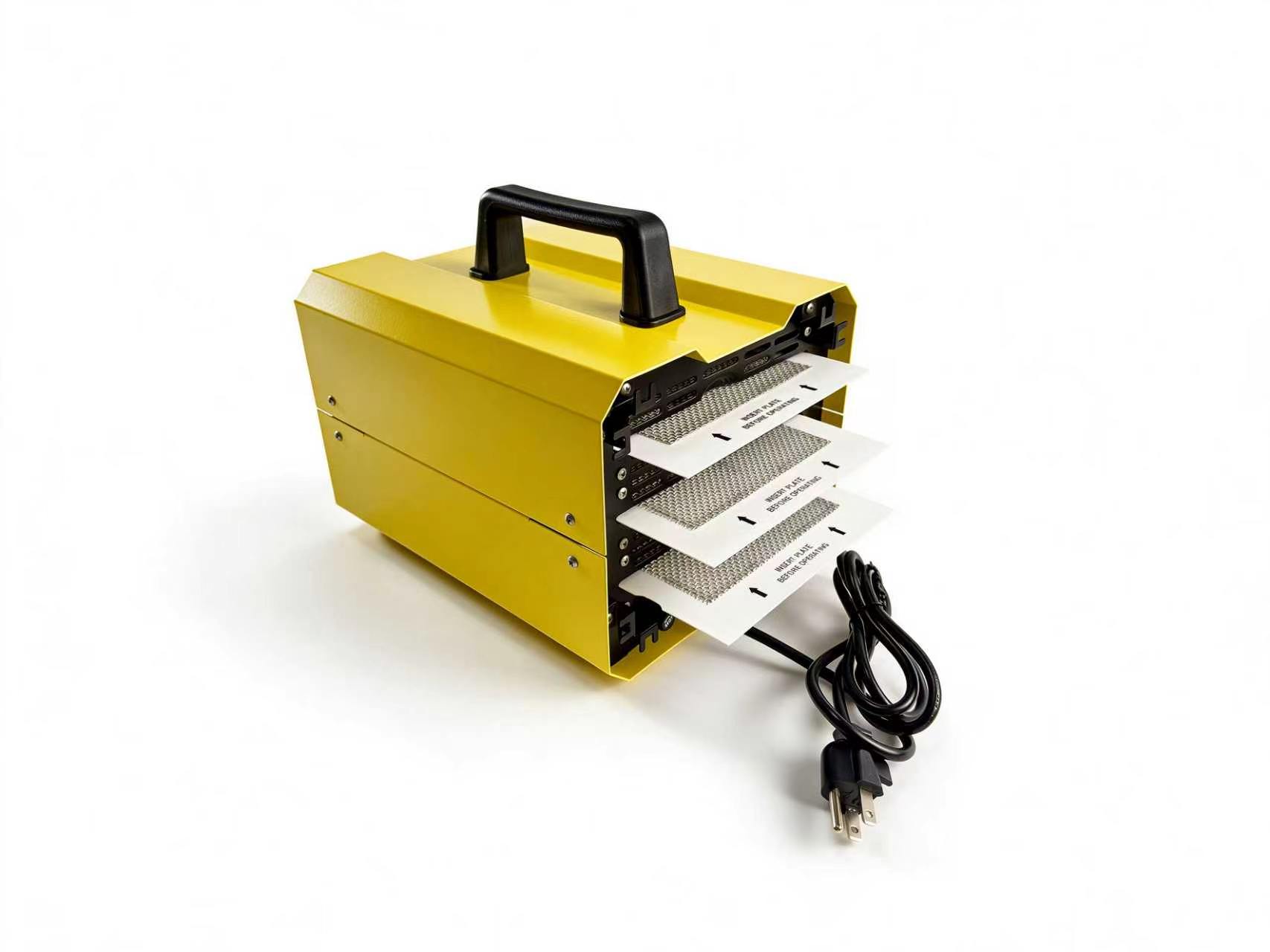
Most compact ozone generators look great on paper, but real-world use quickly separates the ones that can handle daily wear from the ones that end up in a drawer. Instead of chasing the highest milligram-per-hour rating, start by thinking about the actual spaces you will treat. A hotel room, a car interior, a small bathroom, or a storage closet all have different volume requirements, and oversizing usually just adds unnecessary noise and heat. Look for a unit that lets you adjust output in small steps rather than forcing a single blast of ozone that leaves the room unusable for hours. Simple dial or button controls are often more reliable than touchscreens when your hands are full or you are wearing gloves.
Portability is not just about weight, it is about how the machine behaves while running. A compact ozone generator should sit stable on uneven surfaces, have a handle or grip that does not get hot, and include a timer that actually switches the unit off instead of relying on you to remember. Pay attention to the cord length and whether the fan intake is on the bottom, because placing it on carpet or a soft seat can block airflow and cause premature shutdowns. In field work, you rarely have a perfectly flat countertop, so a machine that rattles or tips over at the slightest bump is more trouble than it is worth.
Finally, check the maintenance realities before you commit. Ozone plates or corona cells accumulate residue and need cleaning or replacement, and some budget models make that process unnecessarily difficult. A good compact unit will let you access the plate with a standard screwdriver and wipe it down in under five minutes. Also consider the noise level: a machine that sounds like a hair dryer will limit where and when you can use it, especially in occupied buildings or late-night jobs. The right choice is the one that quietly gets the job done without making you babysit it every step of the way.
What Ozone Does Inside Enclosed Spaces Beyond Surface Cleaning
Ozone works as a reactive gas that drifts into corners, fabric folds, and the narrow gaps behind trim where wiping never reaches. Once released, it doesn't simply settle on countertops or floors—it moves through the air, breaking down odor-causing molecules attached to upholstery fibers, carpet backing, and even the inside of ventilation grilles. The process is a slow oxidation, not a quick spray-and-wipe routine, which is why the space needs to stay sealed for a set period so the gas can do what liquids and cloths cannot.
Inside an enclosed room, ozone also alters the chemistry of airborne particles rather than just masking them. Smoke residue that has soaked into ceiling tiles or lingered inside ductwork gets neutralized at a molecular level, leaving behind a faint, clean smell instead of a heavy perfume. This matters most for spaces with soft materials—car headliners, curtain liners, or padded chairs—because ozone penetrates those porous surfaces without leaving moisture behind, reducing the risk of mold or mildew that often follows a deep wet cleaning.
One overlooked effect is how ozone interacts with the room itself, not just the items in it. It can reach behind baseboards, beneath appliance edges, and inside light fixtures where organic debris has accumulated for years. After the treatment, the air feels different—lighter, less stale—because the volatile compounds that caused that closed-up smell have been broken apart. Just remember that no people, pets, or plants should be present while the gas is active, and the space needs proper airing out before anyone returns.
Running a Portable Ozone Unit Safely in Homes Cars and Rentals
Before switching on a portable ozone unit in any living space, clear the area of people, pets, and houseplants. Ozone at the concentrations needed to neutralize odors will irritate lungs, so treat it like a fumigation step rather than an air freshener you run while cooking dinner. Set the timer for the shortest effective cycle—usually 30 to 60 minutes for a single room—and seal the door with a towel at the bottom. Once the cycle finishes, wait at least two hours before entering, then open windows and run a fan to flush the residual ozone. Rushing back in too soon is the most common mistake people make.
Cars present a tighter space, which means the ozone concentration climbs fast. You don't need a long run; 20 to 30 minutes is often plenty for a sedan or SUV. Park in a shaded spot, keep the windows up, place the unit on the floor mat or center console, and run the cord through a cracked window if it needs external power—just seal the gap with tape or a towel. After the cycle, air out the vehicle with all doors open for at least 30 minutes, and wipe down any surfaces that feel tacky. Watch for rubber seals and dashboard plastics; repeated or overly long treatments can cause them to degrade faster.
In a rental, the situation is trickier because you don't own the space and may not know how sensitive the materials are. Check the lease or host rules first; some rentals prohibit ozone machines outright. If you go ahead, treat only one room at a time, keep the HVAC fan off so ozone doesn't travel through ducts, and remove or cover anything leather, rubber, or artwork that might fade. It's also smart to warn neighbors if the unit's exhaust fan vents into a shared hallway. Afterward, air the rental for several hours and do a sniff test near fabrics and closets—if a chemical smell lingers, run a plain fan with open windows until it clears.
Why Professionals Reach for Ozone When Standard Cleaning Falls Short
Standard cleaning has its limits. Scrub as hard as you like, but soap and disinfectants can only reach the surface they touch. Ozone works differently. It doesn't need to be wiped on—it drifts into every crack, fiber, and corner as a gas, breaking down odors and contaminants at the molecular level. For professionals dealing with stubborn smoke damage, pet enzymes, or lingering mold spores, the difference isn't just convenience; it's the gap between masking a problem and eliminating it.
Another reason pros turn to ozone is that it leaves no chemical residue. Traditional cleaners often trade one issue for another: they kill bacteria but leave behind a film that can irritate skin or attract new dirt. Ozone reverts to plain oxygen after doing its job. That's why restoration crews and detailers rely on it for sensitive environments—vehicles, healthcare rooms, or vintage upholstery where a lingering fragrance or toxic byproduct would be unacceptable.
Finally, time matters on a job site. Hand-scrubbing every surface in a smoky hotel room or a flooded basement can take days, and the smell often comes back. An ozone generator can treat an entire closed space in a few hours, reaching what hands can't. It's not about replacing standard cleaning—it's about knowing when the usual tools aren't enough, and having a method that actually finishes the job instead of just postponing the complaint.
Portable Ozone Machine Setup and Timing Tips for Best Results
Placement matters more than most people expect. Keep the unit off the floor and away from walls so air can circulate freely around it. If you're treating a single room, shut the door and block any large gaps under it with a towel. For whole-home treatments, set the machine near a central return vent or in a hallway, and turn on the HVAC fan to help pull ozone into adjacent spaces. Just make sure people, pets, and houseplants are out first.
Moisture in the air can actually make ozone work harder, but too much humidity causes the gas to break down faster. Aim for around 50% relative humidity. If your space feels damp, run a dehumidifier for an hour before starting the ozone machine. In very dry climates, lightly misting a cloth towel and hanging it near the unit can nudge the output in the right direction without soaking the room.
Timing depends on room size and odor strength. For a small bathroom or car interior, 15 to 30 minutes is often plenty. Larger living areas with stubborn smells may need up to two hours, but don't overdo it. After the cycle finishes, open windows and let the space air out for at least 45 minutes before anyone goes back in. If you catch a faint bleach-like scent, wait longer. A good rule is to run shorter cycles more often rather than one marathon session that leaves everything smelling like an electrical storm.
FAQ
Most air purifiers trap particles on a filter, but they struggle with gases and deep odors. This device generates ozone that penetrates fabrics, cracks, and even wall cavities to oxidize odor-causing compounds. You move it from room to room, run a timed session, then ventilate.
Treat the space only when it is completely empty. Put pets in another room and keep children away. Once the cycle finishes, open windows and doors and wait at least half an hour for the ozone to convert back to oxygen. Only then is it safe to use the room again.
Pet urine odors go deep into carpet padding and subflooring, which is exactly what ozone handles well. You may need two or three shorter sessions for severe cases, and you should clean the stain first. But the lingering ammonia smell usually disappears.
A portable unit is ideal for vehicles. Close the windows, set the machine inside for twenty to thirty minutes, then air the car out. It also works in closets, bathrooms, offices, and hotel rooms. Just keep the space sealed during treatment.
Yes, ozone is a lung irritant, so nobody should be in the treated space while the machine is running. After the timer stops, ozone naturally breaks down into ordinary oxygen. Ventilating speeds this up and clears any remaining traces.
Ozone doesn't leave any chemical residue or strong fragrance. It reaches places you can't wipe, like inside upholstery and vents. However, it won't remove dirt or grime, so you still need to clean surfaces first. Think of it as a gas-phase sanitizer for air and hidden layers.
Very little. Keep the air intake clear of dust and occasionally wipe the outside with a dry cloth. Depending on the model, the ozone plate or filter may need replacement after many hours. Avoid using it in very damp areas to extend its life.
It depends on the room size and odor strength. A small bathroom might need only 15-20 minutes, while a large living room with heavy smoke damage could take two hours. Start with shorter sessions and repeat if the smell persists.
Conclusion
A professional portable ozone machine earns its place in any toolkit because it goes after odors the way standard methods cannot. Instead of masking smells with fragrances, the generator pumps out ozone that collides with odor molecules trapped in carpet fibers, headliners, or drywall. Those molecules oxidize and break apart, so the source of the smell stops existing rather than hiding under a coat of air freshener. For real jobs, compactness matters: a unit that slides into a back seat or tucks under a sink gets used, while a bulky one stays in the van. Ozone also drifts into places sprays and wipes never reach, treating the air inside an enclosed room or vehicle as a whole. That means smoke residue in ductwork or mildew behind trim panels gets hit with the same oxidizing action.
But running ozone safely takes more thought than pressing a button. In homes, cars, and rental units, the space must be unoccupied—people, pets, and plants out—because ozone is a lung irritant at high levels. A timer becomes the real control: short cycles for a car interior, longer ones for a musty basement, then open windows and let the space breathe before anyone returns. Professionals reach for this tool when routine cleaning leaves a lingering smell behind, whether it's a pet accident that soaked into subfloor or a hotel room that still carries stale tobacco. Setting the machine properly means placing it on a non-flammable surface, closing the room, and matching the run time to the cubic footage. The result is not just a fresher space but one that feels neutral again, which is what clients actually notice.
Contact Us
Contact Person: Paul Luo
Email: [email protected]
Tel/WhatsApp: 0086-19966314501
Website: https://www.lufutatech.com