

Reliable PCB Assembly: How to Choose the Right Partner for Flawless Electronics
2026-06-10
Every flawless electronic device starts with a reliable PCB assembly partner, but finding one isn't always straightforward. With TPS, you gain more than a service—you unlock a partnership built on precision, transparency, and a deep understanding of what makes electronics truly dependable. In this guide, we’ll walk you through the key factors to consider so your next project doesn’t just function—it excels.
Beyond the Quote: What Lurks Beneath Cheap PCB Assembly
That rock-bottom assembly quote often masks a trail of compromises you can’t see until your boards fail in the field. The first thing to go is usually component sourcing—when margins are razor-thin, gray-market or recycled parts start appearing on reels, bringing unpredictable lifespan and out-of-spec behavior that no visual inspection catches.
Then there’s the process itself. Rushed ovens, skipped thermal profiling, and minimal AOI calibration mean tombstoned passives and head-in-pillow BGAs slip through far more often. You might save 30% on the invoice, but when you factor in debugging, rework, and dead units that erode customer trust, that “bargain” was anything but.
Certifications Aren't Just Paper: Why IPC Standards Matter
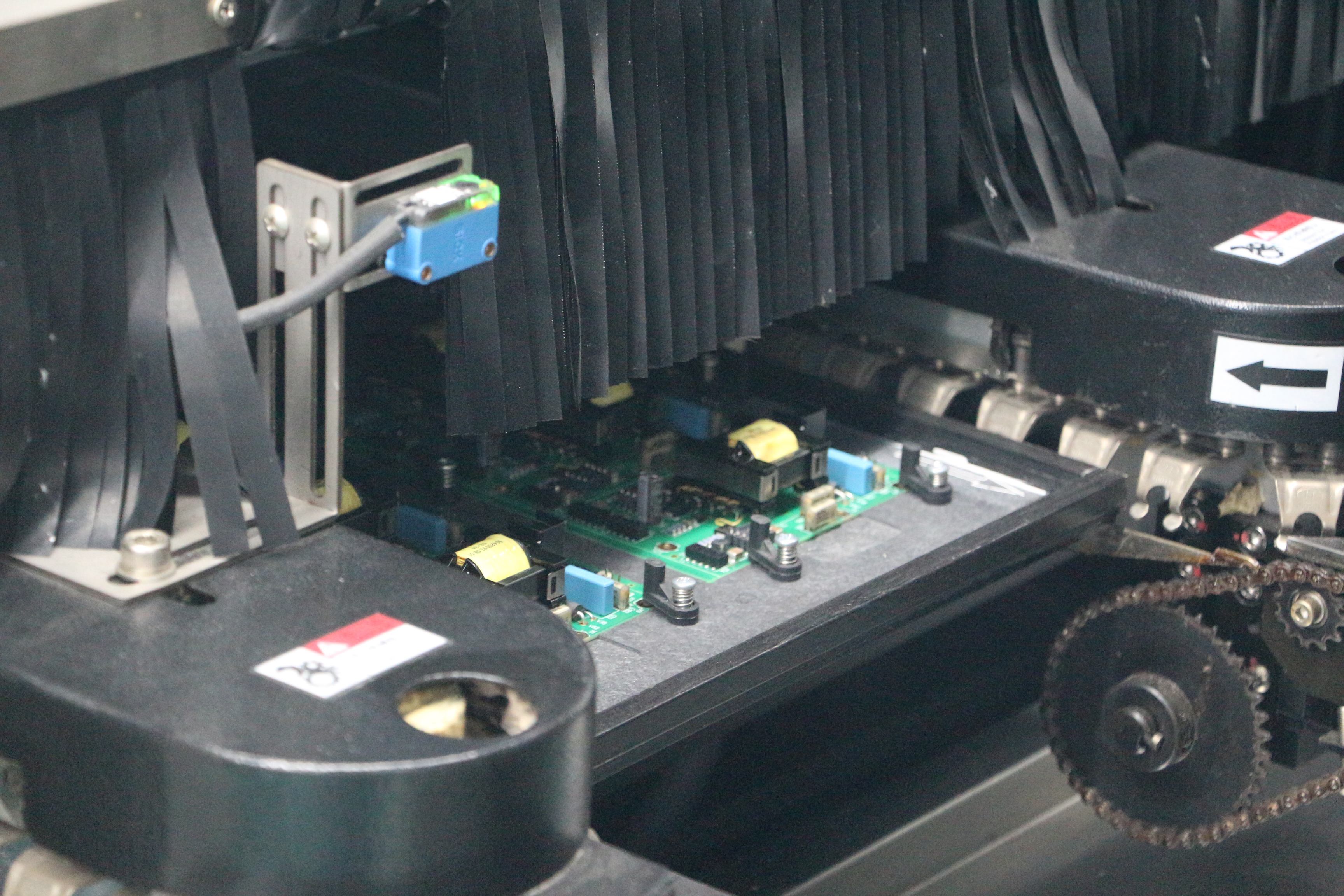
When we talk about electronics manufacturing, IPC standards often get reduced to a piece of paper on the wall. But that document represents something far more tangible: a shared language between designers, fabricators, and assemblers. Without it, every project becomes a game of telephone—assumptions get lost in translation, and the final product suffers. IPC-6012 for rigid boards or IPC-A-610 for acceptability criteria aren’t just checklists; they’re the result of decades of industry consensus on what “good” actually looks like. A fab shop holding J-STD-001 certification isn’t simply displaying a badge—it’s committing to solder joint reliability that field data links to lower infant mortality rates in the finished device.
The practical weight of these standards shows up when things go sideways. Picture a contract manufacturer who skips regular IPC training: their operators might interpret “minimum acceptable” differently over time, leading to batch-to-batch variations that no incoming inspection catches. Conversely, a facility genuinely invested in IPC-610 classes doesn’t just pass audits—it builds a culture where technicians catch cold joints before they leave the line. That’s the difference between a cert that collects dust and one that drives down rework costs. Engineers who’ve worked both sides of this divide can spot it instantly: one environment treats specs as a ceiling, the other as a floor.
Beyond internal quality, standards bridge the gap between your team and external partners. When you send a board design out for fabrication, specifying “per IPC-6012 Class 3” isn’t just a formality—it’s a contract. It tells the vendor exactly how you’ll measure acceptability, from annular ring requirements to dielectric spacing. This precision removes the guesswork that can inflate quotes or delay deliveries. In high-stakes fields like aerospace or medical, that clarity isn’t optional; it’s what keeps a visual inspection from turning into a failure analysis investigation. The cert may live in a frame, but its value lives in the consistency it puts into every shipment.
The Supply Chain Reality Check: Component Sourcing Secrets
Most teams treat component sourcing like a shopping list—find the part, compare prices, place the order. But seasoned supply chain managers know the real work begins months before a purchase order ever gets cut. A part's availability can swing wildly based on a single factory's output in a distant region, and even the most reliable supplier can hit an unexpected snag. The trick isn't just tracking lead times; it's understanding the subtle signals—a slight delay in a sub-component, a shift in raw material tariffs—that can cascade into a full-blown shortage. Without that granular awareness, you're essentially gambling with your production line.
Here's a less-talked-about move: treat your suppliers less like vendors and more like partners in crime. The ones who'll tip you off about an impending silicon crunch aren't the distant, transactional contacts—they're the relationships you've nurtured over years, where trust flows both ways. That means sharing your own demand forecasts honestly, even when they're messy, and sometimes accepting slightly worse terms to keep a supplier afloat during their lean patches. The payoff? When a critical microcontroller suddenly goes scarce, you're at the top of the allocation list, not scrambling in the dark.
Then there's the testing pitfall that trips up even smart operations. A component can pass all the datasheet checks and still fail in your specific application because of environmental nuances—humidity, vibration, or just a batch variance. Building a small-scale, in-house validation protocol isn't glamorous, but it spares you the horror of a field recall. Combine that with a habit of stockpiling not just parts, but also the documentation and firmware history, and you've got a sourcing strategy that handles reality's curveballs without crumbling.
Quality Control: More Than a Quick Visual Check
Quality control is often misunderstood as a cursory glance at finished products, but true quality assurance demands a far more rigorous and integrated approach. It begins well before the production line starts, embedding checks into every stage of the process. From raw material inspection using advanced analytical tools to in-process monitoring with statistical methods, each step is designed to catch deviations before they become defects. This proactive stance transforms quality control from a reactive gatekeeper into a strategic driver of operational excellence.
Beyond the visible surface, modern quality control employs techniques like tensile testing, spectrophotometry, and thermal imaging to assess structural integrity, composition, and consistency. These methods uncover issues that a simple visual check might miss—microscopic cracks, chemical imbalances, or irregularities in density. By combining automated sensor data with expert human analysis, teams can detect patterns and predict failures, ensuring that every unit not only looks right but performs reliably under real-world conditions.
Moreover, effective quality control is inseparable from a culture of continuous improvement and traceability. Detailed documentation and root-cause analysis turn each nonconformance into a learning opportunity, feeding back into design and training. It’s a dynamic loop where feedback from the field, customer usage data, and internal audits sharpens standards over time. In this light, quality control is never just about ticking boxes; it’s an ongoing commitment to craftsmanship and trust that a quick visual check could never fulfill.
Communication Red Flags: When Your Partner Goes Silent
Silence can be a heavy weapon in a relationship, cutting off the flow of connection when you need it most. When your partner clams up during a disagreement or withdraws without explanation, it isn't just a pause—it's a signal that something deeper might be off. The quiet can feel like a door slamming shut, leaving you stranded on the other side, wondering what you said or did wrong.
This kind of retreat often goes beyond needing space to cool down. It becomes a pattern that breeds confusion and resentment, because issues never get aired out. You’re left filling in the blanks with your own anxieties, and that imaginary script is rarely kind. Over time, the absence of their voice can feel louder than any argument, chipping away at the trust and safety you’ve built.
Spotting this red flag means recognizing the difference between a moment of quiet reflection and a stonewalling strategy. If your partner consistently dodges tough conversations or punishes you with silence, it’s a barrier to genuine intimacy. A healthy bond requires two people willing to stay in the room, even when it’s uncomfortable, because disappearing emotionally leaves a relationship gasping for air.
Prototyping to Production: The Scalability Stress Test
Moving from a sleek prototype to a battle-ready production system is rarely a smooth glide. The real turbulence hits when user counts jump from dozens to thousands, and the shortcuts taken during rapid development start to buckle under real loads. Database queries that once ran in milliseconds now stack up into serialized queues, memory caches overflow, and third-party APIs you relied on suddenly impose rate limits you never planned for.
This isn’t just about adding more servers. True scalability stress tests expose hidden architectural flaws—like chatty microservices that saturate internal networks or monolithic authentication steps that become chokepoints. Teams often discover that their elegantly designed data pipelines fragment under concurrent writes, turning a once-clean prototype into a puzzle of synchronous locks and delayed consistency.
Surviving the transition means embracing pragmatic chaos. It’s about simulating spike traffic before it happens, profiling memory leaks that only surface after hours of uptime, and gracefully degrading non-critical features instead of crashing entirely. The prototyping phase romanticizes clean code; production demands resilient systems that can sleepwalk through failures at 3 a.m.
FAQ
Look beyond the basics—evaluate their engineering support, quality certifications (like IPC standards), and ability to handle complex designs. A partner that proactively suggests design for manufacturability (DFM) improvements shows they care about your product's success, not just shipping boards.
Request a tour of their facility or a detailed process document. Pay attention to inspection methods—automated optical inspection (AOI), X-ray for BGA, in-circuit testing (ICT). Ask how they handle non-conformances and track defect rates. A trustworthy partner will be transparent.
Vague communication, hidden fees, reluctance to share process details, or lack of specific industry experience are major warnings. If they promise unrealistic lead times without explaining how they maintain quality, think twice.
It depends on your priorities. Local partners offer easier communication, faster shipping, and often stronger IP protection. Overseas options may reduce costs but can introduce risks like longer lead times, cultural barriers, and quality inconsistencies without rigorous oversight.
Critical. A reliable partner should disclose component sourcing (avoiding counterfeit parts), provide lot traceability, and have contingency plans for shortages. Without transparency, you risk production delays and compromised reliability.
Yes. A partner that offers rapid prototyping with thorough DFM feedback demonstrates attention to detail and a problem-solving mindset. If they cut corners during prototyping, they likely will in volume production too.
Conclusion
Finding a reliable PCB assembly partner demands looking far beyond the initial quote. Low prices often hide hidden costs—substandard materials, rework expenses, or delays that can cripple a product launch. Certifications like IPC-A-610 and J-STD-001 aren't just wall decorations; they reflect a manufacturer's commitment to consistent workmanship and long-term reliability. Equally important is a transparent supply chain. Ask tough questions about component sourcing: how they avoid counterfeits, manage shortages, and maintain traceability. A partner who openly shares their vendor relationships and inventory strategies is far more likely to deliver boards that work as intended, without nasty surprises down the line.
Quality control must go well beyond a simple visual glance. Advanced inspection methods—AOI, X-ray, and in-circuit testing—catch defects that human eyes miss, protecting you from field failures. But even the best processes can't compensate for poor communication. If a partner goes radio silent during early discussions or brushes off your concerns, that pattern rarely improves during production. Finally, examine their ability to scale. A shop that excels at prototyping might crumble under the demands of volume manufacturing. True reliability means they've proven they can maintain quality, consistency, and delivery schedules whether you need fifty units or fifty thousand.
Contact Us
Contact Person: Lily
Email: [email protected]
Tel/WhatsApp: +49 (0) 2161 49526-0
Website: https://tps-elektronik.com/en/