
Snapback Caps Factory Guide to Finding Reliable Custom Hat Manufacturers
2026-08-22
Most guides to finding a custom hat manufacturer read like they were written by someone who’s never had to chase a late shipment. This one won’t. If you’re sourcing snapback caps and tired of vague promises, you need a vetting method that actually works. 4ugear has spent years inside that process, and we’re laying out the exact steps to separate dependable suppliers from costly mistakes.
What a Snapback Factory’s First Reply Reveals About Their Real Business
Most buyers skim a snapback factory's first email looking for price and lead time. But the way that reply is written usually tells you more than the numbers. A factory that opens with a long list of certifications and vague promises about "high quality" before even asking what style you need is often hiding a thin production line. Real manufacturers tend to jump straight to technical questions: panel count, closure type, brim curve, fabric weight. If none of those show up in the first message, you're probably talking to a trading company that will merely forward your order to someone else.
Watch what gets glossed over. A reply that says "we can do custom snapbacks, minimum 100 pieces, send logo" but never mentions sample turnaround time or how many revisions are allowed is a red flag. That usually means they work from existing molds and just slap your embroidery on a stock cap. True custom factories will volunteer details like exact visor stitching method, sweatband material options, or whether the snap closure is imported or made in-house. When those specifics are absent, the business is about reselling blanks, not crafting headwear from scratch.
Another tell is how they handle the question of past clients. A factory confident in its own production will say something like "we currently run weekly orders for three streetwear brands in Japan, here's our base cap weight and standard color card." A middleman will dodge with "we have many customers all over the world" and then push you to confirm quantity fast. The first reply is never just an introduction. It's a window into whether they control their own sewing floor, or just control a mailbox.
Sampling Beyond the Logo: Testing Brim Curve and Snap Closure Quality
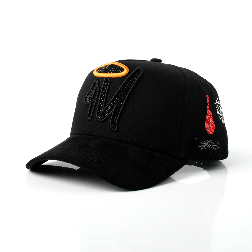
A logo can sit perfectly centered, yet the cap still fails the moment it's worn. That's why our sampling process ignores the front embroidery until the structural details earn their place. We start by tracing the brim curve with a flexible template, checking the arc against the original spec sheet at three separate points. If the bend feels too flat or too aggressive, the sample gets rejected before any snap is even touched.
Snap closure testing follows a different rhythm. We open and close each snap thirty times, listening for the crisp click that signals a secure lock. But sound alone isn't enough—we also measure the pull force needed to release it, making sure it stays within a narrow tolerance. A snap that's too loose will pop open during normal wear; too tight and customers struggle to adjust the fit. Every sample must pass both sides of that balance.
The real test happens when the brim curve and snap work together. We place the sample on a head form, adjust the size to the middle snap, and check for any distortion along the side seams. A well-made cap holds its silhouette without pulling or puckering. Only after this combined check do we finally look at the logo—because if the structure isn't right, the branding doesn't matter.
The Embroidery Density Test Most Buyers Skip Until It’s Too Late
When you're placing an embroidery order, it's easy to get caught up in thread colors, logo placement, and turnaround time. Density rarely makes the conversation. That's a costly oversight. Stitch density—the number of stitches packed into a square inch—determines whether your logo looks crisp or cheap, holds up after fifty washes, or starts puckering around the edges. Too low and the fabric shows through, making the design look faded from day one. Too high and the thread bunches up, warping the garment and even snapping needles mid-run. Most buyers don't notice until the finished pieces land on their desk, and by then, the invoice is already paid.
Here's the part nobody tells you: a digital mockup can hide density problems completely. On screen, even a sparse stitch fill looks solid. But cut open the backing or run your thumb across the actual embroidery and the gaps become obvious. I've seen buyers approve a sample photo, only to receive bulk orders where the logo feels like sandpaper and the tiny lettering bleeds together. The fix is simple—ask your supplier to run a density test on a scrap of the actual fabric before production. A decent shop will do it without blinking. If they push back or say it's unnecessary, that's your sign to walk.
Don't wait until the reorder is impossible. A five-minute test now beats a warehouse full of returns later. Specify your expected stitch count per inch, or at minimum, request three physical samples at low, medium, and high density. Feel them, stretch them, wash them once. Your customers will never know you did this—but they'll definitely notice if you didn't.
Why “No Minimum Order” Often Hides a Different Kind of Factory
Many buyers assume that a supplier advertising “No Minimum Order” is simply a flexible factory willing to take on small batches. In reality, this phrase often signals the opposite: the seller may not operate a real production line at all. Large manufacturers rely on economies of scale, using minimum order quantities to cover mold costs, machine setup, and bulk raw material purchases. A true factory rarely accepts any quantity without conditions, because each production run involves fixed overhead. When a vendor welcomes orders of any size without hesitation, it is worth asking whether you are actually dealing with a trading company or a middleman sourcing from multiple small workshops.
These “no minimum order” suppliers typically fulfill small requests by consolidating orders or drawing from existing stock. They might collect goods from several tiny producers, repackage them, and ship under one brand, which leads to inconsistent quality and unpredictable delivery times. Some sellers even use the phrase while offering only standardized semi-finished items or generic designs — nothing truly customizable. The moment you request a design change, a different material, or a modified specification, they either refuse or quote a price so high that it becomes clear they are not a flexible production source at all, just a convenient front for off-the-shelf products.
It is wise not to be fooled by the surface convenience of “No Minimum Order.” For a stable supply chain, especially when custom work, complex processes, or strict quality control are involved, you need to verify the supplier’s actual production capacity, equipment, and factory address. A genuine factory that accepts small orders will usually be upfront about extra sampling fees, small-batch surcharges, or longer lead times. If a supplier hides behind a catchy slogan without disclosing these realities, you are probably looking at a different kind of operation than the one you hoped to find.
Questions That Make a Hat Supplier’s Sales Team Pause
Every hat supplier has a short list of client questions that make even the most seasoned sales rep hesitate before answering. These aren't the routine asks about minimum order quantities or fabric swatches. They're the ones that cut straight into gaps in internal data, production transparency, or long-standing industry habits. A few seconds of silence on a call can reveal more than a polished sales deck ever could.
Sometimes it's a buyer asking for the exact carbon footprint of a specific visor style, or demanding documentation that every cotton thread traces back to a certified organic farm. Other times it's a blunt request for the names of all subcontractors handling embroidery, or a question about whether the foam in a trucker hat contains any restricted phthalates. These queries force sales teams to confront uncomfortable truths: their supply chains might not be as tidy as the marketing brochure suggests.
The most telling pauses happen around pricing breakdowns. When a client asks why a seemingly simple five-panel cap costs three times more than a nearly identical sample from another factory, the answer often involves hidden inefficiencies, rushed air freight from a dye house, or a margin buffer that nobody wants to admit. Wise suppliers treat these moments as a mirror. The questions that stall a sales pitch are usually the ones your operations team has been quietly hoping nobody would ask.
Building a Repeat Order System Instead of Chasing New Quotes
Many suppliers treat every enquiry like a fresh start, but that's where margins quietly disappear. The cost of quoting, following up, and hoping for a yes eats into profits long before any work begins. A repeat order system shifts energy from persuasion to delivery—existing customers already trust you, so re-engaging them should be automatic, not optional.
Put simply, a repeat order system means setting triggers for when a past buyer is likely to need you again—before they ask. That could be a usage cycle, a restock date, or a service interval. When that moment comes, an email, call, or even a reorder link goes out without a sales pitch. The customer feels remembered; you get a predictable pipeline that doesn't rely on cold outreach.
This approach also changes how you allocate time. Instead of spending afternoons chasing new quotes that may never convert, your team can focus on improving delivery, checking in with loyal accounts, and fine-tuning the products that already sell. Over time, repeat clients become your lowest-cost source of revenue—and the constant hunt for new quotes becomes a background task, not the main event.
FAQ
Look past the polished website and ask for a video walkthrough of the production floor. You want to see how they handle stitching around the brim, whether seams lie flat, and if the plastic snap closure feels sturdy. A dependable factory will also have a clear system for tracking order samples and revisions instead of relying on email chains alone.
Request swatch books early and pay attention to the weight of the cotton twill or polyester blend. Lighter fabrics can feel flimsy after a few washes, while a heavier weave holds its shape better. If you plan to embroider, ask how the backing will be stabilized so the design doesn't pucker on curved panels.
Expect four to six weeks after final sample approval for most overseas factories, and slightly less for domestic shops—but only if no specialized printing or custom hardware is involved. Rush orders can cut a week or two, but they often come with higher defect rates because corners get skipped. Build in buffer days for shipping delays and unexpected customs holds.
Send a physical Pantone reference rather than a digital screenshot, and ask for a pre-production sample dyed with the exact thread or fabric batch they will use. Compare that sample under both natural daylight and indoor lighting before giving the green light. A factory that pushes back on physical color approval is one to avoid.
Start with 100 to 300 pieces if you're testing a new design. Many factories will quote a low per-unit price at 500 or 1,000 pieces, but that savings disappears if you're stuck with unsellable stock. A smaller initial run lets you catch sizing or logo placement issues before committing to a larger buy.
Ask for a breakdown that separates flat embroidery, 3D puff embroidery, and printed labels, because each has a different per-stitch or per-color charge. Also confirm whether the setup fee covers unlimited revisions on the digitized design or if each tweak costs extra. Otherwise you might get a surprise invoice for a minor logo adjustment.
Request third-party audit reports from the past year and check if the factory is willing to share the names of current clients for reference calls. Avoid any supplier that gets defensive about working conditions or blames audits on administrative delays. Even a quick video call during working hours can reveal whether the floor is overcrowded or poorly ventilated.
Document every issue with photos and take measurements of the defect rate within 48 hours of delivery. Most reputable factories will offer to rework or replace faulty units if you present a clear, organized report. If they refuse or stall, stop placing new orders and consider holding back part of the payment until the problem is resolved.
Conclusion
A snapback factory's first email often tells you more than a website ever will. If the reply is a generic price list with no questions about your intended use, order volume, or target market, you're likely dealing with a trading office rather than the actual production floor. Ask a simple technical question—like whether they can adjust brim curvature at the pre-curve stage or what polycarbonate they use in snap closures—and watch how fast they deflect. The real manufacturers will answer with specifics, not just a promise of "good quality." Sampling should go far beyond logo placement. Bend the brim several times to check for cracking or weak memory, snap the closure open and closed fifty times to feel for looseness, and turn the hat inside out to inspect seam tension. Then run a stitch-density test on embroidery: count the stitches in one square inch of a satin-stitch logo. Many buyers never do this until a customer complains about puckering or thread breaks after a few washes. A factory that cannot state its standard stitch count per inch is not one you want controlling your brand's most visible detail.
"No minimum order" often means the factory is not running its own production but sourcing from small workshops that will cut corners on materials to survive tiny batches. Ask what changes if you move from 50 units to 5,000: a genuine factory will adjust pricing and lead times, while a middleman will simply say "price negotiable." Put their sales team on the spot with questions about dye lot consistency across fabric rolls, tolerance for brim symmetry, and the exact type of backing used on the embroidery. If they pause, get vague, or promise to "check with the factory," you've found the weak link. Finally, the smartest buyers stop chasing new quotes after the first successful order. Instead, they lock in a repeat order system: same fabric code, same thread colors, same snap supplier, and a written quality checklist from the pre-production sample. That continuity reduces defect rates and makes the second order arrive faster than the first—something a dozen new supplier negotiations will never achieve.
Contact Us
Contact Person: Tommy
Email: [email protected]
Tel/WhatsApp: 8613546956008
Website: https://www.4ugearsupply.com/