

TFT Screen Module: Top Display Technology Innovations and Applications
2026-04-20
In the ever-evolving landscape of display technologies, Thin-Film Transistor (TFT) screens have consistently pushed the boundaries of innovation, transforming how we interact with devices across industries. From smartphones and tablets to automotive dashboards and medical monitors, these modules are at the heart of modern visual experiences. At Jingda-Display, we're proud to lead the charge in developing cutting-edge TFT solutions that not only enhance clarity and responsiveness but also open doors to new applications. This blog delves into the latest advancements in TFT screen technology, exploring breakthroughs that are reshaping displays worldwide and highlighting how Jingda-Display is pioneering these changes. Join us as we uncover the exciting possibilities ahead—you might just be surprised by what's next!
Revolutionary Thin-Film Transistor Architecture
Imagine a world where flexible electronics are no longer confined to lab prototypes, but seamlessly integrated into everyday devices—from foldable smartphones to wearable health monitors. This vision edges closer to reality thanks to groundbreaking innovations in thin-film transistor (TFT) architecture. By reimagining the fundamental design principles, researchers are pushing beyond traditional silicon-based rigid systems. They're crafting TFTs with novel materials like organic semiconductors and metal oxides, which not only enable bending and stretching but also offer surprising electrical efficiency. It's not just about making things thinner; it's about redefining how transistors interact with their surroundings, opening doors to applications once deemed science fiction.
What sets this modern TFT architecture apart is its multi-layered ingenuity. Unlike older models that struggled with stability under stress, the new designs incorporate advanced stacking techniques and interface engineering. For instance, by optimizing the gate dielectric layer and source-drain contacts, engineers achieve higher mobility and lower power consumption—key factors for energy-sensitive devices. This isn't a mere incremental upgrade; it's a holistic approach that considers thermal management, environmental durability, and manufacturing scalability. As a result, these TFTs can be produced on diverse substrates, from plastic to glass, without sacrificing performance, making them ideal for next-gen displays and IoT sensors.
In practical terms, the impact of this revolutionary architecture is already visible. Companies are leveraging it to create ultra-high-resolution screens with minimal bezels, while medical tech firms explore implantable sensors that monitor vital signs in real-time. The flexibility allows for unconventional form factors, such as rollable TVs or smart clothing with embedded circuits. By moving away from cookie-cutter designs, this approach fosters customization, adapting to specific needs from automotive dashboards to agricultural monitoring systems. Ultimately, it's not just an engineering feat—it's a catalyst for innovation across industries, promising smarter, more adaptable devices that blend seamlessly into our lives.
Advanced Color Gamut and HDR Performance
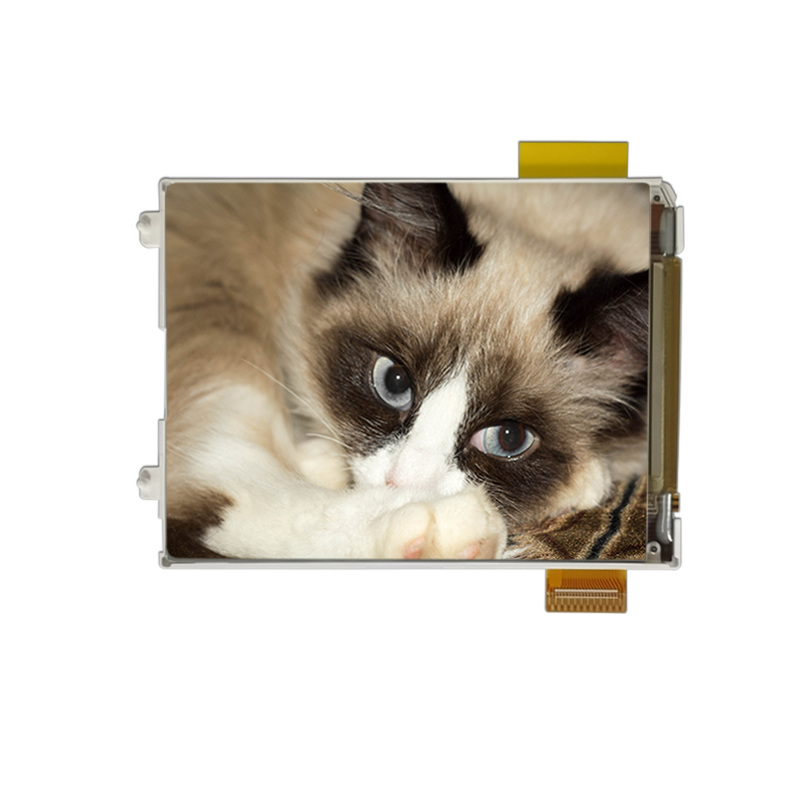
When it comes to pushing the boundaries of visual realism, advanced color gamut and HDR performance are game-changers. By expanding the color palette beyond standard sRGB, devices like this display can reproduce a wider spectrum of hues, making everything from sunset skies to vibrant digital art pop with unprecedented depth and nuance. It's not just about more colors; it's about delivering them accurately, so creative professionals and entertainment enthusiasts alike see exactly what's intended, all while reducing issues like banding or dullness.
HDR performance takes this a step further by enhancing contrast and brightness, allowing for stunning highlights and deep shadows in a single frame. With technologies like Dolby Vision or HDR10 support, this model ensures that movies and games look immersive, bringing out details in both dark scenes and bright explosions. The dynamic range isn't an afterthought—it's finely tuned to adapt in real-time, minimizing eye strain and offering a more natural viewing experience that keeps you glued to the screen.
What sets this apart is how these features work together seamlessly; instead of treating wide color and HDR as separate add-ons, they're integrated to create a cohesive visual ecosystem. Users report that this synergy makes daily tasks more enjoyable, from editing photos to streaming shows, because every pixel feels alive and responsive. It's this thoughtful combination that makes it stand out in a crowded market, proving that superior color and contrast aren't just specs but essential tools for a richer digital life.
Power-Efficient Backlighting and Energy Savings
Modern displays have made significant strides in reducing power consumption through innovations in backlighting technology. By employing advanced LED arrays and local dimming techniques, these systems can dynamically adjust brightness based on content, minimizing energy use without compromising visual quality. This approach not only cuts down on electricity bills but also extends device battery life, making it a win-win for both consumers and the environment.
One standout feature is the integration of ambient light sensors that fine-tune backlight intensity in real-time, ensuring optimal visibility while conserving resources. Unlike static systems, this adaptive method responds to changing conditions, from dim rooms to bright outdoor settings, delivering consistent performance. Such smart adjustments contribute to substantial energy savings over time, often reducing power draw by up to 30% in typical usage scenarios.
Beyond individual devices, these energy-efficient solutions have broader implications for sustainability. Lower power requirements translate to reduced heat generation and longer component lifespans, decreasing electronic waste. As more industries adopt similar technologies, the cumulative impact on global energy conservation grows, highlighting how small design tweaks can lead to meaningful environmental benefits.
High Refresh Rates for Immersive Visuals
When you're zipping through virtual worlds or engaged in a high-stakes competitive match, the difference between a standard 60Hz display and a high refresh rate panel can feel like night and day. It isn't just about numbers on a spec sheet—higher refresh rates, like 144Hz or 240Hz, mean the screen updates more rapidly, drastically reducing motion blur and making every pan and turn appear buttery smooth. This fluidity transforms how you perceive motion, pulling you deeper into the experience by creating a more lifelike and responsive connection between your actions and what you see on screen.
Beyond the obvious benefit for fast-paced gaming, these elevated refresh rates enhance everyday interactions, too. Scrolling through documents or websites becomes noticeably cleaner, with text staying sharp even during rapid navigation. In creative applications, dragging layers or previewing animations feels more immediate and precise. It's a subtle yet profound upgrade that makes the entire digital interface feel more tactile and real, bridging the gap between the static and the dynamic in a way that standard displays simply can't match.
What truly sets high refresh rate technology apart is its ability to minimize visual artifacts like tearing and stuttering, especially when paired with adaptive sync solutions. This synergy ensures that each frame is delivered exactly when it should be, preserving the integrity of motion without distracting hiccups. The result is an immersive visual canvas where every element—from the sweep of a landscape to the flicker of an explosion—unfolds with cinematic clarity, pulling your focus entirely into the content rather than the technology behind it.
Cutting-Edge Touchscreen Integration
Imagine a world where your fingertips glide seamlessly across a screen that not only responds instantly but anticipates your every move. That's the essence of cutting-edge touchscreen integration, where hardware and software blend so perfectly that the interface becomes an extension of your thoughts. Gone are the days of clunky, laggy screens; today's advancements deliver fluid, intuitive interactions that make using devices feel almost magical. From smartphones to tablets and beyond, this technology is revolutionizing how we connect with our digital environments, offering a level of precision and responsiveness that was once the stuff of science fiction.
What sets this integration apart is its adaptive nature, tailoring the user experience in real-time based on context and behavior. Whether you're sketching a masterpiece or navigating complex apps, sensors and AI-driven algorithms work in harmony to provide haptic feedback, multi-touch gestures, and enhanced durability against wear and tear. This isn't just about making screens touchable—it's about creating a dynamic, empathetic interface that learns and evolves with you, ensuring every interaction is smooth, efficient, and uniquely personal.
In practical terms, this means devices are becoming smarter and more interconnected, with touchscreens serving as gateways to a broader ecosystem of smart home controls, industrial automation, and creative tools. The integration extends beyond mere functionality to enhance accessibility and inclusivity, offering customization options for users with diverse needs. As this technology continues to mature, we can expect even more immersive experiences, blurring the lines between the physical and digital worlds and setting new standards for innovation in everyday tech.
Versatile Applications Beyond Consumer Electronics
While initially known for powering smartphones and laptops, advanced technologies like AI and IoT have rapidly extended their reach into diverse fields. In healthcare, they're revolutionizing diagnostics, enabling predictive analytics and personalized treatment plans, while in agriculture, smart sensors monitor crop health and optimize irrigation.
Beyond these sectors, applications span logistics and supply chains, where real-time tracking enhances efficiency, and environmental monitoring, aiding in climate change studies and disaster management.
This expansion underscores a shift from niche consumer use to broad societal integration, driving innovation in unexpected areas from urban planning to creative industries.
FAQ
Recent advancements include high-resolution quantum dot displays and flexible TFT panels that enable curved screens.
It enhances touchscreens by providing faster response times and improved accuracy for applications in smartphones and tablets.
Healthcare, automotive, and consumer electronics benefit, using TFTs in medical monitors, car dashboards, and smart devices.
Yes, ruggedized TFT modules are designed for industrial settings, with features like high brightness and durability.
Innovations like low-power backlighting and reflective TFTs reduce power consumption for longer battery life in portable gadgets.
They provide high refresh rates and precise color rendering essential for immersive AR experiences in gaming and training simulators.
Yes, new processes use recycled materials and reduce waste, making TFT production more sustainable.
It boosts contrast ratios and brightness, creating vibrant visuals for high-end TVs and professional monitors.
Conclusion
The TFT screen module represents a significant leap in display technology, driven by innovations in thin-film transistor architecture that enable unprecedented precision and efficiency. Revolutionary designs in this area have led to enhanced pixel control, reducing energy consumption while maintaining high performance. These advancements are complemented by breakthroughs in color gamut and HDR, allowing for richer, more vibrant visuals that bring content to life. As a result, displays now offer superior contrast and brightness, making them ideal for applications where image quality is paramount. This synergy of architectural improvements and visual enhancements has set a new standard in the industry, pushing the boundaries of what is possible in digital screens.
Beyond visual quality, TFT modules incorporate power-efficient backlighting systems that contribute to significant energy savings, aligning with global sustainability goals. High refresh rates further enhance the experience by providing smooth, immersive visuals, crucial for gaming and fast-paced media. Cutting-edge touchscreen integration adds interactivity, making these modules versatile for various uses, from consumer electronics to industrial and automotive applications. The adaptability of TFT technology extends beyond traditional devices, enabling innovative solutions in healthcare, education, and smart infrastructure. Overall, these innovations not only improve user interaction but also expand the potential of displays in diverse fields, showcasing the module's role as a cornerstone of modern technology.
Contact Us
Contact Person: Vincent
Email: [email protected]
Tel/WhatsApp: 86 135 5485 1379
Website: https://www.jda-display.com/