

Top 10 Plastic Corrugated Boxes for Durable and Reusable Shipping
2026-11-27
If your current boxes barely survive one trip, it may be time to switch to plastic corrugated boxes built for repeated shipping cycles. Not all options are equal, though—some fold under heavy loads, while others resist moisture, impacts, and rough handling without losing shape. This guide narrows the field to ten durable choices that make reusable shipping simpler and less wasteful. Among the suppliers worth checking, ShiTeng Packaging offers practical designs that balance strength with long-term value. Here are the top picks to compare before you restock.
How Many Trips Can a Plastic Corrugated Box Really Survive?
A plastic corrugated box doesn't have a single trip rating printed on the side; the real number is set by the flute thickness, edge sealing method, and how the box is handled between stops. In a closed-loop route with trained handlers, 3mm to 4mm polypropylene twin-wall boxes often hold up for 40 to 60 round trips before the corners start to lose their stiffness. The same box tossed onto a mixed freight dock with sharp conveyor turns may show cracked corners or split flute channels in as few as six to eight uses. So the survival count is less about the material alone and more about whether the box is treated as returnable equipment or disposable packaging.
Most failures happen at the folds and bottom flaps, not in the middle of the sidewall. The plastic creases each time weight shifts during transit, and repeated bending eventually turns a clean score line into a weak hinge. Boxes with die-cut creases and ultrasonic welds tend to outlast glued or taped versions because there is no adhesive seam to peel under moisture. Light scuffs and label residue don't reduce structural life, but they can make a box look retired before its time, which often shortens the usable trip count in customer-facing deliveries.
To get a realistic figure for your own route, run a small trial with five marked boxes and count only the trips where the box still protects the product without extra tape or inserts. Check the corners after every return, and pull a box when the sidewall no longer springs back flat or when the bottom sags under a standard load. A well-designed plastic corrugated box in a predictable loop can pass 30 trips without drama, while a cheaper one may need replacement after 10, so the useful answer is not a catalog number but the break-even point you can verify on your dock.
Load Ratings and Stacking Strength That Prevent Warehouse Failures
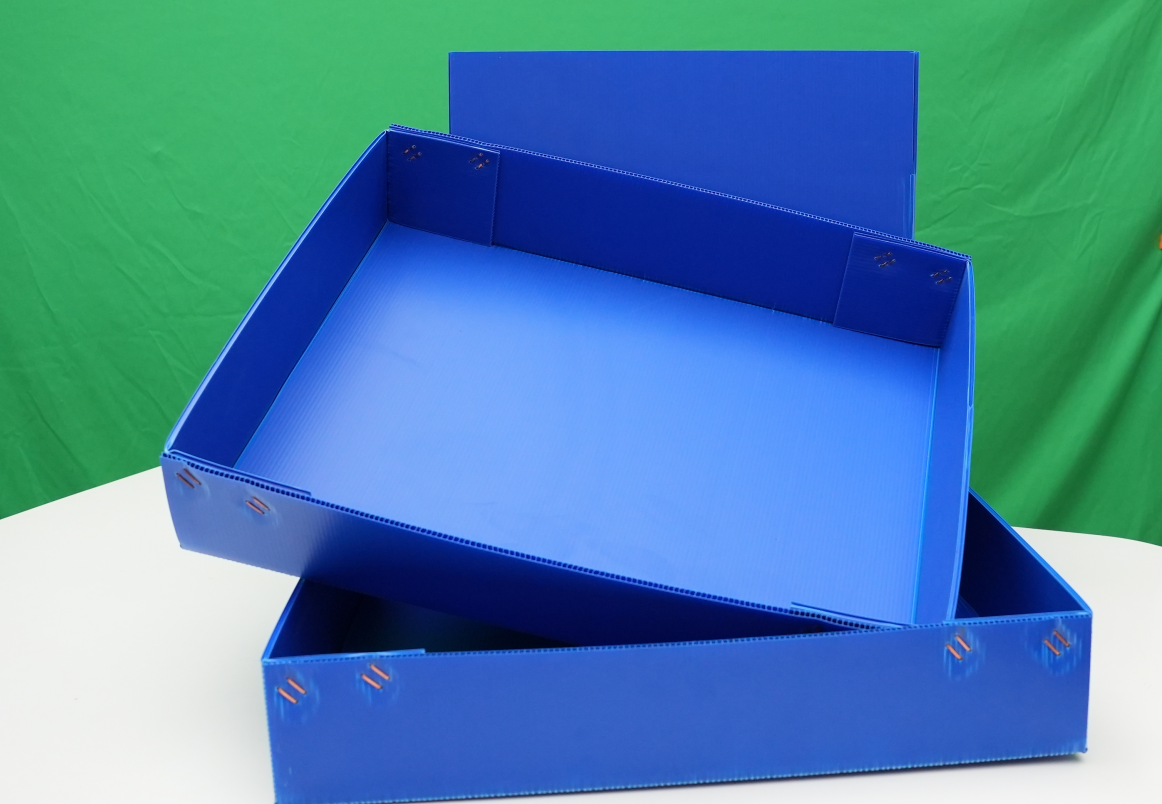
Load ratings tend to be read as a starting point, but inside an active warehouse they are closer to structural contracts. The stamped capacity on a beam or upright is not a suggestion for typical conditions; it is the boundary where elastic bending starts becoming permanent. When site teams replace a damaged section with a look-alike beam from another series, they can erase the safety margin without changing the visible appearance of the rack.
Stacking strength is easy to misjudge because failures rarely announce themselves at the top. A pallet that sits slightly off-center or a carton that overhangs the beam transfers force into the frame unevenly, and the lower levels absorb that imbalance all day. Column capacity, baseplate anchoring, and beam deflection need to be treated as one integrated calculation, especially where narrow aisles and high turnover multiply the chance of impact.
Most collapses are slow accumulations rather than sudden overloads. A bent upright gets flagged but stays in service, a seasonal spike pushes stacks closer to the roof, and floor bolts loosen under vibration. Load audits, visual inspection triggers, and placement maps with current ratings cost little compared with clearing a collapsed bay, yet they are often skipped until something buckles.
Moisture, Grease, and Rough Handling: Where These Boxes Outperform Cardboard
Cardboard starts losing its shape the moment condensation builds inside a cold truck or a damp warehouse floor soaks through the bottom flaps. These boxes shrug off that kind of exposure. They do not wick water into their walls, so a puddle underneath or a sudden rain shower at the loading dock does not turn the stack into a leaning, mushy hazard. For seafood, produce, or anything kept on ice, that difference shows up within hours instead of weeks.
Grease and oil create a similar problem for corrugated material, bleeding through and leaving a permanent stain that weakens the fibers. The surface here wipes clean without breaking down, which matters when meat, machinery parts, or prepared foods leak during transit. Rough handling is where the gap widens further. Corners stay square after being dragged across concrete, and the sides do not bow outward when a heavy box gets wedged under another pallet. They take drops, shoves, and stacking pressure without transferring that abuse to whatever is inside.
Custom Dividers and Drain Holes That Reduce Product Damage and Return Costs
Shipping damage usually comes down to two things: unwanted movement and trapped moisture. Custom dividers keep each item from drifting into its neighbor, which matters most for products with odd shapes or soft edges that a standard grid cannot protect. Instead of letting corners and surfaces absorb every bump, the container holds them in place, so the product arrives looking the way it should.
Drain holes tend to be ignored until standing water causes visible damage. When holes are positioned for the way a container actually drains, water exits quickly after washing or rain exposure. That keeps boxes, labels, and coated metal parts from sitting in moisture long enough to degrade. The combined effect is straightforward: fewer damaged items reach the customer, fewer return labels are issued, and the packaging pays for itself over repeated trips.
Cost Per Trip: Plastic Corrugated vs. Waxed and Fiberboard Options
When freight managers only look at the invoice price, waxed and fiberboard containers appear to win on paper. That picture shifts once the math is spread across actual rotations. A plastic corrugated box may carry a higher upfront charge, but the cost per trip drops quickly when the same unit survives dozens of cycles, while a waxed carton often becomes waste after one or two uses, especially in cold storage or wet environments.
Waxed options carry less visible expenses that rarely show up as a line item. Crews spend extra time breaking down and disposing of saturated board, dumpster pulls increase, and product losses from crushed or soggy walls add to the real total. Fiberboard performs fine in dry, predictable lanes, but once condensation, rough handling, or multiple handoffs enter the picture, replacement frequency climbs and the per-trip figure rises with it.
Plastic corrugated tends to reward operations that can keep assets in a closed loop. Tracking and washing add their own costs, so a poorly managed pool can erase the advantage. The comparison should be based on trips per asset, damage claims, labor at the dock, and disposal fees rather than the purchase order alone. Under those conditions, plastic often delivers a lower cost per trip after the first few rotations, though dry one-way lanes may still favor fiberboard.
Cleaning, Nesting, and Storage Habits That Keep Reusable Totes in Service
Give each tote thirty seconds at the sink after unpacking—warm water, a drop of dish soap, and a scrub along the corners where tomato juice and raw meat drips tend to settle. Shake off the excess and hang it from a cabinet knob or shower rod rather than tossing it into the pile damp, because trapped moisture turns a clean-looking bag musty long before the stains show.
For the pile itself, nest smaller totes inside larger ones with the handles folded outward so they can be pulled free without wrestling. A wire bin or a breathable canvas crate works better than a closed drawer; it keeps the stack upright and lets air move through the fabric while still hiding the visual clutter.
Rotate the order once a month and let the bags that spent the week at the bottom rest flat overnight. If a handle frays or a seam starts to gap, set that tote aside for non-food errands until it’s repaired, because a small tear near a strap becomes a dropped jar faster than most people expect.
FAQ
They handle serious weight better than many people expect. The fluted plastic core spreads impact across the panel, so a well-built box can survive drops, stacking, and rough handling without crushing the way wet cardboard does.
Cardboard breaks down after a few trips, especially in damp conditions. Plastic corrugated boxes resist moisture, resist tearing, and can be wiped down or hosed off between uses, which keeps them in rotation far longer.
Yes. They do not absorb water, so condensation, spills, and light rain won't soften the walls. Many are used in cold rooms, food handling, and outdoor shipping where regular cardboard would turn mushy.
Most are designed to fold flat when empty, similar to cardboard cartons. You pop them open for a shipment, then break them back down and stack them against a wall or on a shelf.
Check the wall thickness, corner construction, and whether the seams are welded or stitched. Handles and reinforced edges also help, but the main thing is matching the weight rating to what you actually ship.
They clean up quickly with soap and water or a mild disinfectant. Since the surface is non-porous, odors and stains don't soak in the way they do with fiberboard.
Not usually. Many models use built-in tabs, Velcro, or snap closures. If you do need to secure them, standard packing tape or straps work, but the box itself is what provides the rigidity.
Conclusion
Plastic corrugated boxes earn their place in reusable shipping because they hold up far beyond a single journey. Many units easily withstand dozens of trips, with the best designs surviving repeated drops and rough dock handling long after fiberboard would have torn or collapsed. Their fluted plastic walls resist moisture, grease, and routine washdowns, so food, automotive, and pharmaceutical operations can reuse the same totes without worrying about soggy corners or bacterial buildup. Stacking strength also matters more than most people expect, and well-built boxes distribute loads evenly to prevent crushing in high-bay warehouses. Adding custom dividers or drain holes further cuts product damage by keeping parts separated and letting liquids escape during cleaning or transit.
From a cost standpoint, the purchase price rarely tells the whole story. When you divide the initial outlay across every trip, plastic corrugated boxes often come in below waxed cardboard and fiberboard options because they avoid constant replacement and disposal fees. The savings grow when teams adopt smart habits like nesting empty totes to save floor space, wiping them down between cycles, and storing them away from direct sunlight to slow wear. Those routines extend service life and keep the containers uniform enough to stack safely. In busy warehouses where cardboard edges fray and waterproof coatings peel, switching to plastic corrugated boxes becomes less about buying containers and more about removing a recurring failure point from the supply chain.
Contact Us
Contact Person: Mr. Ge Man
Email: [email protected]
Tel/WhatsApp: 8613710506492
Website: https://www.shitengzx.com