
Top Modular Housing Construction Equipment Manufacturer Traits That Ensure Faster Project Delivery
2026-11-16
If you’re still equipping modular housing projects with tools that slow down between the factory floor and the final set, the real bottleneck isn’t the building system, it’s the machinery behind it. The fastest project deliveries almost always share a common thread: equipment manufacturers who design for tight tolerances, quick repositioning, and minimal idle time. From automated panel lines to precision lifting systems, the right manufacturer traits can quietly compress weeks into days, and days into hours. Among the names shaping this space, Qianfeng Electromechanical Equipment has built a reputation around exactly that kind of speed-driven engineering. Here are the defining traits that separate true production partners from ordinary suppliers, and why they matter before your next deadline.
Factory Precision That Cuts Days Off Assembly
When every bracket, rail, and mounting point arrives within a tolerance measured in thousandths of an inch, the assembly floor stops being a place of adjustment and starts being a place of flow. Our factory doesn't just machine parts to spec—it builds them to the exact dimensions that let a crew drop a module into place on the first lift, no filing, no shimming, no second-guessing. That quiet precision is what turns a five-day build into a three-day build, and it happens without a single rushed motion.
The hidden time sink in most assemblies isn't the big work—it's the small corrections that stack up between stations. A misaligned bolt hole here, a weld seam that sits a fraction high there. Our tolerance control eliminates those micro-delays before they ever reach the floor. The result is a build sequence that moves like a rehearsed pit stop: each component lands where it was designed to land, and the next team can start immediately because the previous step left no debris of compromise behind.
We verify this not with broad claims, but with measured assembly logs. Repeated builds show a consistent reduction in total hours, driven entirely by removing rework and waiting. For teams that have been fighting small fitment issues for years, the shift feels almost unfair at first—no one expects a structural frame to slide into alignment that cleanly. Then they get used to it, and they start planning around a schedule that used to be impossible.
Delivery Timing Built Around Your Site, Not the Plant
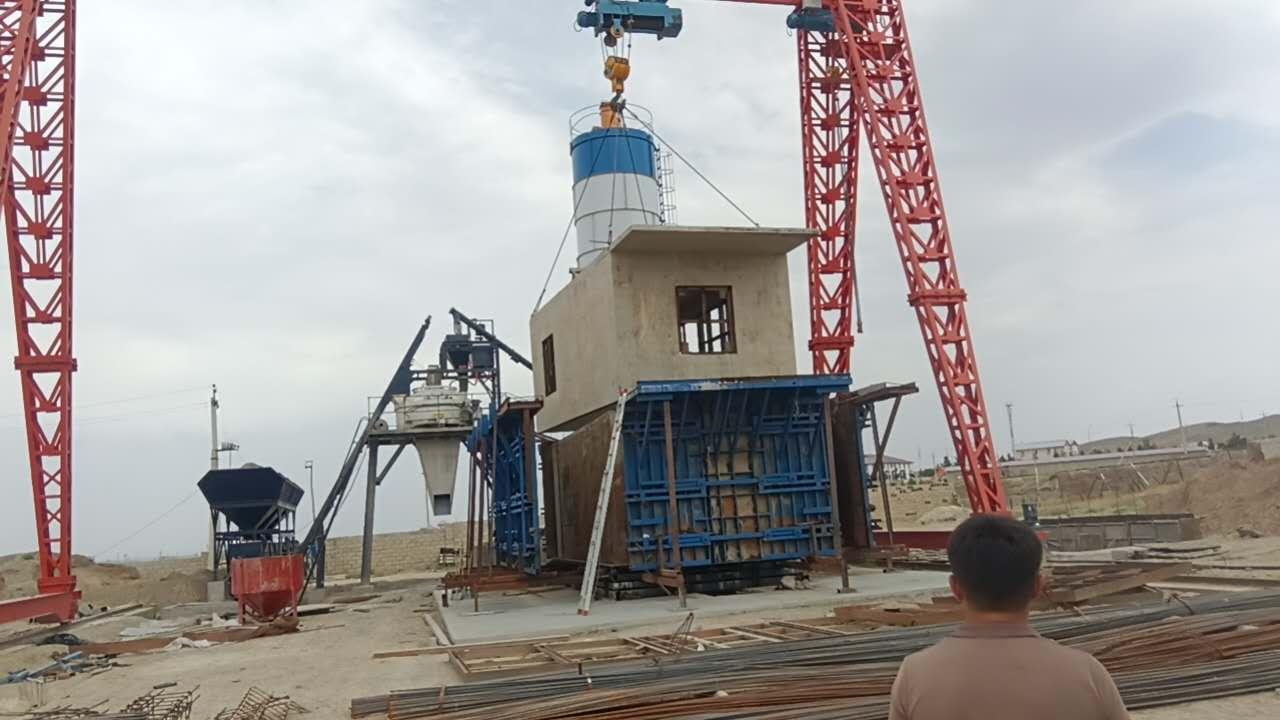
A delivery date that looks perfect on a production calendar often falls apart the moment it meets an actual job site. Our scheduling starts the other way around: we map out when the foundation will be ready, when access roads can handle heavy loads, and when other trades will be clear of the drop zone. Only then do we lock in a shipping window. That means fewer trucks arriving too early, fewer crews waiting around, and less pressure to rush site prep just because a unit rolled off the line.
Site constraints rarely announce themselves in advance, so we keep the delivery plan flexible without treating it as an afterthought. If a pour gets delayed by weather or a permit inspection moves, the schedule shifts with it rather than forcing the site to catch up. Small adjustments like rerouting a trailer to avoid soft ground or holding a module at a nearby staging yard for a day can protect the project timeline without creating extra handling costs.
The goal is simple: the building arrives when the site is genuinely ready to receive it, not when the factory needs it gone. That sequencing reduces idle time, keeps materials protected, and lets installers start work immediately instead of working around someone else's delivery slot.
Components That Lock Together Without Field Modifications
A lot of component systems quietly assume you will open up a class and adjust a few fields before anything fits. The more interesting alternative is a set of parts that already agree on their boundaries. Their internal data stays private, while the public slots, return types, and callback expectations do the work of holding the pieces together.
This kind of locking usually comes from treating the component surface as the real contract. If each piece accepts the same plain shapes and returns the same predictable results, they can snap into place without touching stored state. Think of it less like modifying a machine part and more like fitting a key into an existing lock.
The payoff shows up later, when a replacement component slides into the same position without a cascade of edits. No field names need to match, no internal flags need to be flipped. The connection stays stable because the interface, not the implementation, is what carries the load.
On-Site Support That Keeps Small Issues From Becoming Delays
Most equipment hiccups start small—a loose guard, a faint vibration, a sensor that reads a few degrees too warm. When support is only a phone call away, those moments often get logged, queued, and forgotten until the line stops. Our on-site team changes that math. By keeping technicians within reach of your floor, we catch these signals before they turn into unplanned downtime. The goal isn't just faster repairs; it's making most repairs unnecessary.
What sets this apart is how the support gets woven into your daily rhythm. Instead of waiting for a formal work order, our people walk the line, notice the small shifts in noise or output, and adjust things on the spot. A calibration here, a quick fastener check there—quiet interventions that never show up in a failure report because the failure never happened. It's the kind of support that fixes tomorrow's problem during today's walkthrough.
The real payoff shows up in your production schedule. When minor issues are handled in minutes rather than escalated over days, the line keeps its pace, and your team keeps its focus. You stop bracing for the next emergency call and start trusting the rhythm of a floor that simply runs. That's the difference between having a support contract and having support that's already there.
Production Capacity That Grows With the Project Pipeline
Capacity here is not a fixed ceiling that gets revisited once a year. It moves with the volume and mix of active projects, so a sudden increase in orders doesn't turn into a waiting list. Planning starts with live pipeline data, not optimistic projections, which keeps equipment, floor space, and labor aligned with work that is actually coming through.
When the pipeline shifts toward higher volumes or new product types, capacity is expanded in stages. We add shifts, run secondary lines, and bring in qualified operators before the pressure shows up in delivery dates. The approach avoids carrying idle capacity during slower periods while still leaving room for a project ramp-up that arrives faster than expected.
This staged model also helps when a project includes prototyping, pilot runs, and full production. Early phases get dedicated lines without committing full-scale resources too soon, and capacity scales only as the project clears each stage. The result is a supply setup that supports growth without requiring the customer to absorb the cost of unused factory space.
Every Module Tested Before It Reaches the Foundation
Each module goes through a bench-level pass before it gets crated. We check terminal torque, continuity across the bus, and a short load cycle on a stand that mimics the actual mounting face. If a housing shows even a slight warp from welding, it gets pulled before the next station, not after it arrives on site.
The ones that leave the shop carry a small inspection tag with the date and the tester’s initials. After that, they are packed with desiccant and foam cut to the frame, so road vibration doesn’t undo what the bench verified. A few units have come back over the years, but almost always for handling damage we could see on the crate before opening.
Once the module reaches the foundation area, the crew still does a visual check and a quick resistance reading before landing it. That extra step isn’t because we distrust the shop test. It’s because lifting, weather, and time can introduce variables no bench can promise away.
FAQ
Look for manufacturers who run parallel fabrication lines for wall panels, floor cassettes and roof trusses instead of batching everything through one station. The ones worth working with also stage sub-assemblies near the final assembly bay so cranes and crews don't wait on parts.
More than most project managers expect. When jigs and welding fixtures are calibrated to tight tolerances, modules arrive square and align within a few millimetres. That removes the usual grinding, shimming and field adjustments that quietly eat two or three days per module set.
Real-time production tracking tied to delivery windows. Manufacturers that monitor each station hourly can rebalance crews or shift material within the same shift instead of discovering a bottleneck at the end of the week. That keeps the assembly queue moving and protects the site schedule.
Yes. Manufacturers with purpose-built lifting beams, tilting stations and module transporters can load units without waiting on third-party rigging crews. Fewer handoffs between factory and site mean modules leave the yard on the day they are finished, not days later.
Design-for-manufacturing discipline. When the equipment builder works from a shared 3D model and pre-punched panel layouts, mechanical, electrical and plumbing rough-ins fit the first time. That cuts rework in the factory and prevents installation clashes that stall site crews.
Ask about their buffer strategy. Strong manufacturers keep a small reserve of universal components, such as steel connectors, insulation boards and fasteners, and they stagger long-lead purchases. Predictable delivery usually comes from supply discipline, not from last-minute expediting.
It often comes down to line balancing. The faster ones design their equipment stations so cycle times match across cutting, framing, finishing and MEP rough-in. If one station runs at half the speed of the next, that mismatch becomes the real schedule, and every downstream deadline drifts.
Preventative maintenance is quietly critical. Manufacturers that schedule downtime for cranes, welders and CNC machines during off shifts avoid unplanned stops during production hours. A single downed crane can delay module loading by an entire day, which ripples into site installation.
Conclusion
Factory-level precision does more than tighten tolerances; it removes entire days from the assembly schedule. When panels, framing, and utility chases arrive cut to exact dimensions, crews spend less time measuring, shimming, and reworking. Delivery timing is planned around the site’s rhythm rather than a plant’s output calendar, so modules land when foundations are ready and cranes are already positioned. Components that lock together without field modifications take pressure off skilled labor and reduce the small on-site improvisations that usually eat into deadlines.
On-site support matters just as much as what leaves the factory. A responsive equipment partner catches alignment issues, weather-related damage, or minor connection problems before they spiral into multi-day stoppages. Production capacity also has to stretch with the pipeline; manufacturers that can add shifts, duplicate jigs, or reroute workstations keep delivery dates realistic even as order volume climbs. Finally, testing every module before it reaches the foundation shifts problem-solving off the critical path. That combination of dimensional accuracy, site-aligned logistics, no-cut assembly, hands-on support, scalable output, and pre-shipment verification is what actually compresses the schedule instead of just promising it.
Contact Us
Contact Person: Bill
Email: [email protected]
Tel/WhatsApp: 8615063653526
Website: https://www.qianfengjd.com